

88
H. K. Palo
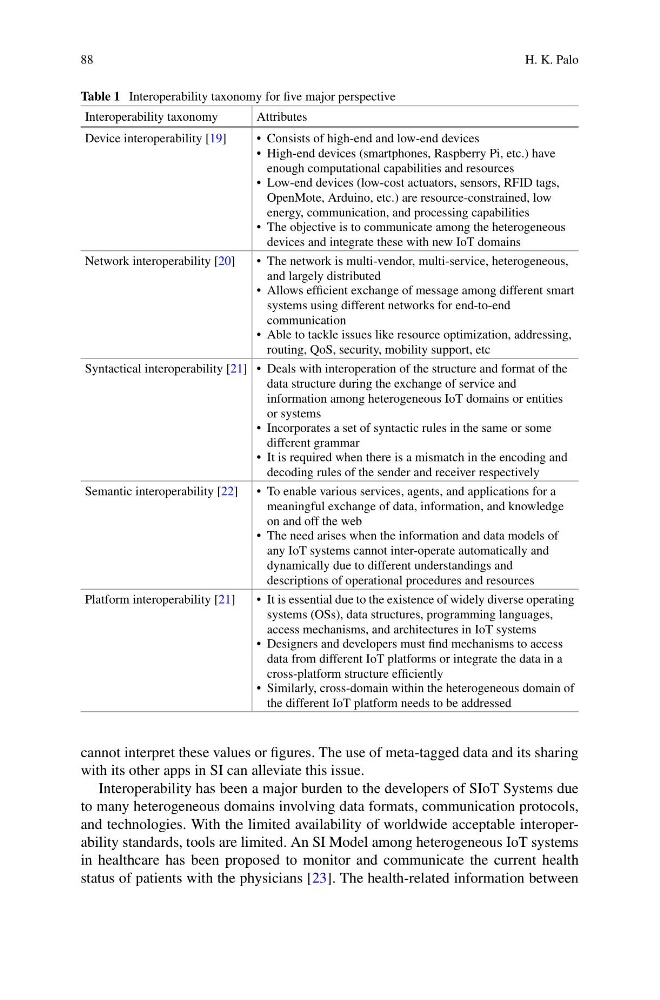
Table 1 Interoperability taxonomy for five major perspective
Interoperability taxonomy
Attributes
Device interoperability [19]
• Consists of high-end and low-end devices
• High-end devices (smartphones, Raspberry Pi, etc.) have
enough computational capabilities and resources
• Low-end devices (low-cost actuators, sensors, RFID tags,
OpenMote, Arduino, etc.) are resource-constrained, low
energy, communication, and processing capabilities
• The objective is to communicate among the heterogeneous
devices and integrate these with new IoT domains
Network interoperability [20]
• The network is multi-vendor, multi-service, heterogeneous,
and largely distributed
• Allows efficient exchange of message among different smart
systems using different networks for end-to-end
communication
• Able to tackle issues like resource optimization, addressing,
routing, QoS, security, mobility support, etc
Syntactical interoperability [21] • Deals with interoperation of the structure and format of the
data structure during the exchange of service and
information among heterogeneous IoT domains or entities
or systems
• Incorporates a set of syntactic rules in the same or some
different grammar
• It is required when there is a mismatch in the encoding and
decoding rules of the sender and receiver respectively
Semantic interoperability [22] • To enable various services, agents, and applications for a
meaningful exchange of data, information, and knowledge
on and off the web
• The need arises when the information and data models of
any IoT systems cannot inter-operate automatically and
dynamically due to different understandings and
descriptions of operational procedures and resources
Platform interoperability [21]
• It is essential due to the existence of widely diverse operating
systems (OSs), data structures, programming languages,
access mechanisms, and architectures in IoT systems
• Designers and developers must find mechanisms to access
data from different IoT platforms or integrate the data in a
cross-platform structure efficiently
• Similarly, cross-domain within the heterogeneous domain of
the different IoT platform needs to be addressed
cannot interpret these values or figures. The use of meta-tagged data and its sharing
with its other apps in SI can alleviate this issue.
Interoperability has been a major burden to the developers of SIoT Systems due
to many heterogeneous domains involving data formats, communication protocols,
and technologies. With the limited availability of worldwide acceptable interoperability standards, tools are limited. An SI Model among heterogeneous IoT systems
in healthcare has been proposed to monitor and communicate the current health
status of patients with the physicians [23]. The health-related information between
H. K. Palo
Table 1 Interoperability taxonomy for five major perspective
Interoperability taxonomy
Attributes
Device interoperability [19]
• Consists of high-end and low-end devices
• High-end devices (smartphones, Raspberry Pi, etc.) have
enough computational capabilities and resources
• Low-end devices (low-cost actuators, sensors, RFID tags,
OpenMote, Arduino, etc.) are resource-constrained, low
energy, communication, and processing capabilities
• The objective is to communicate among the heterogeneous
devices and integrate these with new IoT domains
Network interoperability [20]
• The network is multi-vendor, multi-service, heterogeneous,
and largely distributed
• Allows efficient exchange of message among different smart
systems using different networks for end-to-end
communication
• Able to tackle issues like resource optimization, addressing,
routing, QoS, security, mobility support, etc
Syntactical interoperability [21] • Deals with interoperation of the structure and format of the
data structure during the exchange of service and
information among heterogeneous IoT domains or entities
or systems
• Incorporates a set of syntactic rules in the same or some
different grammar
• It is required when there is a mismatch in the encoding and
decoding rules of the sender and receiver respectively
Semantic interoperability [22] • To enable various services, agents, and applications for a
meaningful exchange of data, information, and knowledge
on and off the web
• The need arises when the information and data models of
any IoT systems cannot inter-operate automatically and
dynamically due to different understandings and
descriptions of operational procedures and resources
Platform interoperability [21]
• It is essential due to the existence of widely diverse operating
systems (OSs), data structures, programming languages,
access mechanisms, and architectures in IoT systems
• Designers and developers must find mechanisms to access
data from different IoT platforms or integrate the data in a
cross-platform structure efficiently
• Similarly, cross-domain within the heterogeneous domain of
the different IoT platform needs to be addressed
cannot interpret these values or figures. The use of meta-tagged data and its sharing
with its other apps in SI can alleviate this issue.
Interoperability has been a major burden to the developers of SIoT Systems due
to many heterogeneous domains involving data formats, communication protocols,
and technologies. With the limited availability of worldwide acceptable interoperability standards, tools are limited. An SI Model among heterogeneous IoT systems
in healthcare has been proposed to monitor and communicate the current health
status of patients with the physicians [23]. The health-related information between