

14.6 Bioaccumulation of Dioxins/Furans
Human exposure to both dioxin and furan compounds is mainly through the food
chain. The dairy products and aquatic seafood are the major sources of
bioaccumulated products that happen to intrude the food chain of humans. The
hydrophobic nature of dioxins and furans facilitates to form small particulate matter
in both aquatic and other water resources. Dioxins and furans released as unintentional by-products that have an immediate effect on land and water thereby affect the
ecosystem and human health.
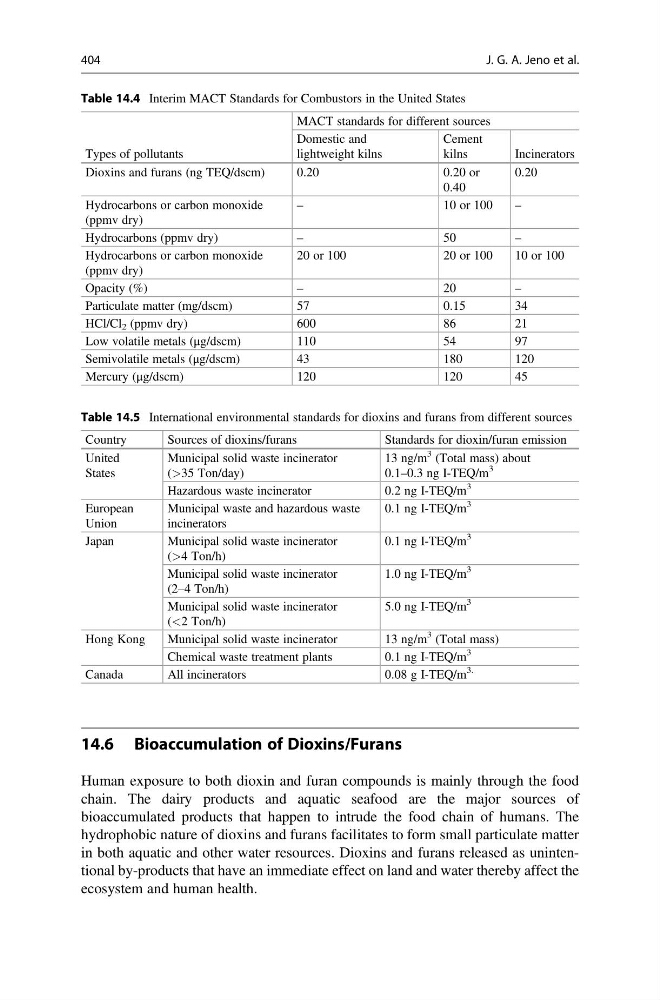
Table 14.4 Interim MACT Standards for Combustors in the United States
Types of pollutants
MACT standards for different sources
Domestic and
lightweight kilns
Cement
kilns
Incinerators
Dioxins and furans (ng TEQ/dscm)
0.20
0.20 or
0.40
0.20
Hydrocarbons or carbon monoxide
(ppmv dry)
–
10 or 100
–
Hydrocarbons (ppmv dry)
–
50
–
Hydrocarbons or carbon monoxide
(ppmv dry)
20 or 100
20 or 100
10 or 100
Opacity (%)
–
20
–
Particulate matter (mg/dscm)
57
0.15
34
HCl/Cl 2 (ppmv dry)
600
86
21
Low volatile metals (μg/dscm)
110
54
97
Semivolatile metals (μg/dscm)
43
180
120
Mercury (μg/dscm)
120
120
45
Table 14.5 International environmental standards for dioxins and furans from different sources
Country
Sources of dioxins/furans
Standards for dioxin/furan emission
United
States
Municipal solid waste incinerator
(>35 Ton/day)
13 ng/m
3 (Total mass) about
0.1–0.3 ng I-TEQ/m
3
Hazardous waste incinerator
0.2 ng I-TEQ/m
3
European
Union
Municipal waste and hazardous waste
incinerators
0.1 ng I-TEQ/m
3
Japan
Municipal solid waste incinerator
(>4 Ton/h)
0.1 ng I-TEQ/m
3
Municipal solid waste incinerator
(2–4 Ton/h)
1.0 ng I-TEQ/m
3
Municipal solid waste incinerator
(<2 Ton/h)
5.0 ng I-TEQ/m
3
Hong Kong
Municipal solid waste incinerator
13 ng/m
3 (Total mass)
Chemical waste treatment plants
0.1 ng I-TEQ/m
3
Canada
All incinerators
0.08 g I-TEQ/m
3.
404
J. G. A. Jeno et al.
Human exposure to both dioxin and furan compounds is mainly through the food
chain. The dairy products and aquatic seafood are the major sources of
bioaccumulated products that happen to intrude the food chain of humans. The
hydrophobic nature of dioxins and furans facilitates to form small particulate matter
in both aquatic and other water resources. Dioxins and furans released as unintentional by-products that have an immediate effect on land and water thereby affect the
ecosystem and human health.
Table 14.4 Interim MACT Standards for Combustors in the United States
Types of pollutants
MACT standards for different sources
Domestic and
lightweight kilns
Cement
kilns
Incinerators
Dioxins and furans (ng TEQ/dscm)
0.20
0.20 or
0.40
0.20
Hydrocarbons or carbon monoxide
(ppmv dry)
–
10 or 100
–
Hydrocarbons (ppmv dry)
–
50
–
Hydrocarbons or carbon monoxide
(ppmv dry)
20 or 100
20 or 100
10 or 100
Opacity (%)
–
20
–
Particulate matter (mg/dscm)
57
0.15
34
HCl/Cl 2 (ppmv dry)
600
86
21
Low volatile metals (μg/dscm)
110
54
97
Semivolatile metals (μg/dscm)
43
180
120
Mercury (μg/dscm)
120
120
45
Table 14.5 International environmental standards for dioxins and furans from different sources
Country
Sources of dioxins/furans
Standards for dioxin/furan emission
United
States
Municipal solid waste incinerator
(>35 Ton/day)
13 ng/m
3 (Total mass) about
0.1–0.3 ng I-TEQ/m
3
Hazardous waste incinerator
0.2 ng I-TEQ/m
3
European
Union
Municipal waste and hazardous waste
incinerators
0.1 ng I-TEQ/m
3
Japan
Municipal solid waste incinerator
(>4 Ton/h)
0.1 ng I-TEQ/m
3
Municipal solid waste incinerator
(2–4 Ton/h)
1.0 ng I-TEQ/m
3
Municipal solid waste incinerator
(<2 Ton/h)
5.0 ng I-TEQ/m
3
Hong Kong
Municipal solid waste incinerator
13 ng/m
3 (Total mass)
Chemical waste treatment plants
0.1 ng I-TEQ/m
3
Canada
All incinerators
0.08 g I-TEQ/m
3.
404
J. G. A. Jeno et al.