

Due to the industrial interest of chromium, D. alaskensis is employed for
hexavalent chromium and sulfate reduction. Chromium is reduced by hydrogen
sulfide produced by the sulfate reduction in independent reactors; this alternative
process was studied in the electrochemical treatment of Cr(VI) from wastewater
(Peña-Caballero et al. 2016), as shown in Fig. 13.10.
Culture medium +
18mg/L C(VI)
BSR + 18 mg/L
Cr(VI)
BSR
Control
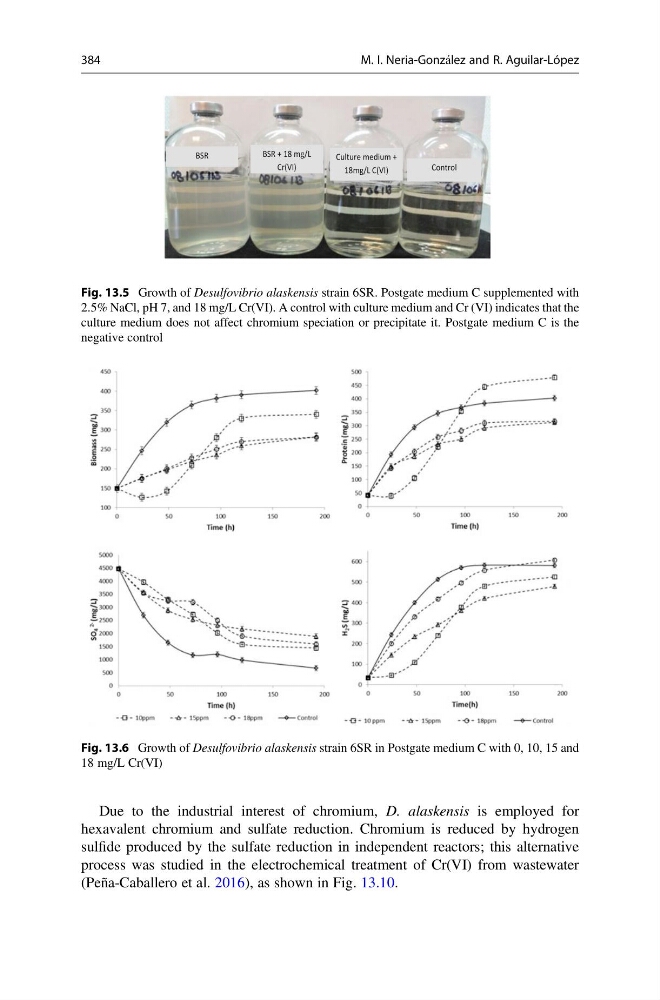
Fig. 13.5 Growth of Desulfovibrio alaskensis strain 6SR. Postgate medium C supplemented with
2.5% NaCl, pH 7, and 18 mg/L Cr(VI). A control with culture medium and Cr (VI) indicates that the
culture medium does not affect chromium speciation or precipitate it. Postgate medium C is the
negative control
Fig. 13.6 Growth of Desulfovibrio alaskensis strain 6SR in Postgate medium C with 0, 10, 15 and
18 mg/L Cr(VI)
384
M. I. Neria-González and R. Aguilar-López
hexavalent chromium and sulfate reduction. Chromium is reduced by hydrogen
sulfide produced by the sulfate reduction in independent reactors; this alternative
process was studied in the electrochemical treatment of Cr(VI) from wastewater
(Peña-Caballero et al. 2016), as shown in Fig. 13.10.
Culture medium +
18mg/L C(VI)
BSR + 18 mg/L
Cr(VI)
BSR
Control
Fig. 13.5 Growth of Desulfovibrio alaskensis strain 6SR. Postgate medium C supplemented with
2.5% NaCl, pH 7, and 18 mg/L Cr(VI). A control with culture medium and Cr (VI) indicates that the
culture medium does not affect chromium speciation or precipitate it. Postgate medium C is the
negative control
Fig. 13.6 Growth of Desulfovibrio alaskensis strain 6SR in Postgate medium C with 0, 10, 15 and
18 mg/L Cr(VI)
384
M. I. Neria-González and R. Aguilar-López