

(Phragmites australis) and the second stage is a polyculture planted with Typha
domingensis, Schoenoplectus littoralis and Cyperus laevigatus. In total, more than
17,000 plant stems were initially planted in both wetland beds.
Finally, the ACW effluent is collected with gravity in a downstream pumping
station, equipped with two pumps (one working, one standby). The pumps push the
treated effluent through a UV unit of 30 m
3 /h capacity, placed in a 20 ft container
with control temperature, for final disinfection. The final disinfected effluent is filling
and stored in a treated effluent tank with a retention time of 1 day. The water stored
in the effluent tank is further pumped and reused for irrigation of green spaces in the
adjacent settlement.
7.3
Results and Discussion
This novel constructed wetland facility has one of the lowest area requirements
(1.6 m
2 /PE) for this high effluent quality and demonstrates the current advances in
wetland technology. Such designs enable the implementation of wetland systems
even in areas with limited available land (e.g. peri-urban areas).
Table 7.1 presents the results of the first operational months, while Figs. 7.5 and
7.6 show the variations of influent and effluent values for the various parameters
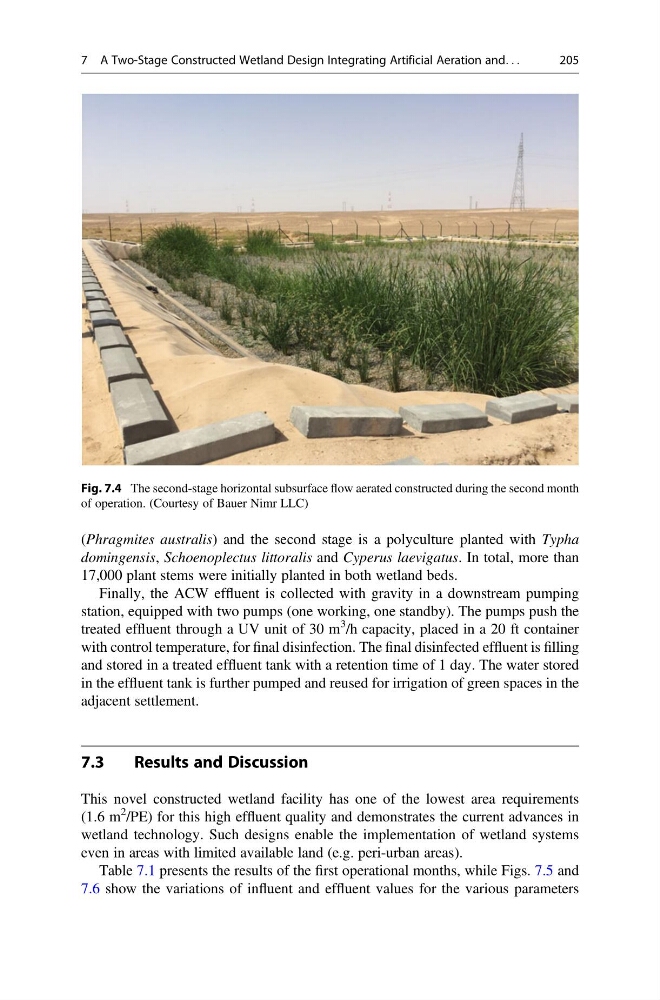
Fig. 7.4 The second-stage horizontal subsurface flow aerated constructed during the second month
of operation. (Courtesy of Bauer Nimr LLC)
7 A Two-Stage Constructed Wetland Design Integrating Artificial Aeration and. . .
205
domingensis, Schoenoplectus littoralis and Cyperus laevigatus. In total, more than
17,000 plant stems were initially planted in both wetland beds.
Finally, the ACW effluent is collected with gravity in a downstream pumping
station, equipped with two pumps (one working, one standby). The pumps push the
treated effluent through a UV unit of 30 m
3 /h capacity, placed in a 20 ft container
with control temperature, for final disinfection. The final disinfected effluent is filling
and stored in a treated effluent tank with a retention time of 1 day. The water stored
in the effluent tank is further pumped and reused for irrigation of green spaces in the
adjacent settlement.
7.3
Results and Discussion
This novel constructed wetland facility has one of the lowest area requirements
(1.6 m
2 /PE) for this high effluent quality and demonstrates the current advances in
wetland technology. Such designs enable the implementation of wetland systems
even in areas with limited available land (e.g. peri-urban areas).
Table 7.1 presents the results of the first operational months, while Figs. 7.5 and
7.6 show the variations of influent and effluent values for the various parameters
Fig. 7.4 The second-stage horizontal subsurface flow aerated constructed during the second month
of operation. (Courtesy of Bauer Nimr LLC)
7 A Two-Stage Constructed Wetland Design Integrating Artificial Aeration and. . .
205