

Living organisms and animals may ingest plastics like active feeding or through
the foods containing plastic. Macroplastics are harmful for large animals like turtles
as they eat the plastic bags and sheets which later block their intestinal track. The
animals may be entangled and unable to free themselves. The slow degradation of
plastic may be helpful in the surgical implantation of different tools in the bones of
rat and bone marrow, coated with radioactive material, which have resulted in less
problem after 8–12 months, and 25% losses over 2 years of life span (Waring et al.
2018). Plastic wastes have direct impact on the fishing and tourism industries (Mee
et al. 2007). The unused nets from fishing industries have become plastic wastes
which are floating on the water source, and later colonized by the marine organisms and other alien species (Barnes 2005; Brown and Macfadyen 2007; David et al.
1985; Gregory 2009; Moore 2008). The ingestion of plastic wastes by the sea birds
may eventually cause the extinction of the species (Thompson et al. 2009).
2.3.2 Effects on Marine Life
Different water samples taken from different sources show that the distribution of
plastics may also depend upon the area where there are air and water currents even in
the absence of wastewater disposal system nearby (Hidalgo-Ruz et al. 2012; Van
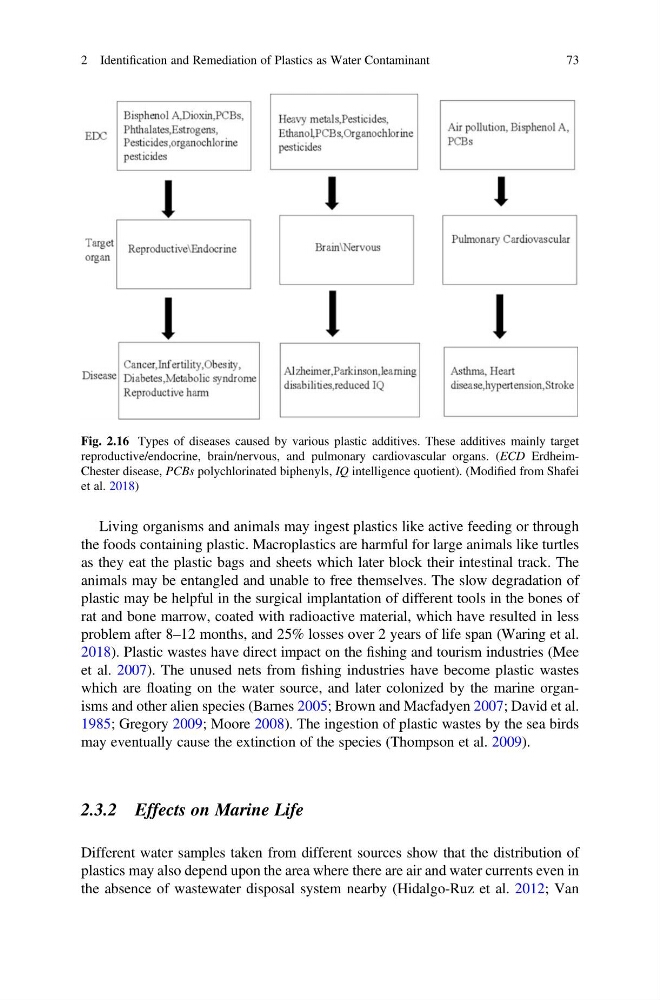
Fig. 2.16 Types of diseases caused by various plastic additives. These additives mainly target
reproductive/endocrine, brain/nervous, and pulmonary cardiovascular organs. (ECD ErdheimChester disease, PCBs polychlorinated biphenyls, IQ intelligence quotient). (Modified from Shafei
et al. 2018)
2 Identification and Remediation of Plastics as Water Contaminant
73
the foods containing plastic. Macroplastics are harmful for large animals like turtles
as they eat the plastic bags and sheets which later block their intestinal track. The
animals may be entangled and unable to free themselves. The slow degradation of
plastic may be helpful in the surgical implantation of different tools in the bones of
rat and bone marrow, coated with radioactive material, which have resulted in less
problem after 8–12 months, and 25% losses over 2 years of life span (Waring et al.
2018). Plastic wastes have direct impact on the fishing and tourism industries (Mee
et al. 2007). The unused nets from fishing industries have become plastic wastes
which are floating on the water source, and later colonized by the marine organisms and other alien species (Barnes 2005; Brown and Macfadyen 2007; David et al.
1985; Gregory 2009; Moore 2008). The ingestion of plastic wastes by the sea birds
may eventually cause the extinction of the species (Thompson et al. 2009).
2.3.2 Effects on Marine Life
Different water samples taken from different sources show that the distribution of
plastics may also depend upon the area where there are air and water currents even in
the absence of wastewater disposal system nearby (Hidalgo-Ruz et al. 2012; Van
Fig. 2.16 Types of diseases caused by various plastic additives. These additives mainly target
reproductive/endocrine, brain/nervous, and pulmonary cardiovascular organs. (ECD ErdheimChester disease, PCBs polychlorinated biphenyls, IQ intelligence quotient). (Modified from Shafei
et al. 2018)
2 Identification and Remediation of Plastics as Water Contaminant
73