

2.3 The Impacts of Plastic Ingestions
2.3.1 Effects on Human, Wildlife, and the Environment
Many chemicals from which plastics are synthesized, are toxic, and have negative
effects on human health. The drinking water bottles are commonly made of polyethylene terephthalate, and these may have the chemicals leached out and mixed with
the water (Schymanski et al. 2018). The high-density polyethylene used in the
Visual sorting by microscopy
Apparent non-biological material
Chemical characterization by FTIR
Spectra searched against commercial library
Spectra interpretation and interrogation
Spectra searched against in-house library
Visual comparison of physical characteristics
Chemical type assignment
Natural material
Anthropogenic plastic material
Biological
material
Measurement
and photograph
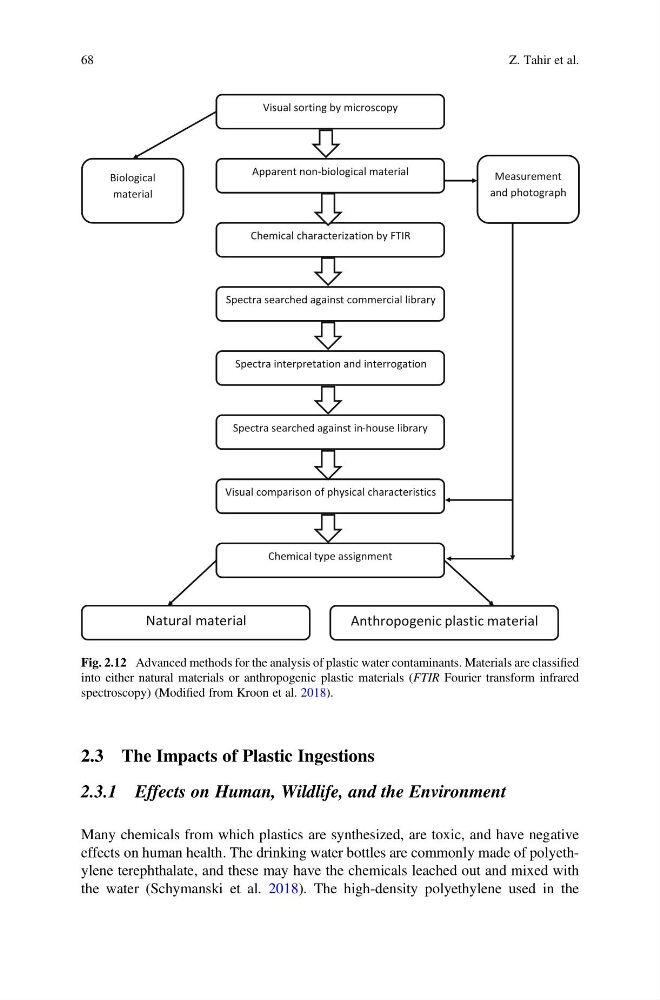
Fig. 2.12 Advanced methods for the analysis of plastic water contaminants. Materials are classified
into either natural materials or anthropogenic plastic materials (FTIR Fourier transform infrared
spectroscopy) (Modified from Kroon et al. 2018).
68
Z. Tahir et al.
2.3.1 Effects on Human, Wildlife, and the Environment
Many chemicals from which plastics are synthesized, are toxic, and have negative
effects on human health. The drinking water bottles are commonly made of polyethylene terephthalate, and these may have the chemicals leached out and mixed with
the water (Schymanski et al. 2018). The high-density polyethylene used in the
Visual sorting by microscopy
Apparent non-biological material
Chemical characterization by FTIR
Spectra searched against commercial library
Spectra interpretation and interrogation
Spectra searched against in-house library
Visual comparison of physical characteristics
Chemical type assignment
Natural material
Anthropogenic plastic material
Biological
material
Measurement
and photograph
Fig. 2.12 Advanced methods for the analysis of plastic water contaminants. Materials are classified
into either natural materials or anthropogenic plastic materials (FTIR Fourier transform infrared
spectroscopy) (Modified from Kroon et al. 2018).
68
Z. Tahir et al.