

residues have been identified in various water bodies (Daughton and Ternes 1999;
Heberer 2002a, 2002b; Boxall et al. 2004). Some reports show that these pharmaceutical residues percolate down the soil and even enter the ground water stream,
making it unfit for drinking purpose (Heberer 2002a, 2002b).
The herbicide is the other class of organic pollutant, which pollutes the ground
water by the release of herbicides from soil surface and further transport through the
vadose zone to the aquifer by rain water. These pollutants enter the water cycle due
to various agricultural practices adopted for obtaining better yield in crops. The
pollutants are carried to various surface water resources by rain water, and their
concentration in surface water found to vary depending on the season (Bodur and
Bakırdere 2019). The common herbicides found in water bodies are atrazine,
terbutylazine, and simazine as well as their metabolites. In recent years, the usage
of herbicides has gone down, as there is a strong link found between herbicide usage
and their occurrence in surface water.
The major industrial source of organic pollutants that enter water cycle is dyes
and detergents. Organic synthetic dyes having wide applications in industries, such
as textile, paper, pharmaceutical, food, and cosmetic industries, contribute to a large
extent for the entry these chemicals in the water cycle (Zheng et al. 1999).
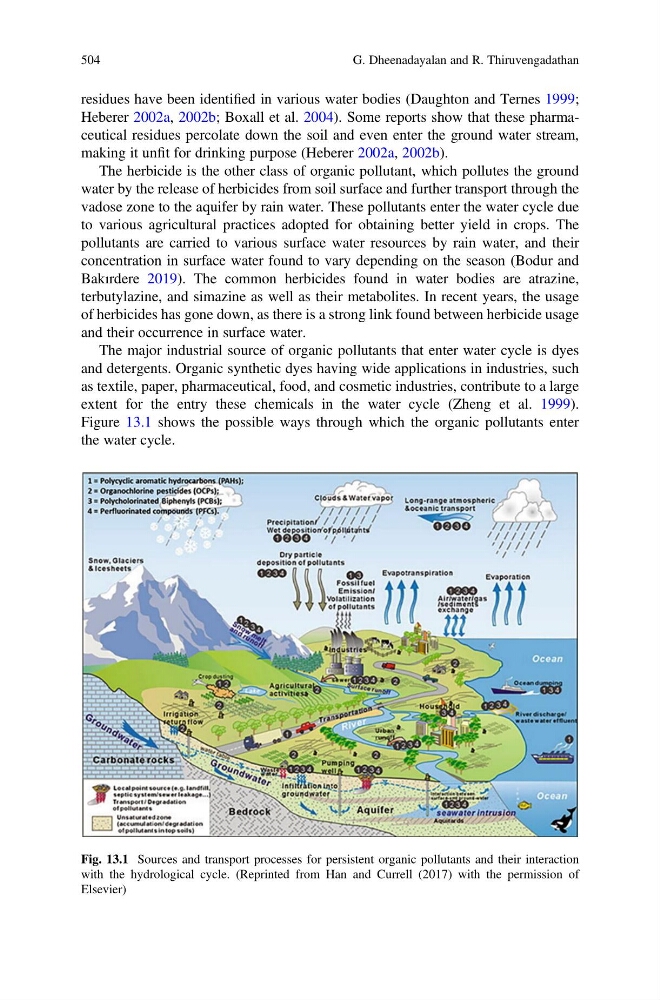
Figure 13.1 shows the possible ways through which the organic pollutants enter
the water cycle.
Fig. 13.1 Sources and transport processes for persistent organic pollutants and their interaction
with the hydrological cycle. (Reprinted from Han and Currell (2017) with the permission of
Elsevier)
504
G. Dheenadayalan and R. Thiruvengadathan
Heberer 2002a, 2002b; Boxall et al. 2004). Some reports show that these pharmaceutical residues percolate down the soil and even enter the ground water stream,
making it unfit for drinking purpose (Heberer 2002a, 2002b).
The herbicide is the other class of organic pollutant, which pollutes the ground
water by the release of herbicides from soil surface and further transport through the
vadose zone to the aquifer by rain water. These pollutants enter the water cycle due
to various agricultural practices adopted for obtaining better yield in crops. The
pollutants are carried to various surface water resources by rain water, and their
concentration in surface water found to vary depending on the season (Bodur and
Bakırdere 2019). The common herbicides found in water bodies are atrazine,
terbutylazine, and simazine as well as their metabolites. In recent years, the usage
of herbicides has gone down, as there is a strong link found between herbicide usage
and their occurrence in surface water.
The major industrial source of organic pollutants that enter water cycle is dyes
and detergents. Organic synthetic dyes having wide applications in industries, such
as textile, paper, pharmaceutical, food, and cosmetic industries, contribute to a large
extent for the entry these chemicals in the water cycle (Zheng et al. 1999).
Figure 13.1 shows the possible ways through which the organic pollutants enter
the water cycle.
Fig. 13.1 Sources and transport processes for persistent organic pollutants and their interaction
with the hydrological cycle. (Reprinted from Han and Currell (2017) with the permission of
Elsevier)
504
G. Dheenadayalan and R. Thiruvengadathan