

A. Polyethylene terephthalate – It is a recyclable plastic and marked by 1, soda
bottles, comb, water bottles, rope, bean bags, etc., are made up of polyethylene
terephthalate.
B. High density polyethylene – It is also recyclable and marked as 2. Most of the
shampoo bottles, grocery bags, trash bags, toys, etc., are fabricated by highdensity polyethylene material.
C. Polyvinyl chloride – Polyvinyl chloride is a chlorinated plastic. It can release
toxic chemicals into nearby soil. It can leach into groundwater or other nearest
water bodies and affect the ecosystem. Chlorinated water causes serious threat to
the species, which drink such chlorinated water. Landfill areas have many kinds
of plastics.
D. Low-density polyethylene – Frozen food bag, flexible container lid, cling rap,
etc., are made up of low-density polyethylene. We can recycle it but need proper
recycling route. We cannot recycle so many times and after repeated recycling at
a stage, it will lose its properties. Its products are marked as “4.”
E. Polypropylene – Polypropylene was discovered by J. Paul Hogan and Robert
L. Banks of Phillips Petroleum Company in 1951 during conversion of propylene into gasoline; surprisingly, they prepared plastics. Only a very small portion
of polypropylene is recycled. Its products are marked as “5.”
F. Polystyrene – It is the most lightweight and simplest to make plastic materials. It
can break very easily, making environment more harmful. All beaches are filled
with small pieces of polystyrene, which put marine animals in danger. Examples
include disposal coffee cups, glasses, plastic food packets, etc.
G. Others – Rest includes all other plastics: polylactide, polycarbonate, acrylonitrile
butadiene, acrylic, nylon, styrene, and fiberglass. Medical storage containers,
baby bottles, eyeglasses, etc., are included in it.
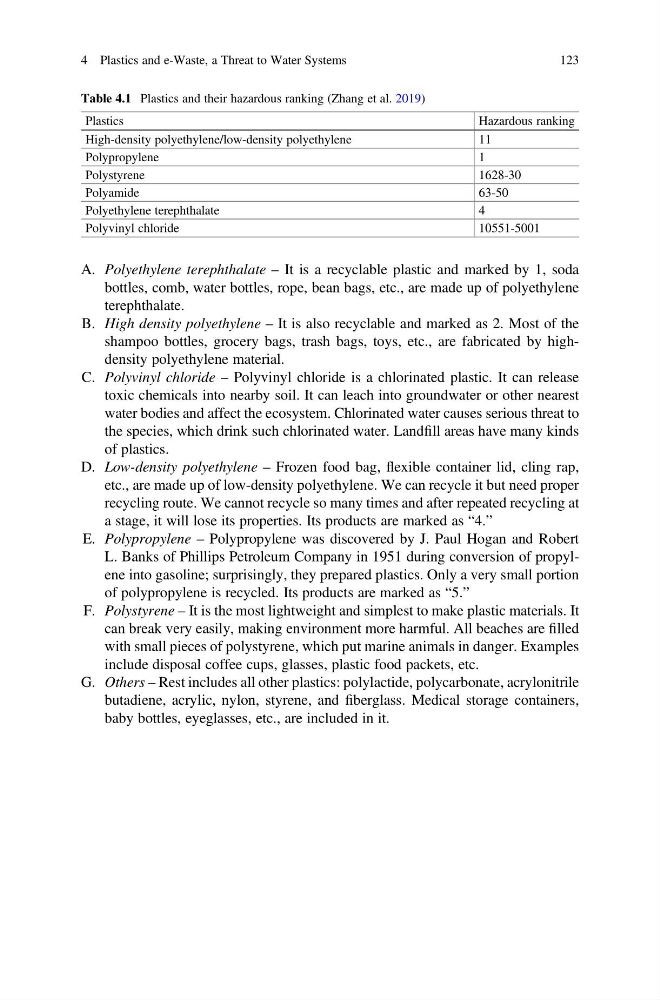
Table 4.1 Plastics and their hazardous ranking (Zhang et al. 2019)
Plastics
Hazardous ranking
High-density polyethylene/low-density polyethylene
11
Polypropylene
1
Polystyrene
1628-30
Polyamide
63-50
Polyethylene terephthalate
4
Polyvinyl chloride
10551-5001
4 Plastics and e-Waste, a Threat to Water Systems
123
bottles, comb, water bottles, rope, bean bags, etc., are made up of polyethylene
terephthalate.
B. High density polyethylene – It is also recyclable and marked as 2. Most of the
shampoo bottles, grocery bags, trash bags, toys, etc., are fabricated by highdensity polyethylene material.
C. Polyvinyl chloride – Polyvinyl chloride is a chlorinated plastic. It can release
toxic chemicals into nearby soil. It can leach into groundwater or other nearest
water bodies and affect the ecosystem. Chlorinated water causes serious threat to
the species, which drink such chlorinated water. Landfill areas have many kinds
of plastics.
D. Low-density polyethylene – Frozen food bag, flexible container lid, cling rap,
etc., are made up of low-density polyethylene. We can recycle it but need proper
recycling route. We cannot recycle so many times and after repeated recycling at
a stage, it will lose its properties. Its products are marked as “4.”
E. Polypropylene – Polypropylene was discovered by J. Paul Hogan and Robert
L. Banks of Phillips Petroleum Company in 1951 during conversion of propylene into gasoline; surprisingly, they prepared plastics. Only a very small portion
of polypropylene is recycled. Its products are marked as “5.”
F. Polystyrene – It is the most lightweight and simplest to make plastic materials. It
can break very easily, making environment more harmful. All beaches are filled
with small pieces of polystyrene, which put marine animals in danger. Examples
include disposal coffee cups, glasses, plastic food packets, etc.
G. Others – Rest includes all other plastics: polylactide, polycarbonate, acrylonitrile
butadiene, acrylic, nylon, styrene, and fiberglass. Medical storage containers,
baby bottles, eyeglasses, etc., are included in it.
Table 4.1 Plastics and their hazardous ranking (Zhang et al. 2019)
Plastics
Hazardous ranking
High-density polyethylene/low-density polyethylene
11
Polypropylene
1
Polystyrene
1628-30
Polyamide
63-50
Polyethylene terephthalate
4
Polyvinyl chloride
10551-5001
4 Plastics and e-Waste, a Threat to Water Systems
123