

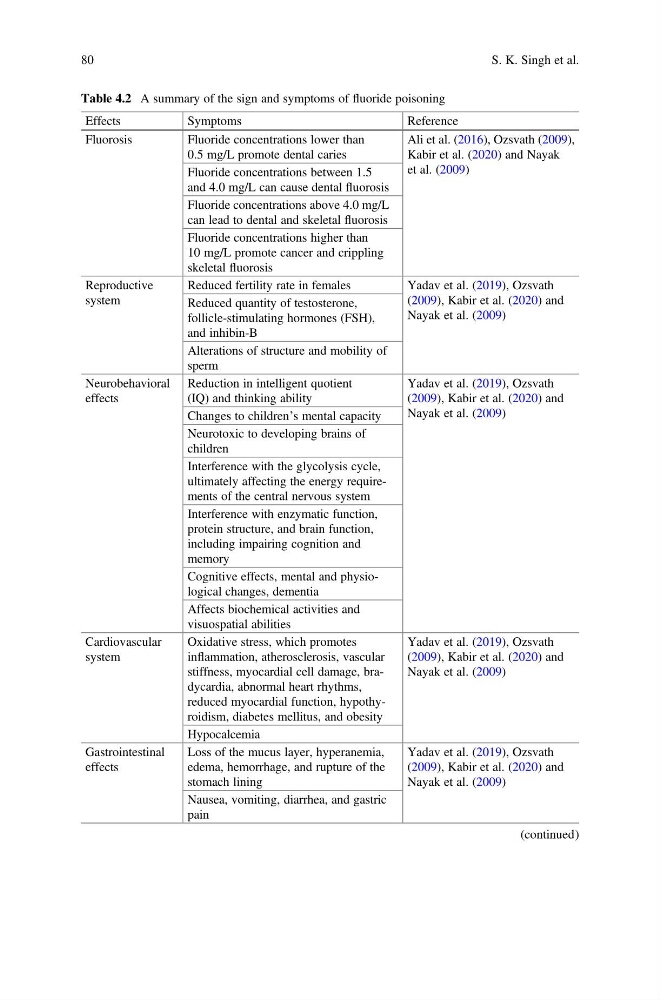
Table 4.2 A summary of the sign and symptoms of fluoride poisoning
Effects
Symptoms
Reference
Fluorosis
Fluoride concentrations lower than
0.5 mg/L promote dental caries
Ali et al. (2016), Ozsvath (2009),
Kabir et al. (2020) and Nayak
et al. (2009)
Fluoride concentrations between 1.5
and 4.0 mg/L can cause dental fluorosis
Fluoride concentrations above 4.0 mg/L
can lead to dental and skeletal fluorosis
Fluoride concentrations higher than
10 mg/L promote cancer and crippling
skeletal fluorosis
Reproductive
system
Reduced fertility rate in females
Yadav et al. (2019), Ozsvath
(2009), Kabir et al. (2020) and
Nayak et al. (2009)
Reduced quantity of testosterone,
follicle-stimulating hormones (FSH),
and inhibin-B
Alterations of structure and mobility of
sperm
Neurobehavioral
effects
Reduction in intelligent quotient
(IQ) and thinking ability
Yadav et al. (2019), Ozsvath
(2009), Kabir et al. (2020) and
Nayak et al. (2009)
Changes to children’s mental capacity
Neurotoxic to developing brains of
children
Interference with the glycolysis cycle,
ultimately affecting the energy requirements of the central nervous system
Interference with enzymatic function,
protein structure, and brain function,
including impairing cognition and
memory
Cognitive effects, mental and physiological changes, dementia
Affects biochemical activities and
visuospatial abilities
Cardiovascular
system
Oxidative stress, which promotes
inflammation, atherosclerosis, vascular
stiffness, myocardial cell damage, bradycardia, abnormal heart rhythms,
reduced myocardial function, hypothyroidism, diabetes mellitus, and obesity
Yadav et al. (2019), Ozsvath
(2009), Kabir et al. (2020) and
Nayak et al. (2009)
Hypocalcemia
Gastrointestinal
effects
Loss of the mucus layer, hyperanemia,
edema, hemorrhage, and rupture of the
stomach lining
Yadav et al. (2019), Ozsvath
(2009), Kabir et al. (2020) and
Nayak et al. (2009)
Nausea, vomiting, diarrhea, and gastric
pain
(continued)
80
S. K. Singh et al.
Effects
Symptoms
Reference
Fluorosis
Fluoride concentrations lower than
0.5 mg/L promote dental caries
Ali et al. (2016), Ozsvath (2009),
Kabir et al. (2020) and Nayak
et al. (2009)
Fluoride concentrations between 1.5
and 4.0 mg/L can cause dental fluorosis
Fluoride concentrations above 4.0 mg/L
can lead to dental and skeletal fluorosis
Fluoride concentrations higher than
10 mg/L promote cancer and crippling
skeletal fluorosis
Reproductive
system
Reduced fertility rate in females
Yadav et al. (2019), Ozsvath
(2009), Kabir et al. (2020) and
Nayak et al. (2009)
Reduced quantity of testosterone,
follicle-stimulating hormones (FSH),
and inhibin-B
Alterations of structure and mobility of
sperm
Neurobehavioral
effects
Reduction in intelligent quotient
(IQ) and thinking ability
Yadav et al. (2019), Ozsvath
(2009), Kabir et al. (2020) and
Nayak et al. (2009)
Changes to children’s mental capacity
Neurotoxic to developing brains of
children
Interference with the glycolysis cycle,
ultimately affecting the energy requirements of the central nervous system
Interference with enzymatic function,
protein structure, and brain function,
including impairing cognition and
memory
Cognitive effects, mental and physiological changes, dementia
Affects biochemical activities and
visuospatial abilities
Cardiovascular
system
Oxidative stress, which promotes
inflammation, atherosclerosis, vascular
stiffness, myocardial cell damage, bradycardia, abnormal heart rhythms,
reduced myocardial function, hypothyroidism, diabetes mellitus, and obesity
Yadav et al. (2019), Ozsvath
(2009), Kabir et al. (2020) and
Nayak et al. (2009)
Hypocalcemia
Gastrointestinal
effects
Loss of the mucus layer, hyperanemia,
edema, hemorrhage, and rupture of the
stomach lining
Yadav et al. (2019), Ozsvath
(2009), Kabir et al. (2020) and
Nayak et al. (2009)
Nausea, vomiting, diarrhea, and gastric
pain
(continued)
80
S. K. Singh et al.