

and power techniques (CHP) play an important role as a source of energy, which use
its own energy in the form of heat and electricity. Waste materials released from the
treatment plant can be used for generation of biogas and energy using CHP
techniques.
With the above context, the present chapter is concerned with the different
aspects of wastewater reuse both at national and international level. The chapter
further gives comprehensive accounts on the impact of wastewater irrigation on soil
and groundwater quality which adversely affect food chain. Moreover, this chapter
also proposes several control measures for wastewater treatment and management
strategies to minimize the human health risks associated with the reuse of
wastewater.
6.2 Current Scenario of Wastewater Reuse
Treatment of wastewater and its reuse is not a new concept. Several decades ago,
untreated domestic wastewater was applied in agriculture but as time passes different
technologies evolved and treatment of wastewater becomes possible. Present knowledge of wastewater treatment continued up to twentieth century in the USA,
Australia, Europe, and other parts of the world without taking serious public health
Accumulation
of different
pollutants in
wastewater
irrigated soil
Heavy metals, emerging
contaminants and other
toxicants in soil
Groundwater
contamination due to
percolation of
toxicants
Complexations of heavy
metals in soil
Root exudates and
microbial population
affect heavy metal
availability
Food chain
contamination
Plant growth
inhibition
Translocation of
heavy metals from
root to aerial part
Wastewater source
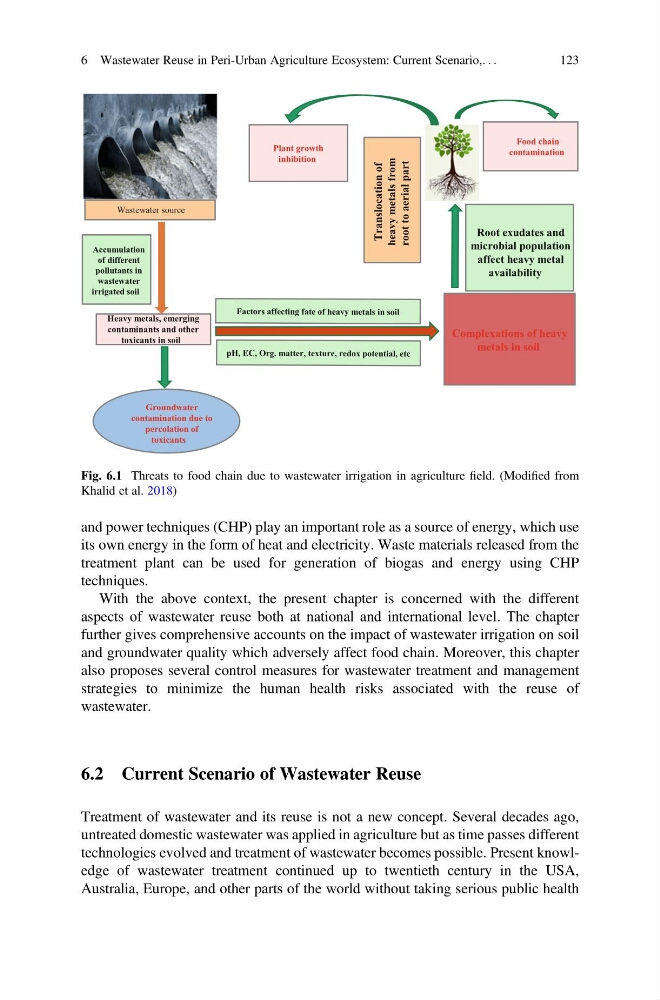
Fig. 6.1 Threats to food chain due to wastewater irrigation in agriculture field. (Modified from
Khalid et al. 2018)
6 Wastewater Reuse in Peri-Urban Agriculture Ecosystem: Current Scenario,. . .
123
its own energy in the form of heat and electricity. Waste materials released from the
treatment plant can be used for generation of biogas and energy using CHP
techniques.
With the above context, the present chapter is concerned with the different
aspects of wastewater reuse both at national and international level. The chapter
further gives comprehensive accounts on the impact of wastewater irrigation on soil
and groundwater quality which adversely affect food chain. Moreover, this chapter
also proposes several control measures for wastewater treatment and management
strategies to minimize the human health risks associated with the reuse of
wastewater.
6.2 Current Scenario of Wastewater Reuse
Treatment of wastewater and its reuse is not a new concept. Several decades ago,
untreated domestic wastewater was applied in agriculture but as time passes different
technologies evolved and treatment of wastewater becomes possible. Present knowledge of wastewater treatment continued up to twentieth century in the USA,
Australia, Europe, and other parts of the world without taking serious public health
Accumulation
of different
pollutants in
wastewater
irrigated soil
Heavy metals, emerging
contaminants and other
toxicants in soil
Groundwater
contamination due to
percolation of
toxicants
Complexations of heavy
metals in soil
Root exudates and
microbial population
affect heavy metal
availability
Food chain
contamination
Plant growth
inhibition
Translocation of
heavy metals from
root to aerial part
Wastewater source
Fig. 6.1 Threats to food chain due to wastewater irrigation in agriculture field. (Modified from
Khalid et al. 2018)
6 Wastewater Reuse in Peri-Urban Agriculture Ecosystem: Current Scenario,. . .
123