

87
State Environmental Protection Agency (US EPA) estimate that most of the diseases
occur due to prolonged exposure to environmental pollution.
4.2 Methods for Quantification/Identification of Pollutants
in Environment
High performance liquid chromatograph (HPLC) connected with ultraviolet/fluorescence detector, gas chromatography coupled with mass spectrometer (GC-MS),
electron capture detector, and flame ionization detector with various means of
detection and different types of spectroscopy (atomic absorption and atomic emission spectroscopy) are commonly used analytical techniques for detection of environmental pollutants (APHA 2005). The chromatographic techniques required
tedious purification to reach detection limits of the analytes present in the
environment.
Various research articles have highlighted the importance of sample preparation
and detection limit of pollutant (Demeestere et al. 2007; Bellan et al. 2011; Petrovica
et al. 2010; Martin et al. 2004; Poothong et al. 2013). Most of these analytical techniques are quite complex with extraction steps either through solid or liquid phase
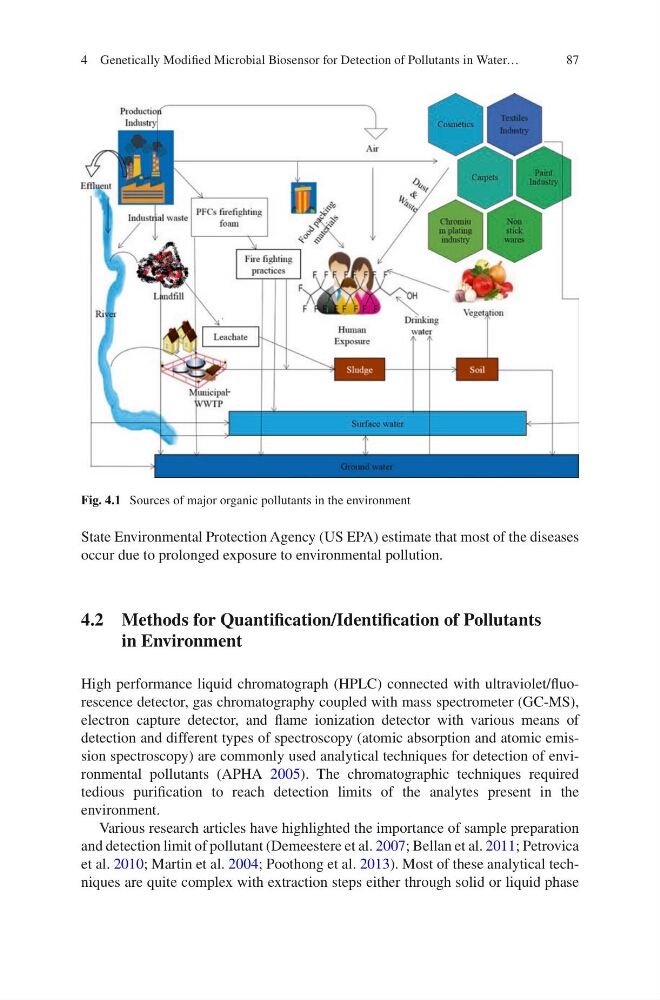
Fig. 4.1 Sources of major organic pollutants in the environment
4 Genetically Modified Microbial Biosensor for Detection of Pollutants in Water…
State Environmental Protection Agency (US EPA) estimate that most of the diseases
occur due to prolonged exposure to environmental pollution.
4.2 Methods for Quantification/Identification of Pollutants
in Environment
High performance liquid chromatograph (HPLC) connected with ultraviolet/fluorescence detector, gas chromatography coupled with mass spectrometer (GC-MS),
electron capture detector, and flame ionization detector with various means of
detection and different types of spectroscopy (atomic absorption and atomic emission spectroscopy) are commonly used analytical techniques for detection of environmental pollutants (APHA 2005). The chromatographic techniques required
tedious purification to reach detection limits of the analytes present in the
environment.
Various research articles have highlighted the importance of sample preparation
and detection limit of pollutant (Demeestere et al. 2007; Bellan et al. 2011; Petrovica
et al. 2010; Martin et al. 2004; Poothong et al. 2013). Most of these analytical techniques are quite complex with extraction steps either through solid or liquid phase
Fig. 4.1 Sources of major organic pollutants in the environment
4 Genetically Modified Microbial Biosensor for Detection of Pollutants in Water…