

production, some of them are used as raw materials in these processes (Amoozegar
et al. 2019). Microorganisms that are resistant to harsh conditions such as high
acidic/alkaline pH, low/high temperatures, and high salt concentrations that can be
encountered in biofuel production stages can be used in biomass degradation and
biofuel synthesis stages (Woolard and Irvine 1995).
In nature, there are abundant biological resources that can be converted into
biofuels and can be an alternative to fossil fuels. Thanks to the use of biofuel
types obtained with the use of these organic biomass resources, the rapidly depleting
fossil fuel resources will be conserved, and environmental and air pollution will be
significantly reduced (Das et al. 2015).
Biofuels produced worldwide are bioalcohols (bioethanol and biobutanol), biodiesel, and biogas. A wide variety of raw materials are used in biofuel production
processes, and the fuels obtained are classified according to the type of raw materials. These raw materials include agricultural harvesting wastes, urban wastes,
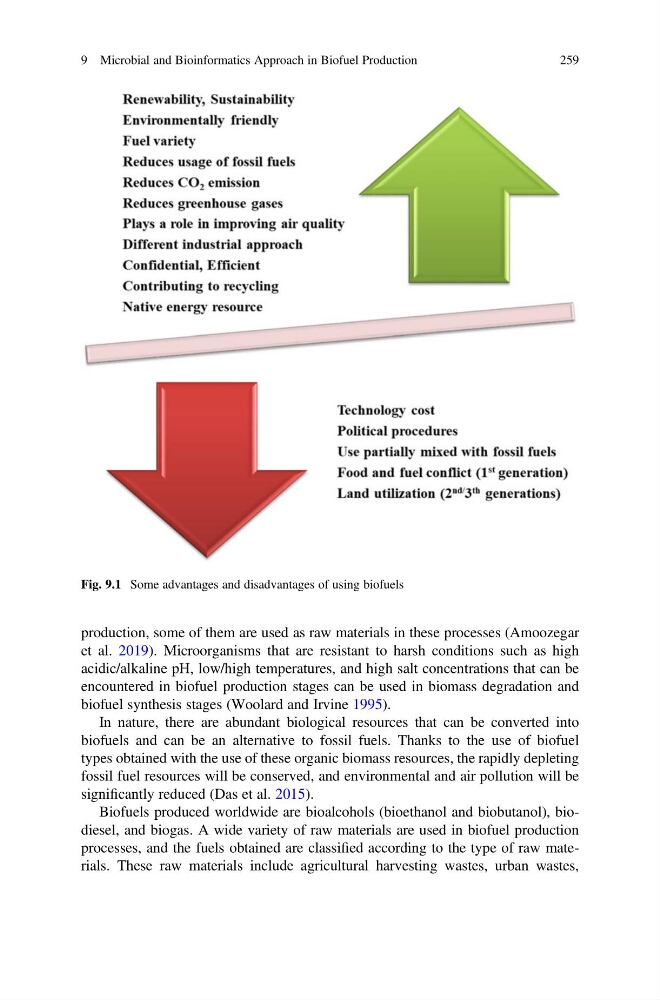
Fig. 9.1 Some advantages and disadvantages of using biofuels
9 Microbial and Bioinformatics Approach in Biofuel Production
259
et al. 2019). Microorganisms that are resistant to harsh conditions such as high
acidic/alkaline pH, low/high temperatures, and high salt concentrations that can be
encountered in biofuel production stages can be used in biomass degradation and
biofuel synthesis stages (Woolard and Irvine 1995).
In nature, there are abundant biological resources that can be converted into
biofuels and can be an alternative to fossil fuels. Thanks to the use of biofuel
types obtained with the use of these organic biomass resources, the rapidly depleting
fossil fuel resources will be conserved, and environmental and air pollution will be
significantly reduced (Das et al. 2015).
Biofuels produced worldwide are bioalcohols (bioethanol and biobutanol), biodiesel, and biogas. A wide variety of raw materials are used in biofuel production
processes, and the fuels obtained are classified according to the type of raw materials. These raw materials include agricultural harvesting wastes, urban wastes,
Fig. 9.1 Some advantages and disadvantages of using biofuels
9 Microbial and Bioinformatics Approach in Biofuel Production
259