

1.2.1 Downstream Processing of Biofuels
The isolation of ethanol from a mixture of water and ethanol is problematic as of the
presence of an azeotrope in the mixture. The two old-style methods of separation of
high-purity ethanol are: extractive distillation and azeotropic distillation; other three
developing methods are: distillation through salt, distillation of pressure swing, and
lastly pervaporation. In the distillation stage, ethanol will be isolated and clears the
head of the column from the other constituents as an azeotropic blend. This is an
extremely energy-intensive processing phase and involves using internal heat
smartly. The ethanol-water mixture is subsequently dehydrated to 99.5 wt. %
which is one of the main aims by pressure swing adsorption (PSA). The residue
collected at the bottom of the distillation column is considered a stillage. This is a
mixture of soil, lignin, and other organic materials which are not used during the SSF
cycle. This stillage then needs to undergo a division of solid-liquids, and then it is
separated into solids that are insoluble in nature and a portion of the liquid. After a
drying stage at the cogeneration plant, the solids, which mainly contain lignin, are
used for process steam and power generation (Lassmann et al. 2014). The key
downside is the amount of tremendous energy required for providing heat to
vaporize liquid and condense the vapor back into liquid next to the condenser
(Plessas et al. 2007).
Currently, integrated fermentation/separation coupling systems had already
gained extensive attention; it has been shown to be used adequately to recover
bioethanol from the feed stream as it is formed and to restrict end-product inhibition
to boost overall performance levels. Various separation methods have been developed in this context to be integrated with the fermentation process such as
pervaporation, adsorption, gas stripping, vacuum fermentation, and solvent
extraction.
1.2.1.1 Pervaporation
Among the numerous membrane approaches, the most effective separation technology commonly used to isolate azeotropic mixtures, mixtures of organic into organic,
solutions, and recover dissolved organics from aqueous solutions is pervaporation
(Zentou et al. 2019). It is quick, extremely selective and low toxicity to fermenting
microorganisms in contrast to conventional techniques employed (Wei et al. 2014).
Other membranes made of cellulose acetate and polydimethylphenyleneoxide had
selective water permeation, whereas the prospect of removing alcohol from aqueous
solution by PV using silicone membranes was demonstrated by Kimura and Nomura
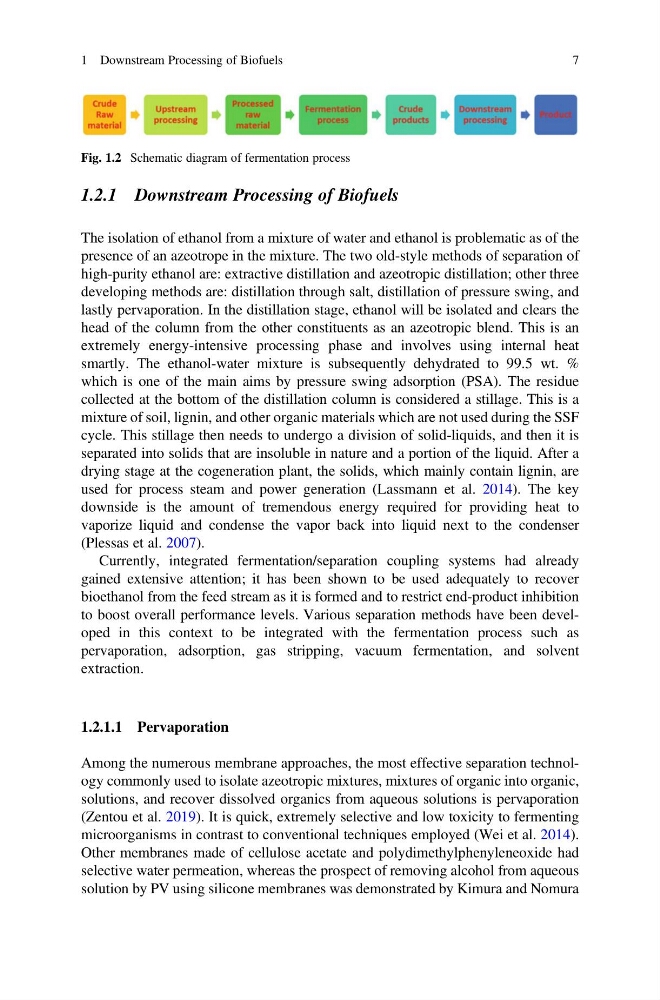
Fig. 1.2 Schematic diagram of fermentation process
1 Downstream Processing of Biofuels
7
The isolation of ethanol from a mixture of water and ethanol is problematic as of the
presence of an azeotrope in the mixture. The two old-style methods of separation of
high-purity ethanol are: extractive distillation and azeotropic distillation; other three
developing methods are: distillation through salt, distillation of pressure swing, and
lastly pervaporation. In the distillation stage, ethanol will be isolated and clears the
head of the column from the other constituents as an azeotropic blend. This is an
extremely energy-intensive processing phase and involves using internal heat
smartly. The ethanol-water mixture is subsequently dehydrated to 99.5 wt. %
which is one of the main aims by pressure swing adsorption (PSA). The residue
collected at the bottom of the distillation column is considered a stillage. This is a
mixture of soil, lignin, and other organic materials which are not used during the SSF
cycle. This stillage then needs to undergo a division of solid-liquids, and then it is
separated into solids that are insoluble in nature and a portion of the liquid. After a
drying stage at the cogeneration plant, the solids, which mainly contain lignin, are
used for process steam and power generation (Lassmann et al. 2014). The key
downside is the amount of tremendous energy required for providing heat to
vaporize liquid and condense the vapor back into liquid next to the condenser
(Plessas et al. 2007).
Currently, integrated fermentation/separation coupling systems had already
gained extensive attention; it has been shown to be used adequately to recover
bioethanol from the feed stream as it is formed and to restrict end-product inhibition
to boost overall performance levels. Various separation methods have been developed in this context to be integrated with the fermentation process such as
pervaporation, adsorption, gas stripping, vacuum fermentation, and solvent
extraction.
1.2.1.1 Pervaporation
Among the numerous membrane approaches, the most effective separation technology commonly used to isolate azeotropic mixtures, mixtures of organic into organic,
solutions, and recover dissolved organics from aqueous solutions is pervaporation
(Zentou et al. 2019). It is quick, extremely selective and low toxicity to fermenting
microorganisms in contrast to conventional techniques employed (Wei et al. 2014).
Other membranes made of cellulose acetate and polydimethylphenyleneoxide had
selective water permeation, whereas the prospect of removing alcohol from aqueous
solution by PV using silicone membranes was demonstrated by Kimura and Nomura
Fig. 1.2 Schematic diagram of fermentation process
1 Downstream Processing of Biofuels
7