

14 For Kin, God and Other Beings: Mixtures of Conservation …
279
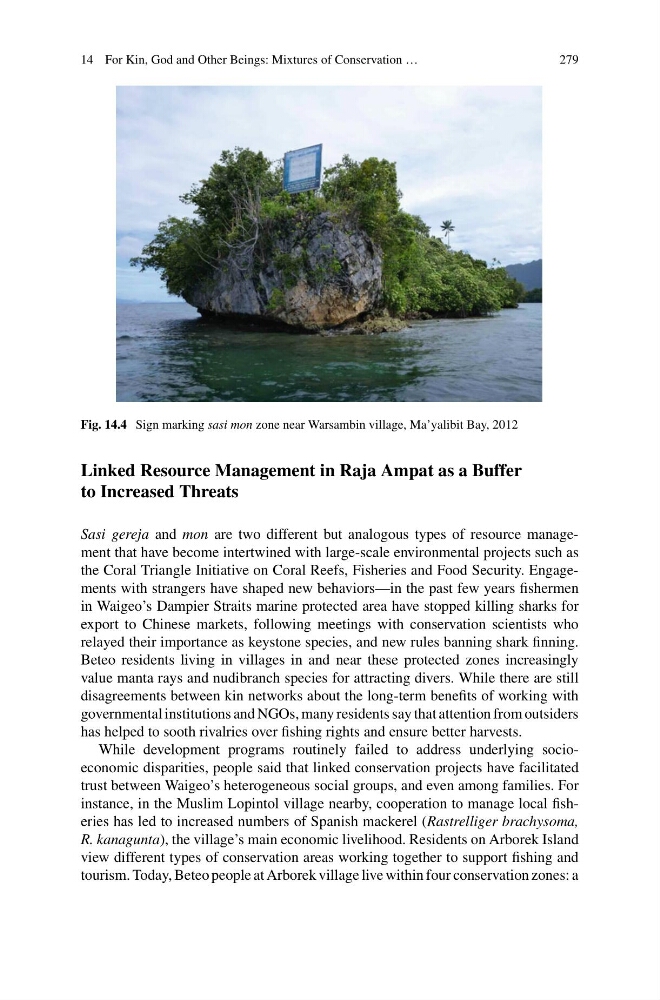
Fig. 14.4 Sign marking sasi mon zone near Warsambin village, Ma’yalibit Bay, 2012
Linked Resource Management in Raja Ampat as a Buffer
to Increased Threats
Sasi gereja and mon are two different but analogous types of resource management that have become intertwined with large-scale environmental projects such as
the Coral Triangle Initiative on Coral Reefs, Fisheries and Food Security. Engagements with strangers have shaped new behaviors—in the past few years fishermen
in Waigeo’s Dampier Straits marine protected area have stopped killing sharks for
export to Chinese markets, following meetings with conservation scientists who
relayed their importance as keystone species, and new rules banning shark finning.
Beteo residents living in villages in and near these protected zones increasingly
value manta rays and nudibranch species for attracting divers. While there are still
disagreements between kin networks about the long-term benefits of working with
governmental institutions and NGOs, many residents say that attention from outsiders
has helped to sooth rivalries over fishing rights and ensure better harvests.
While development programs routinely failed to address underlying socioeconomic disparities, people said that linked conservation projects have facilitated
trust between Waigeo’s heterogeneous social groups, and even among families. For
instance, in the Muslim Lopintol village nearby, cooperation to manage local fisheries has led to increased numbers of Spanish mackerel (Rastrelliger brachysoma,
R. kanagunta), the village’s main economic livelihood. Residents on Arborek Island
view different types of conservation areas working together to support fishing and
tourism. Today, Beteo people at Arborek village live within four conservation zones: a
279
Fig. 14.4 Sign marking sasi mon zone near Warsambin village, Ma’yalibit Bay, 2012
Linked Resource Management in Raja Ampat as a Buffer
to Increased Threats
Sasi gereja and mon are two different but analogous types of resource management that have become intertwined with large-scale environmental projects such as
the Coral Triangle Initiative on Coral Reefs, Fisheries and Food Security. Engagements with strangers have shaped new behaviors—in the past few years fishermen
in Waigeo’s Dampier Straits marine protected area have stopped killing sharks for
export to Chinese markets, following meetings with conservation scientists who
relayed their importance as keystone species, and new rules banning shark finning.
Beteo residents living in villages in and near these protected zones increasingly
value manta rays and nudibranch species for attracting divers. While there are still
disagreements between kin networks about the long-term benefits of working with
governmental institutions and NGOs, many residents say that attention from outsiders
has helped to sooth rivalries over fishing rights and ensure better harvests.
While development programs routinely failed to address underlying socioeconomic disparities, people said that linked conservation projects have facilitated
trust between Waigeo’s heterogeneous social groups, and even among families. For
instance, in the Muslim Lopintol village nearby, cooperation to manage local fisheries has led to increased numbers of Spanish mackerel (Rastrelliger brachysoma,
R. kanagunta), the village’s main economic livelihood. Residents on Arborek Island
view different types of conservation areas working together to support fishing and
tourism. Today, Beteo people at Arborek village live within four conservation zones: a