

Beneficial Microbes as Novel Microbial Cell …
325
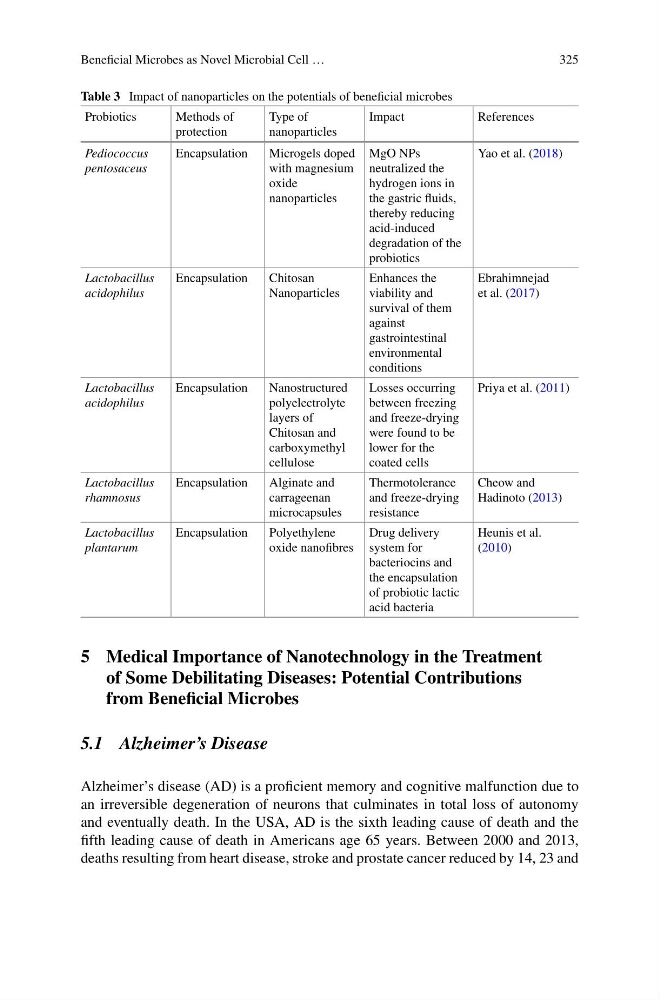
Table 3 Impact of nanoparticles on the potentials of beneficial microbes
Probiotics
Methods of
protection
Type of
nanoparticles
Impact
References
Pediococcus
pentosaceus
Encapsulation
Microgels doped
with magnesium
oxide
nanoparticles
MgO NPs
neutralized the
hydrogen ions in
the gastric fluids,
thereby reducing
acid-induced
degradation of the
probiotics
Yao et al. (2018)
Lactobacillus
acidophilus
Encapsulation
Chitosan
Nanoparticles
Enhances the
viability and
survival of them
against
gastrointestinal
environmental
conditions
Ebrahimnejad
et al. (2017)
Lactobacillus
acidophilus
Encapsulation
Nanostructured
polyelectrolyte
layers of
Chitosan and
carboxymethyl
cellulose
Losses occurring
between freezing
and freeze-drying
were found to be
lower for the
coated cells
Priya et al. (2011)
Lactobacillus
rhamnosus
Encapsulation
Alginate and
carrageenan
microcapsules
Thermotolerance
and freeze-drying
resistance
Cheow and
Hadinoto (2013)
Lactobacillus
plantarum
Encapsulation
Polyethylene
oxide nanofibres
Drug delivery
system for
bacteriocins and
the encapsulation
of probiotic lactic
acid bacteria
Heunis et al.
(2010)
5 Medical Importance of Nanotechnology in the Treatment
of Some Debilitating Diseases: Potential Contributions
from Beneficial Microbes
5.1 Alzheimer’s Disease
Alzheimer’s disease (AD) is a proficient memory and cognitive malfunction due to
an irreversible degeneration of neurons that culminates in total loss of autonomy
and eventually death. In the USA, AD is the sixth leading cause of death and the
fifth leading cause of death in Americans age 65 years. Between 2000 and 2013,
deaths resulting from heart disease, stroke and prostate cancer reduced by 14, 23 and
325
Table 3 Impact of nanoparticles on the potentials of beneficial microbes
Probiotics
Methods of
protection
Type of
nanoparticles
Impact
References
Pediococcus
pentosaceus
Encapsulation
Microgels doped
with magnesium
oxide
nanoparticles
MgO NPs
neutralized the
hydrogen ions in
the gastric fluids,
thereby reducing
acid-induced
degradation of the
probiotics
Yao et al. (2018)
Lactobacillus
acidophilus
Encapsulation
Chitosan
Nanoparticles
Enhances the
viability and
survival of them
against
gastrointestinal
environmental
conditions
Ebrahimnejad
et al. (2017)
Lactobacillus
acidophilus
Encapsulation
Nanostructured
polyelectrolyte
layers of
Chitosan and
carboxymethyl
cellulose
Losses occurring
between freezing
and freeze-drying
were found to be
lower for the
coated cells
Priya et al. (2011)
Lactobacillus
rhamnosus
Encapsulation
Alginate and
carrageenan
microcapsules
Thermotolerance
and freeze-drying
resistance
Cheow and
Hadinoto (2013)
Lactobacillus
plantarum
Encapsulation
Polyethylene
oxide nanofibres
Drug delivery
system for
bacteriocins and
the encapsulation
of probiotic lactic
acid bacteria
Heunis et al.
(2010)
5 Medical Importance of Nanotechnology in the Treatment
of Some Debilitating Diseases: Potential Contributions
from Beneficial Microbes
5.1 Alzheimer’s Disease
Alzheimer’s disease (AD) is a proficient memory and cognitive malfunction due to
an irreversible degeneration of neurons that culminates in total loss of autonomy
and eventually death. In the USA, AD is the sixth leading cause of death and the
fifth leading cause of death in Americans age 65 years. Between 2000 and 2013,
deaths resulting from heart disease, stroke and prostate cancer reduced by 14, 23 and