

Environmental Nanobiotechnology: Microbial-Mediated …
149
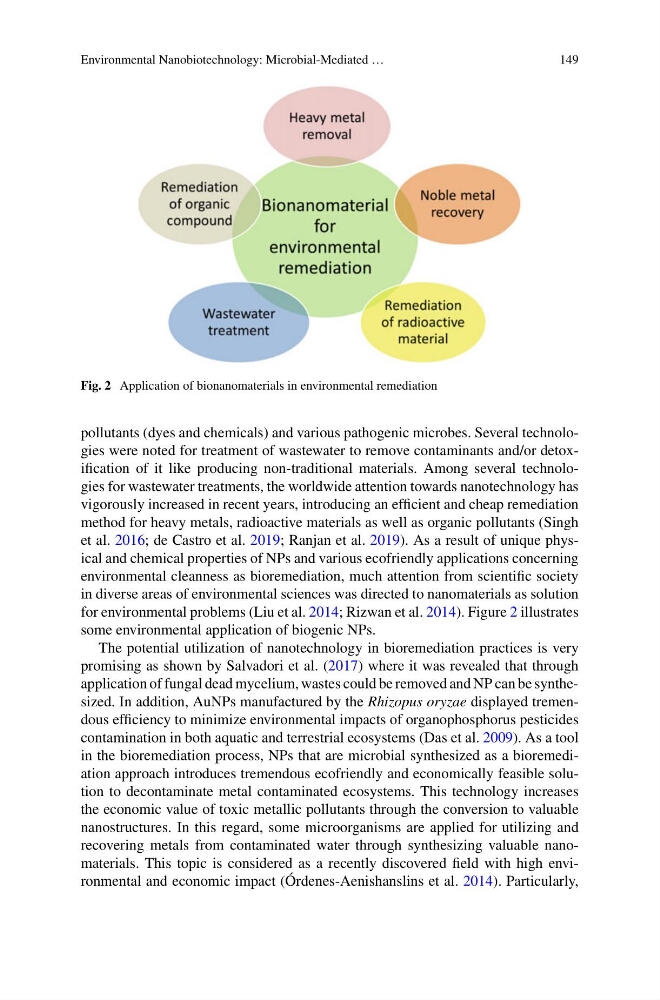
Fig. 2 Application of bionanomaterials in environmental remediation
pollutants (dyes and chemicals) and various pathogenic microbes. Several technologies were noted for treatment of wastewater to remove contaminants and/or detoxification of it like producing non-traditional materials. Among several technologies for wastewater treatments, the worldwide attention towards nanotechnology has
vigorously increased in recent years, introducing an efficient and cheap remediation
method for heavy metals, radioactive materials as well as organic pollutants (Singh
et al. 2016; de Castro et al. 2019; Ranjan et al. 2019). As a result of unique physical and chemical properties of NPs and various ecofriendly applications concerning
environmental cleanness as bioremediation, much attention from scientific society
in diverse areas of environmental sciences was directed to nanomaterials as solution
for environmental problems (Liu et al. 2014; Rizwan et al. 2014). Figure 2 illustrates
some environmental application of biogenic NPs.
The potential utilization of nanotechnology in bioremediation practices is very
promising as shown by Salvadori et al. (2017) where it was revealed that through
application of fungal dead mycelium, wastes could be removed and NP can be synthesized. In addition, AuNPs manufactured by the Rhizopus oryzae displayed tremendous efficiency to minimize environmental impacts of organophosphorus pesticides
contamination in both aquatic and terrestrial ecosystems (Das et al. 2009). As a tool
in the bioremediation process, NPs that are microbial synthesized as a bioremediation approach introduces tremendous ecofriendly and economically feasible solution to decontaminate metal contaminated ecosystems. This technology increases
the economic value of toxic metallic pollutants through the conversion to valuable
nanostructures. In this regard, some microorganisms are applied for utilizing and
recovering metals from contaminated water through synthesizing valuable nanomaterials. This topic is considered as a recently discovered field with high environmental and economic impact (Órdenes-Aenishanslins et al. 2014). Particularly,
149
Fig. 2 Application of bionanomaterials in environmental remediation
pollutants (dyes and chemicals) and various pathogenic microbes. Several technologies were noted for treatment of wastewater to remove contaminants and/or detoxification of it like producing non-traditional materials. Among several technologies for wastewater treatments, the worldwide attention towards nanotechnology has
vigorously increased in recent years, introducing an efficient and cheap remediation
method for heavy metals, radioactive materials as well as organic pollutants (Singh
et al. 2016; de Castro et al. 2019; Ranjan et al. 2019). As a result of unique physical and chemical properties of NPs and various ecofriendly applications concerning
environmental cleanness as bioremediation, much attention from scientific society
in diverse areas of environmental sciences was directed to nanomaterials as solution
for environmental problems (Liu et al. 2014; Rizwan et al. 2014). Figure 2 illustrates
some environmental application of biogenic NPs.
The potential utilization of nanotechnology in bioremediation practices is very
promising as shown by Salvadori et al. (2017) where it was revealed that through
application of fungal dead mycelium, wastes could be removed and NP can be synthesized. In addition, AuNPs manufactured by the Rhizopus oryzae displayed tremendous efficiency to minimize environmental impacts of organophosphorus pesticides
contamination in both aquatic and terrestrial ecosystems (Das et al. 2009). As a tool
in the bioremediation process, NPs that are microbial synthesized as a bioremediation approach introduces tremendous ecofriendly and economically feasible solution to decontaminate metal contaminated ecosystems. This technology increases
the economic value of toxic metallic pollutants through the conversion to valuable
nanostructures. In this regard, some microorganisms are applied for utilizing and
recovering metals from contaminated water through synthesizing valuable nanomaterials. This topic is considered as a recently discovered field with high environmental and economic impact (Órdenes-Aenishanslins et al. 2014). Particularly,