

148
O. M. Darwesh et al.
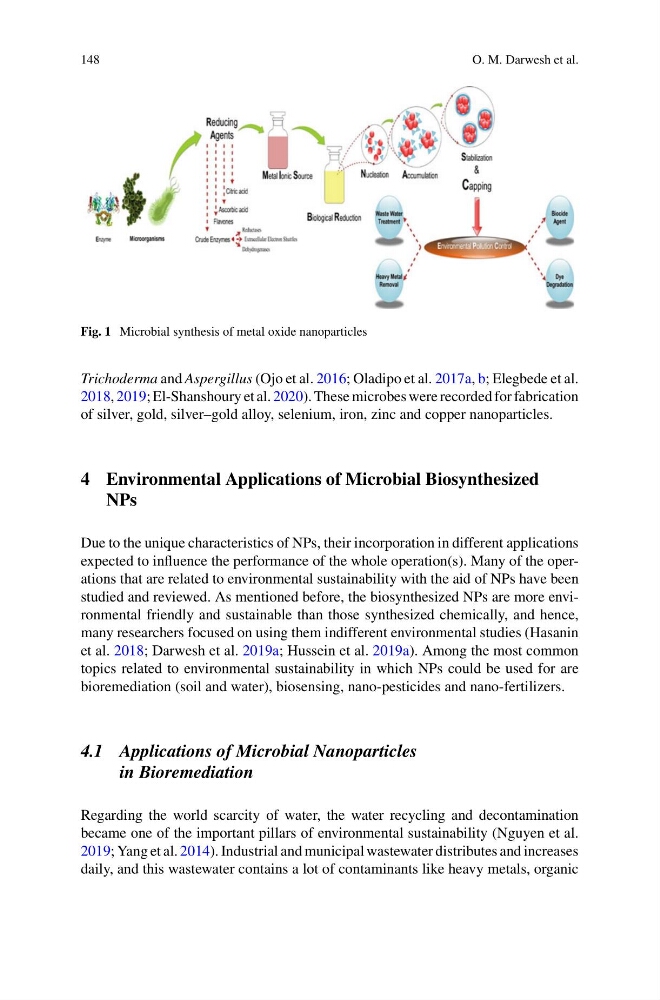
Fig. 1 Microbial synthesis of metal oxide nanoparticles
Trichoderma and Aspergillus (Ojo et al. 2016; Oladipo et al. 2017a, b; Elegbede et al.
2018, 2019; El-Shanshoury et al. 2020). These microbes were recorded for fabrication
of silver, gold, silver–gold alloy, selenium, iron, zinc and copper nanoparticles.
4 Environmental Applications of Microbial Biosynthesized
NPs
Due to the unique characteristics of NPs, their incorporation in different applications
expected to influence the performance of the whole operation(s). Many of the operations that are related to environmental sustainability with the aid of NPs have been
studied and reviewed. As mentioned before, the biosynthesized NPs are more environmental friendly and sustainable than those synthesized chemically, and hence,
many researchers focused on using them indifferent environmental studies (Hasanin
et al. 2018; Darwesh et al. 2019a; Hussein et al. 2019a). Among the most common
topics related to environmental sustainability in which NPs could be used for are
bioremediation (soil and water), biosensing, nano-pesticides and nano-fertilizers.
4.1 Applications of Microbial Nanoparticles
in Bioremediation
Regarding the world scarcity of water, the water recycling and decontamination
became one of the important pillars of environmental sustainability (Nguyen et al.
2019; Yang et al. 2014). Industrial and municipal wastewater distributes and increases
daily, and this wastewater contains a lot of contaminants like heavy metals, organic
O. M. Darwesh et al.
Fig. 1 Microbial synthesis of metal oxide nanoparticles
Trichoderma and Aspergillus (Ojo et al. 2016; Oladipo et al. 2017a, b; Elegbede et al.
2018, 2019; El-Shanshoury et al. 2020). These microbes were recorded for fabrication
of silver, gold, silver–gold alloy, selenium, iron, zinc and copper nanoparticles.
4 Environmental Applications of Microbial Biosynthesized
NPs
Due to the unique characteristics of NPs, their incorporation in different applications
expected to influence the performance of the whole operation(s). Many of the operations that are related to environmental sustainability with the aid of NPs have been
studied and reviewed. As mentioned before, the biosynthesized NPs are more environmental friendly and sustainable than those synthesized chemically, and hence,
many researchers focused on using them indifferent environmental studies (Hasanin
et al. 2018; Darwesh et al. 2019a; Hussein et al. 2019a). Among the most common
topics related to environmental sustainability in which NPs could be used for are
bioremediation (soil and water), biosensing, nano-pesticides and nano-fertilizers.
4.1 Applications of Microbial Nanoparticles
in Bioremediation
Regarding the world scarcity of water, the water recycling and decontamination
became one of the important pillars of environmental sustainability (Nguyen et al.
2019; Yang et al. 2014). Industrial and municipal wastewater distributes and increases
daily, and this wastewater contains a lot of contaminants like heavy metals, organic