

19 Mainstreaming Climate Change into Transboundary …
451
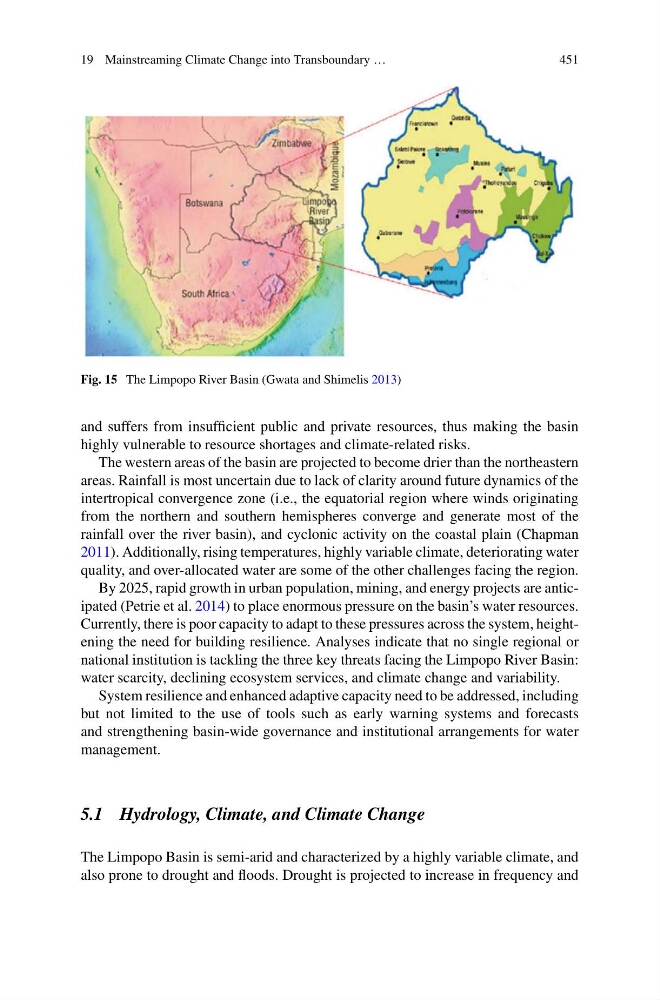
Fig. 15 The Limpopo River Basin (Gwata and Shimelis 2013)
and suffers from insufficient public and private resources, thus making the basin
highly vulnerable to resource shortages and climate-related risks.
The western areas of the basin are projected to become drier than the northeastern
areas. Rainfall is most uncertain due to lack of clarity around future dynamics of the
intertropical convergence zone (i.e., the equatorial region where winds originating
from the northern and southern hemispheres converge and generate most of the
rainfall over the river basin), and cyclonic activity on the coastal plain (Chapman
2011). Additionally, rising temperatures, highly variable climate, deteriorating water
quality, and over-allocated water are some of the other challenges facing the region.
By 2025, rapid growth in urban population, mining, and energy projects are anticipated (Petrie et al. 2014) to place enormous pressure on the basin’s water resources.
Currently, there is poor capacity to adapt to these pressures across the system, heightening the need for building resilience. Analyses indicate that no single regional or
national institution is tackling the three key threats facing the Limpopo River Basin:
water scarcity, declining ecosystem services, and climate change and variability.
System resilience and enhanced adaptive capacity need to be addressed, including
but not limited to the use of tools such as early warning systems and forecasts
and strengthening basin-wide governance and institutional arrangements for water
management.
5.1 Hydrology, Climate, and Climate Change
The Limpopo Basin is semi-arid and characterized by a highly variable climate, and
also prone to drought and floods. Drought is projected to increase in frequency and
451
Fig. 15 The Limpopo River Basin (Gwata and Shimelis 2013)
and suffers from insufficient public and private resources, thus making the basin
highly vulnerable to resource shortages and climate-related risks.
The western areas of the basin are projected to become drier than the northeastern
areas. Rainfall is most uncertain due to lack of clarity around future dynamics of the
intertropical convergence zone (i.e., the equatorial region where winds originating
from the northern and southern hemispheres converge and generate most of the
rainfall over the river basin), and cyclonic activity on the coastal plain (Chapman
2011). Additionally, rising temperatures, highly variable climate, deteriorating water
quality, and over-allocated water are some of the other challenges facing the region.
By 2025, rapid growth in urban population, mining, and energy projects are anticipated (Petrie et al. 2014) to place enormous pressure on the basin’s water resources.
Currently, there is poor capacity to adapt to these pressures across the system, heightening the need for building resilience. Analyses indicate that no single regional or
national institution is tackling the three key threats facing the Limpopo River Basin:
water scarcity, declining ecosystem services, and climate change and variability.
System resilience and enhanced adaptive capacity need to be addressed, including
but not limited to the use of tools such as early warning systems and forecasts
and strengthening basin-wide governance and institutional arrangements for water
management.
5.1 Hydrology, Climate, and Climate Change
The Limpopo Basin is semi-arid and characterized by a highly variable climate, and
also prone to drought and floods. Drought is projected to increase in frequency and