

19 Mainstreaming Climate Change into Transboundary …
449
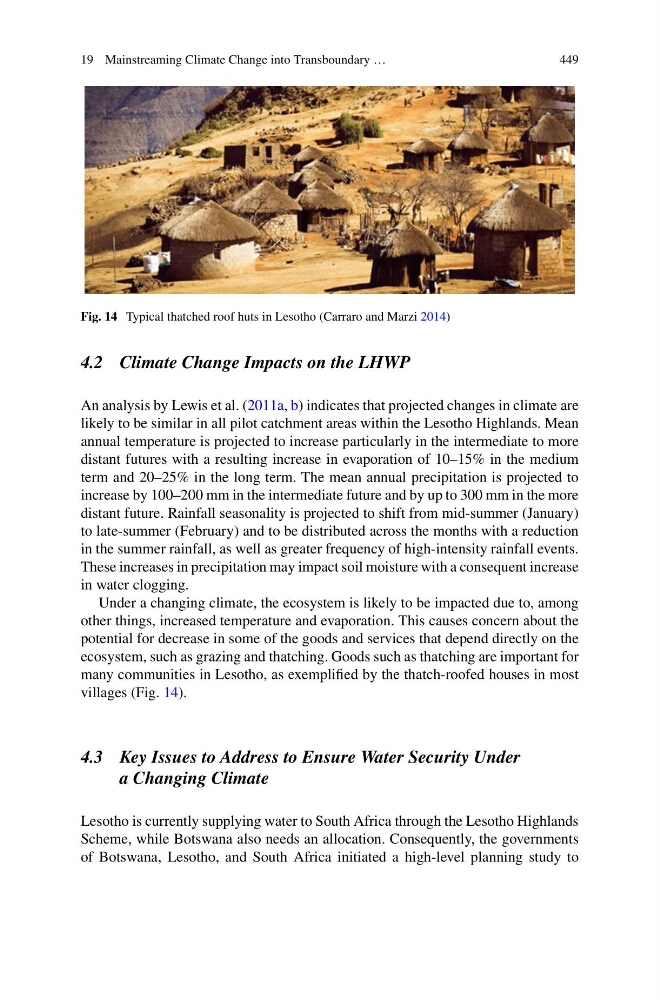
Fig. 14 Typical thatched roof huts in Lesotho (Carraro and Marzi 2014)
4.2 Climate Change Impacts on the LHWP
An analysis by Lewis et al. (2011a, b) indicates that projected changes in climate are
likely to be similar in all pilot catchment areas within the Lesotho Highlands. Mean
annual temperature is projected to increase particularly in the intermediate to more
distant futures with a resulting increase in evaporation of 10–15% in the medium
term and 20–25% in the long term. The mean annual precipitation is projected to
increase by 100–200 mm in the intermediate future and by up to 300 mm in the more
distant future. Rainfall seasonality is projected to shift from mid-summer (January)
to late-summer (February) and to be distributed across the months with a reduction
in the summer rainfall, as well as greater frequency of high-intensity rainfall events.
These increases in precipitation may impact soil moisture with a consequent increase
in water clogging.
Under a changing climate, the ecosystem is likely to be impacted due to, among
other things, increased temperature and evaporation. This causes concern about the
potential for decrease in some of the goods and services that depend directly on the
ecosystem, such as grazing and thatching. Goods such as thatching are important for
many communities in Lesotho, as exemplified by the thatch-roofed houses in most
villages (Fig. 14).
4.3 Key Issues to Address to Ensure Water Security Under
a Changing Climate
Lesotho is currently supplying water to South Africa through the Lesotho Highlands
Scheme, while Botswana also needs an allocation. Consequently, the governments
of Botswana, Lesotho, and South Africa initiated a high-level planning study to
449
Fig. 14 Typical thatched roof huts in Lesotho (Carraro and Marzi 2014)
4.2 Climate Change Impacts on the LHWP
An analysis by Lewis et al. (2011a, b) indicates that projected changes in climate are
likely to be similar in all pilot catchment areas within the Lesotho Highlands. Mean
annual temperature is projected to increase particularly in the intermediate to more
distant futures with a resulting increase in evaporation of 10–15% in the medium
term and 20–25% in the long term. The mean annual precipitation is projected to
increase by 100–200 mm in the intermediate future and by up to 300 mm in the more
distant future. Rainfall seasonality is projected to shift from mid-summer (January)
to late-summer (February) and to be distributed across the months with a reduction
in the summer rainfall, as well as greater frequency of high-intensity rainfall events.
These increases in precipitation may impact soil moisture with a consequent increase
in water clogging.
Under a changing climate, the ecosystem is likely to be impacted due to, among
other things, increased temperature and evaporation. This causes concern about the
potential for decrease in some of the goods and services that depend directly on the
ecosystem, such as grazing and thatching. Goods such as thatching are important for
many communities in Lesotho, as exemplified by the thatch-roofed houses in most
villages (Fig. 14).
4.3 Key Issues to Address to Ensure Water Security Under
a Changing Climate
Lesotho is currently supplying water to South Africa through the Lesotho Highlands
Scheme, while Botswana also needs an allocation. Consequently, the governments
of Botswana, Lesotho, and South Africa initiated a high-level planning study to