

2 Africa-Wide Trends in Development and Water …
19
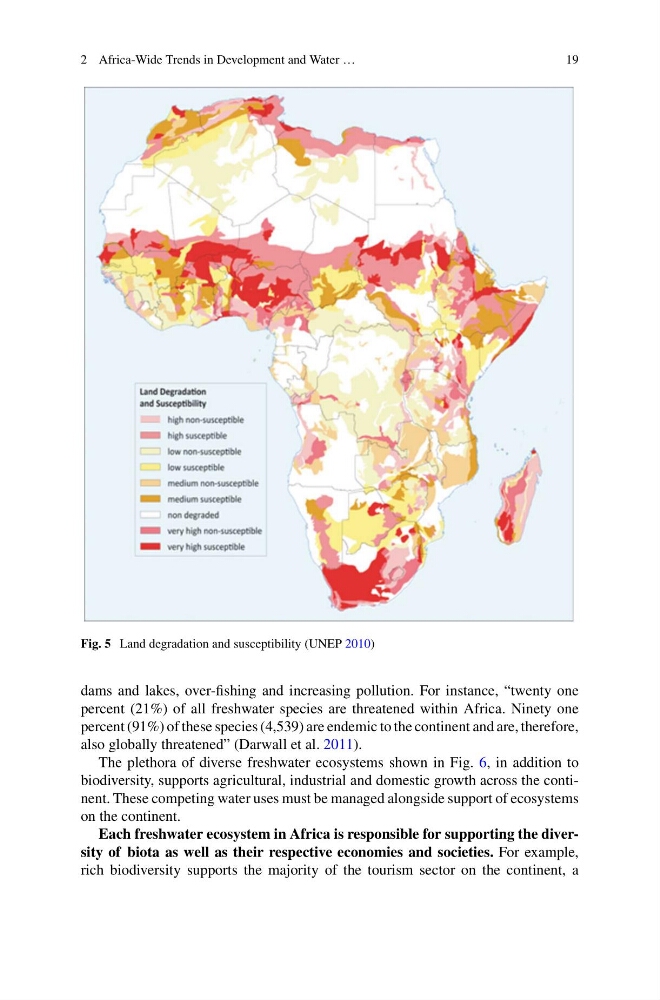
Fig. 5 Land degradation and susceptibility (UNEP 2010)
dams and lakes, over-fishing and increasing pollution. For instance, “twenty one
percent (21%) of all freshwater species are threatened within Africa. Ninety one
percent (91%) of these species (4,539) are endemic to the continent and are, therefore,
also globally threatened” (Darwall et al. 2011).
The plethora of diverse freshwater ecosystems shown in Fig. 6, in addition to
biodiversity, supports agricultural, industrial and domestic growth across the continent. These competing water uses must be managed alongside support of ecosystems
on the continent.
Each freshwater ecosystem in Africa is responsible for supporting the diversity of biota as well as their respective economies and societies. For example,
rich biodiversity supports the majority of the tourism sector on the continent, a
19
Fig. 5 Land degradation and susceptibility (UNEP 2010)
dams and lakes, over-fishing and increasing pollution. For instance, “twenty one
percent (21%) of all freshwater species are threatened within Africa. Ninety one
percent (91%) of these species (4,539) are endemic to the continent and are, therefore,
also globally threatened” (Darwall et al. 2011).
The plethora of diverse freshwater ecosystems shown in Fig. 6, in addition to
biodiversity, supports agricultural, industrial and domestic growth across the continent. These competing water uses must be managed alongside support of ecosystems
on the continent.
Each freshwater ecosystem in Africa is responsible for supporting the diversity of biota as well as their respective economies and societies. For example,
rich biodiversity supports the majority of the tourism sector on the continent, a