

414
T. Mabhaudhi et al.
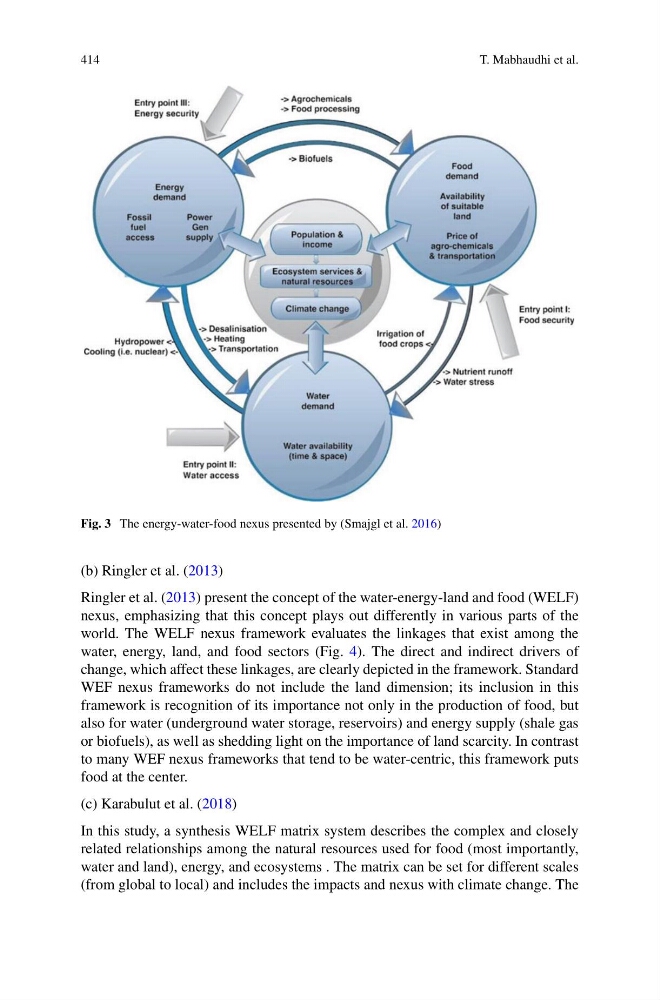
Fig. 3 The energy-water-food nexus presented by (Smajgl et al. 2016)
(b) Ringler et al. (2013)
Ringler et al. (2013) present the concept of the water-energy-land and food (WELF)
nexus, emphasizing that this concept plays out differently in various parts of the
world. The WELF nexus framework evaluates the linkages that exist among the
water, energy, land, and food sectors (Fig. 4). The direct and indirect drivers of
change, which affect these linkages, are clearly depicted in the framework. Standard
WEF nexus frameworks do not include the land dimension; its inclusion in this
framework is recognition of its importance not only in the production of food, but
also for water (underground water storage, reservoirs) and energy supply (shale gas
or biofuels), as well as shedding light on the importance of land scarcity. In contrast
to many WEF nexus frameworks that tend to be water-centric, this framework puts
food at the center.
(c) Karabulut et al. (2018)
In this study, a synthesis WELF matrix system describes the complex and closely
related relationships among the natural resources used for food (most importantly,
water and land), energy, and ecosystems . The matrix can be set for different scales
(from global to local) and includes the impacts and nexus with climate change. The
T. Mabhaudhi et al.
Fig. 3 The energy-water-food nexus presented by (Smajgl et al. 2016)
(b) Ringler et al. (2013)
Ringler et al. (2013) present the concept of the water-energy-land and food (WELF)
nexus, emphasizing that this concept plays out differently in various parts of the
world. The WELF nexus framework evaluates the linkages that exist among the
water, energy, land, and food sectors (Fig. 4). The direct and indirect drivers of
change, which affect these linkages, are clearly depicted in the framework. Standard
WEF nexus frameworks do not include the land dimension; its inclusion in this
framework is recognition of its importance not only in the production of food, but
also for water (underground water storage, reservoirs) and energy supply (shale gas
or biofuels), as well as shedding light on the importance of land scarcity. In contrast
to many WEF nexus frameworks that tend to be water-centric, this framework puts
food at the center.
(c) Karabulut et al. (2018)
In this study, a synthesis WELF matrix system describes the complex and closely
related relationships among the natural resources used for food (most importantly,
water and land), energy, and ecosystems . The matrix can be set for different scales
(from global to local) and includes the impacts and nexus with climate change. The