

62
2.4.1.3 Other Fossil Records of Protozoan Parasites
Fossil Piroplasmid Parasites
Ticks also vector parasitic protozoa and one engorged nymphal Amblyomma tick in
Dominican amber was recently found to vector a representative of the Order
Piroplasmida. The tick was in a pool of mammalian blood that had flowed out of a
wound on its back (Fig. 2.48). Some of the vertebrate erythrocytes contained the
developmental stages of the piroplasm, Paleohaimatus calabresi (Fig. 2.49).
Internally, the tick showed developmental stages of P. calabresi in its hemocoel, gut
lumen and gut epithelial cells (Fig. 2.36). Based on features of the erythrocytes, it
was concluded that the tick had been feeding on a monkey and was plucked off by
a companion during a grooming operation. Thus ticks were vectoring piroplasmas
to vertebrates in the mid-Cenozoic (Poinar 2017).
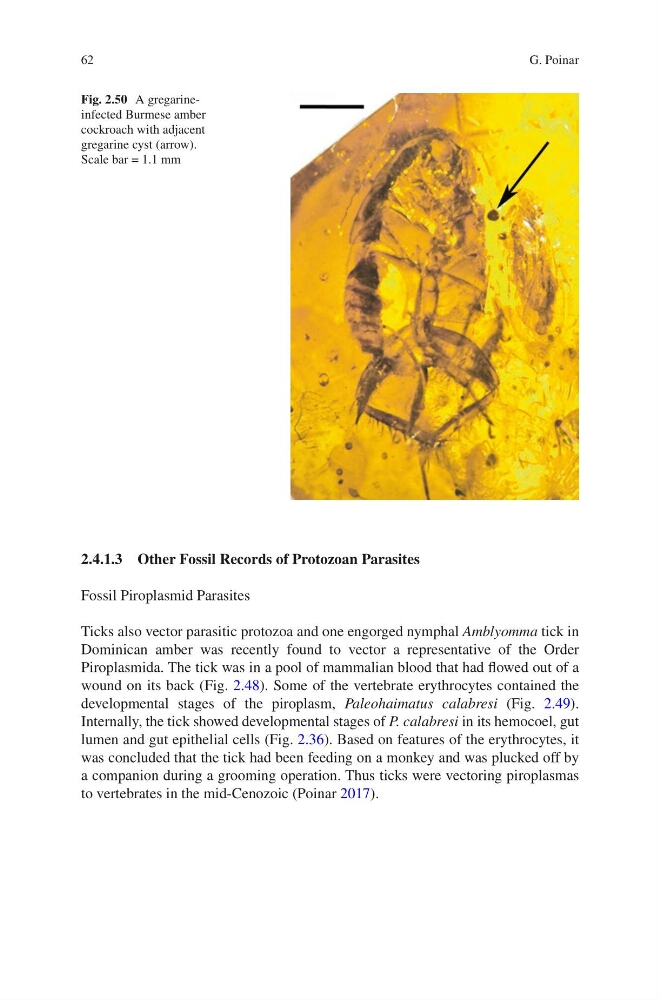
Fig. 2.50 A gregarineinfected Burmese amber
cockroach with adjacent
gregarine cyst (arrow).
Scale bar = 1.1 mm
G. Poinar
2.4.1.3 Other Fossil Records of Protozoan Parasites
Fossil Piroplasmid Parasites
Ticks also vector parasitic protozoa and one engorged nymphal Amblyomma tick in
Dominican amber was recently found to vector a representative of the Order
Piroplasmida. The tick was in a pool of mammalian blood that had flowed out of a
wound on its back (Fig. 2.48). Some of the vertebrate erythrocytes contained the
developmental stages of the piroplasm, Paleohaimatus calabresi (Fig. 2.49).
Internally, the tick showed developmental stages of P. calabresi in its hemocoel, gut
lumen and gut epithelial cells (Fig. 2.36). Based on features of the erythrocytes, it
was concluded that the tick had been feeding on a monkey and was plucked off by
a companion during a grooming operation. Thus ticks were vectoring piroplasmas
to vertebrates in the mid-Cenozoic (Poinar 2017).
Fig. 2.50 A gregarineinfected Burmese amber
cockroach with adjacent
gregarine cyst (arrow).
Scale bar = 1.1 mm
G. Poinar