

474
a parasitoid fly, which incidentally was one additional trophic level higher than that
of the crocodile (Dunne et al. 2014).
11.6.4 Top–Down Control of Food Webs by Parasitoids
in Modern Ecosystems
During the past 25 years, an increasing number of studies have demonstrated the
consequences that parasitoids have in modern ecosystems (Schowalter 2016). Much
of this work has been done with the intricate effects in microcosms of hymenopteran
and dipteran parasitoids and their hyperparasitoids on leaf mining and external foliage feeding larvae in tropical food webs (Thompson 1984). One study evaluating
host specificity in parasitoids involved a community of 66 parasitoids, 60 predators,
19 herbivores, 5 omnivores, and 3 pathogens associated with broom, Cytisus
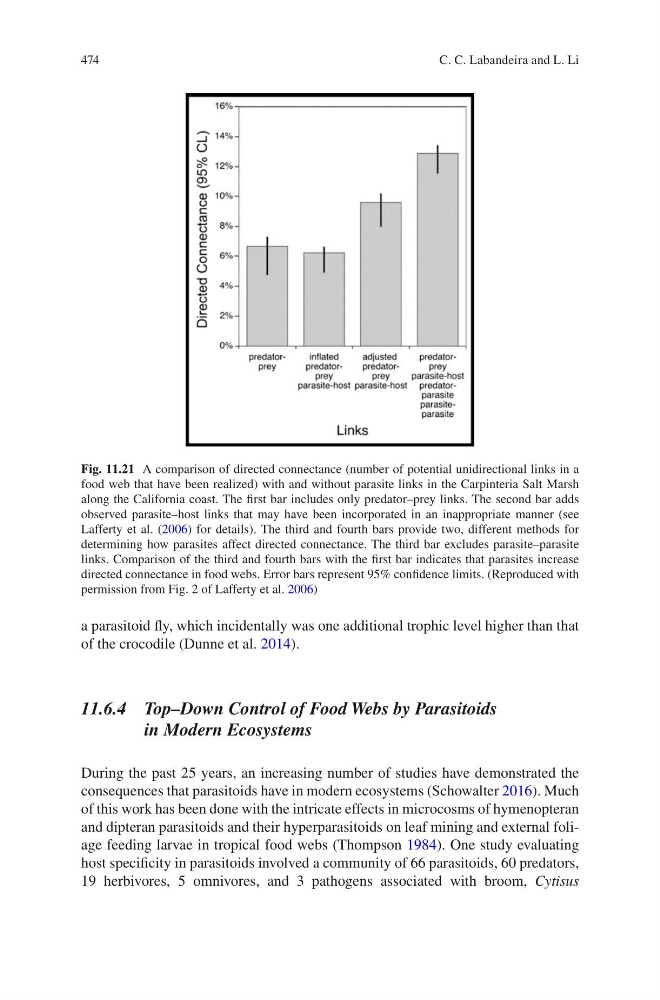
Fig. 11.21 A comparison of directed connectance (number of potential unidirectional links in a
food web that have been realized) with and without parasite links in the Carpinteria Salt Marsh
along the California coast. The first bar includes only predator–prey links. The second bar adds
observed parasite–host links that may have been incorporated in an inappropriate manner (see
Lafferty et al. (2006) for details). The third and fourth bars provide two, different methods for
determining how parasites affect directed connectance. The third bar excludes parasite–parasite
links. Comparison of the third and fourth bars with the first bar indicates that parasites increase
directed connectance in food webs. Error bars represent 95% confidence limits. (Reproduced with
permission from Fig. 2 of Lafferty et al. 2006)
C. C. Labandeira and L. Li
a parasitoid fly, which incidentally was one additional trophic level higher than that
of the crocodile (Dunne et al. 2014).
11.6.4 Top–Down Control of Food Webs by Parasitoids
in Modern Ecosystems
During the past 25 years, an increasing number of studies have demonstrated the
consequences that parasitoids have in modern ecosystems (Schowalter 2016). Much
of this work has been done with the intricate effects in microcosms of hymenopteran
and dipteran parasitoids and their hyperparasitoids on leaf mining and external foliage feeding larvae in tropical food webs (Thompson 1984). One study evaluating
host specificity in parasitoids involved a community of 66 parasitoids, 60 predators,
19 herbivores, 5 omnivores, and 3 pathogens associated with broom, Cytisus
Fig. 11.21 A comparison of directed connectance (number of potential unidirectional links in a
food web that have been realized) with and without parasite links in the Carpinteria Salt Marsh
along the California coast. The first bar includes only predator–prey links. The second bar adds
observed parasite–host links that may have been incorporated in an inappropriate manner (see
Lafferty et al. (2006) for details). The third and fourth bars provide two, different methods for
determining how parasites affect directed connectance. The third bar excludes parasite–parasite
links. Comparison of the third and fourth bars with the first bar indicates that parasites increase
directed connectance in food webs. Error bars represent 95% confidence limits. (Reproduced with
permission from Fig. 2 of Lafferty et al. 2006)
C. C. Labandeira and L. Li