

94
A: Ascomycota
am: amber
ap: appositions
B: Basidiomycota
C: Chytridiomycota
cb: coal ball
ch: chert
cal: callosities
cm: compression
cp: coprolites
cu: cuticle
cuz: cutinization
dis: dispersed remains
dr: discontinuous rim
es: eragastic substances
G: Glomeromycotina
H: hyphomycetes
hy: hypertrophy
Me: Mesomycetozoea
Mu: Mucoromycotina
pol: pollen
ppt: permineralized peat
r: resin
sw: silicified wood
tf: trace fossil
ty: tyloses
unk: unknown
zz: zig-zag thickening
Key
ch
C
cb
u n k
d is
p p t
c h
H
C
c h
c h
p o l
cb
dis
ppt
pol
sw
c
h
c
h
d
is
s w
c b
c m
cp
sw
am
ch
c u
d i s
A
B
unk
ca l
c u z
d r
c a l
r
e s
a p
c
a
l
ty
zz
ca
l
c a l
c
h
am
tf
dis
tf
a
m
Me
C
unk
A
c h
c b
a m
G
M u
B
c h
h y
f - a
fungusanimal
fungusland
plant
fungusfungus
C
c a l
1. fungusinteraction partner
2. fungus affinities
3. fossil preservation
4. host response
1 2 3 4
fungus-land plant
fungus-fungus
fungus-animal
fungus-alga (f-a)
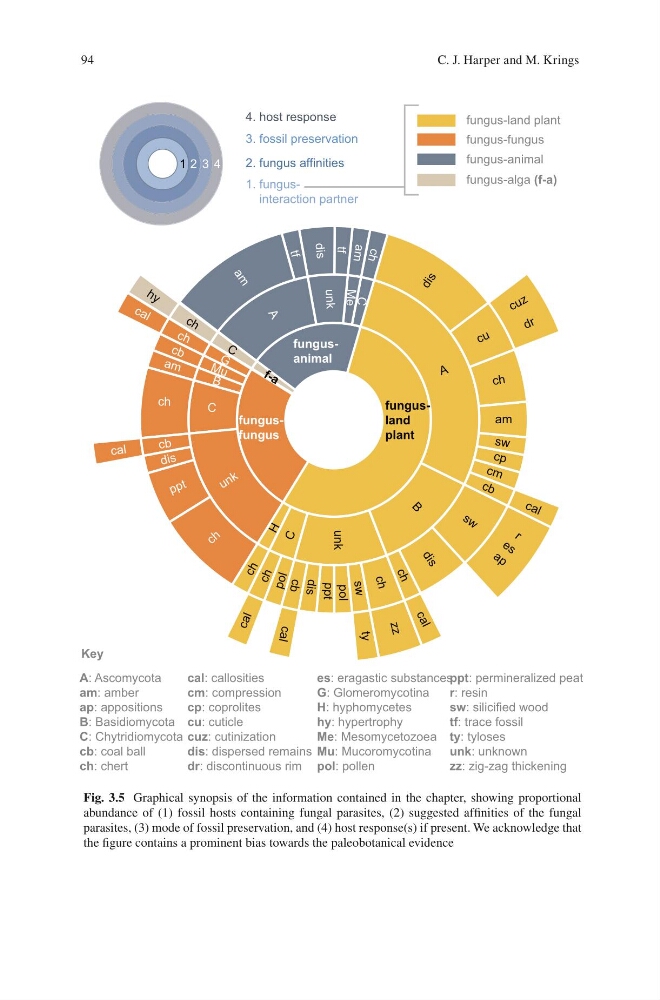
Fig. 3.5 Graphical synopsis of the information contained in the chapter, showing proportional
abundance of (1) fossil hosts containing fungal parasites, (2) suggested affinities of the fungal
parasites, (3) mode of fossil preservation, and (4) host response(s) if present. We acknowledge that
the figure contains a prominent bias towards the paleobotanical evidence
C. J. Harper and M. Krings
A: Ascomycota
am: amber
ap: appositions
B: Basidiomycota
C: Chytridiomycota
cb: coal ball
ch: chert
cal: callosities
cm: compression
cp: coprolites
cu: cuticle
cuz: cutinization
dis: dispersed remains
dr: discontinuous rim
es: eragastic substances
G: Glomeromycotina
H: hyphomycetes
hy: hypertrophy
Me: Mesomycetozoea
Mu: Mucoromycotina
pol: pollen
ppt: permineralized peat
r: resin
sw: silicified wood
tf: trace fossil
ty: tyloses
unk: unknown
zz: zig-zag thickening
Key
ch
C
cb
u n k
d is
p p t
c h
H
C
c h
c h
p o l
cb
dis
ppt
pol
sw
c
h
c
h
d
is
s w
c b
c m
cp
sw
am
ch
c u
d i s
A
B
unk
ca l
c u z
d r
c a l
r
e s
a p
c
a
l
ty
zz
ca
l
c a l
c
h
am
tf
dis
tf
a
m
Me
C
unk
A
c h
c b
a m
G
M u
B
c h
h y
f - a
fungusanimal
fungusland
plant
fungusfungus
C
c a l
1. fungusinteraction partner
2. fungus affinities
3. fossil preservation
4. host response
1 2 3 4
fungus-land plant
fungus-fungus
fungus-animal
fungus-alga (f-a)
Fig. 3.5 Graphical synopsis of the information contained in the chapter, showing proportional
abundance of (1) fossil hosts containing fungal parasites, (2) suggested affinities of the fungal
parasites, (3) mode of fossil preservation, and (4) host response(s) if present. We acknowledge that
the figure contains a prominent bias towards the paleobotanical evidence
C. J. Harper and M. Krings