

11 PCM-Metal Foam Composite Systems for Solar Energy Storage
231
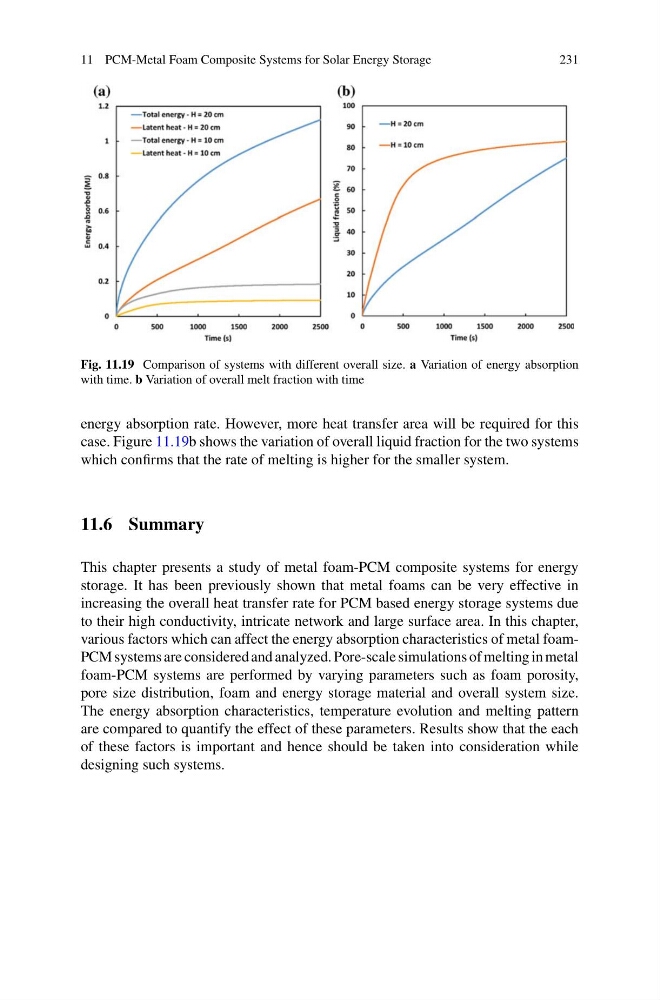
Fig. 11.19 Comparison of systems with different overall size. a Variation of energy absorption
with time. b Variation of overall melt fraction with time
energy absorption rate. However, more heat transfer area will be required for this
case. Figure 11.19b shows the variation of overall liquid fraction for the two systems
which confirms that the rate of melting is higher for the smaller system.
11.6 Summary
This chapter presents a study of metal foam-PCM composite systems for energy
storage. It has been previously shown that metal foams can be very effective in
increasing the overall heat transfer rate for PCM based energy storage systems due
to their high conductivity, intricate network and large surface area. In this chapter,
various factors which can affect the energy absorption characteristics of metal foamPCM systems are considered and analyzed. Pore-scale simulations of melting in metal
foam-PCM systems are performed by varying parameters such as foam porosity,
pore size distribution, foam and energy storage material and overall system size.
The energy absorption characteristics, temperature evolution and melting pattern
are compared to quantify the effect of these parameters. Results show that the each
of these factors is important and hence should be taken into consideration while
designing such systems.
231
Fig. 11.19 Comparison of systems with different overall size. a Variation of energy absorption
with time. b Variation of overall melt fraction with time
energy absorption rate. However, more heat transfer area will be required for this
case. Figure 11.19b shows the variation of overall liquid fraction for the two systems
which confirms that the rate of melting is higher for the smaller system.
11.6 Summary
This chapter presents a study of metal foam-PCM composite systems for energy
storage. It has been previously shown that metal foams can be very effective in
increasing the overall heat transfer rate for PCM based energy storage systems due
to their high conductivity, intricate network and large surface area. In this chapter,
various factors which can affect the energy absorption characteristics of metal foamPCM systems are considered and analyzed. Pore-scale simulations of melting in metal
foam-PCM systems are performed by varying parameters such as foam porosity,
pore size distribution, foam and energy storage material and overall system size.
The energy absorption characteristics, temperature evolution and melting pattern
are compared to quantify the effect of these parameters. Results show that the each
of these factors is important and hence should be taken into consideration while
designing such systems.