

able to absorb and recover from the shock impacts resulting from the uneven road
surface.
In contrast, however, even when a boxer hits his practice sand bag repeatedly, it
behaves differently. It barely moves. It is as if he were just hitting a brick wall which
does not move at all.
In all the examples above, the system (car, sand bag, brick wall) has some
properties or characteristics which allows it to return (or to recover) to the original
position or state. This is the concept describing the resilience of a system – the ability
of a system to return to its previous stable position (quickly or slowly) after a
disturbance or shock. Figure 11.2 illustrates how a system recovers to its normal
performance.
In essence, the concept of resilience (Moench 2009) may vary between two
extremes:
(a) hard resilience: (the brick wall) – the structures or institutions are designed to be
strong, so strong that when placed under pressure, there is little probability of
collapse. If required, the resilience of a structure may be increased through
specific strengthening measures to reduce further this probability of collapse.
(b) soft resilience: (the reed of the parable) – systems are able to absorb and/or
recover from the impact or shock of disruptive events. There are no fundamental
Availability
Efficiency
Security
Manageability
Functionality
Performance
Recoverability
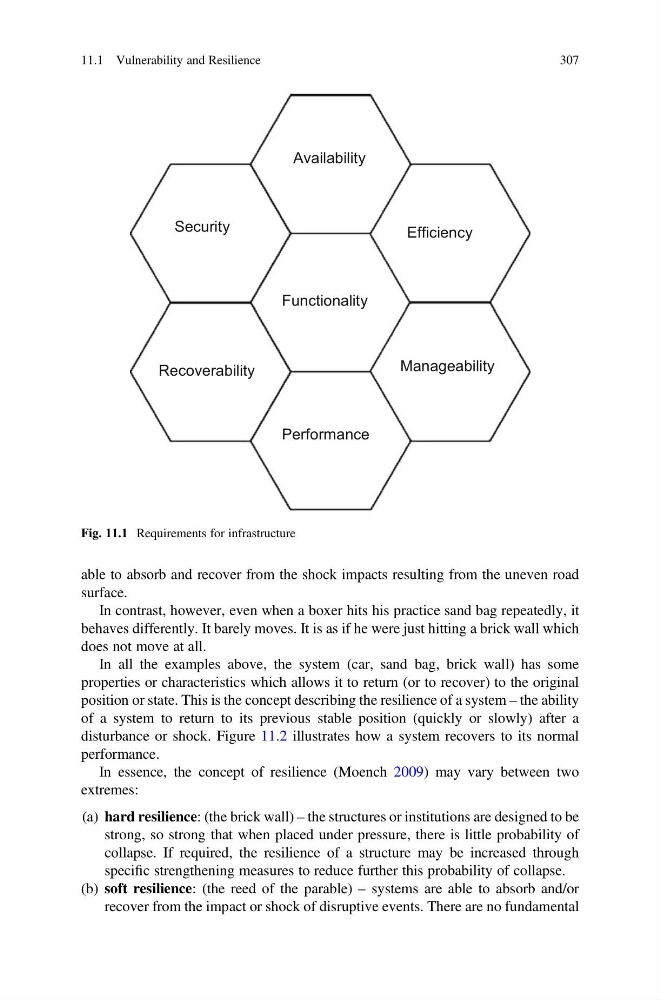
Fig. 11.1 Requirements for infrastructure
11.1 Vulnerability and Resilience
307
surface.
In contrast, however, even when a boxer hits his practice sand bag repeatedly, it
behaves differently. It barely moves. It is as if he were just hitting a brick wall which
does not move at all.
In all the examples above, the system (car, sand bag, brick wall) has some
properties or characteristics which allows it to return (or to recover) to the original
position or state. This is the concept describing the resilience of a system – the ability
of a system to return to its previous stable position (quickly or slowly) after a
disturbance or shock. Figure 11.2 illustrates how a system recovers to its normal
performance.
In essence, the concept of resilience (Moench 2009) may vary between two
extremes:
(a) hard resilience: (the brick wall) – the structures or institutions are designed to be
strong, so strong that when placed under pressure, there is little probability of
collapse. If required, the resilience of a structure may be increased through
specific strengthening measures to reduce further this probability of collapse.
(b) soft resilience: (the reed of the parable) – systems are able to absorb and/or
recover from the impact or shock of disruptive events. There are no fundamental
Availability
Efficiency
Security
Manageability
Functionality
Performance
Recoverability
Fig. 11.1 Requirements for infrastructure
11.1 Vulnerability and Resilience
307