

222
A. Virtuani
9.1.2 Series and Parallel Connections of Cells
If we connect solar cells in series (series connection), voltages add-up, while the
overall current corresponds to the current of a single solar cell. If a single cell in the
string is delivering a lower current (lower performance, cell breakage, shaded cell,
etc.), this cell sets the current of the whole string. This is why cells must be currentmatched when sorted in module manufacturing lines. Otherwise, mismatches will
lead to a reduction in module performance.
On the contrary, in a parallel connection, currents add-up and the overall voltage
is equal to the voltage of a single solar cell. However, in a parallel connection, if
voltages of cells/strings are not balanced, the overall voltage of the connection will
be close to the voltage of the cell/string with the lowest voltage.
In general, if n and m are, respectively, the number of the cells in series and in
parallel, the following relations hold for the open-circuit voltage V
m
oc and short-circuit
currents I
m
sc of the modules:
(1) In a series connection: V
m
oc = V oc × n, I
m
sc = I sc ;
(2) In a parallel connection: V
m
oc = V oc , I
m
sc = I sc × m;
where V oc and I sc are the parameters for a single solar cell.
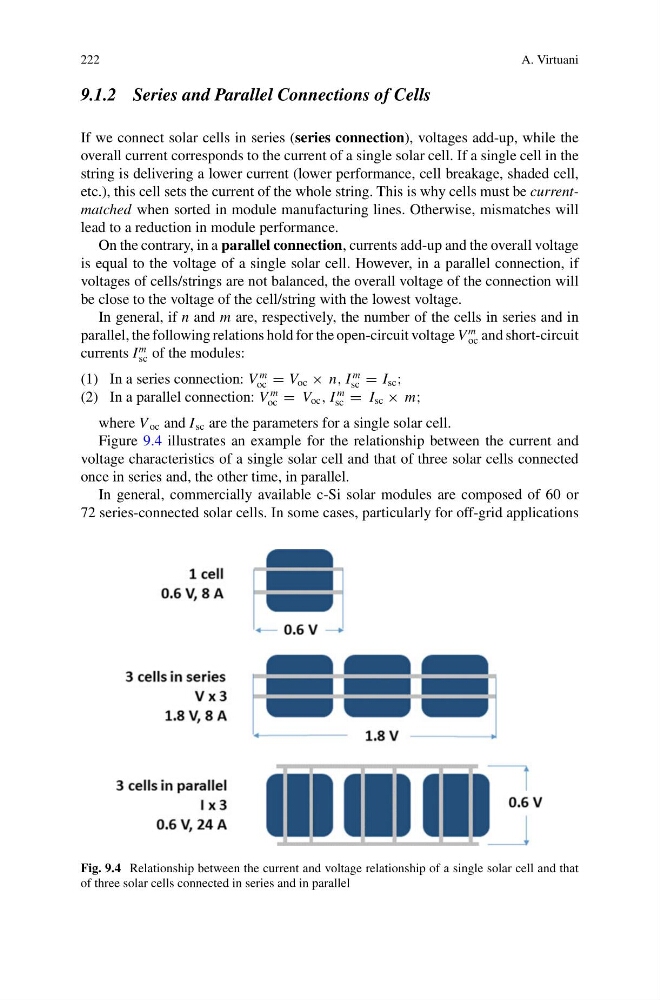
Figure 9.4 illustrates an example for the relationship between the current and
voltage characteristics of a single solar cell and that of three solar cells connected
once in series and, the other time, in parallel.
In general, commercially available c-Si solar modules are composed of 60 or
72 series-connected solar cells. In some cases, particularly for off-grid applications
Fig. 9.4 Relationship between the current and voltage relationship of a single solar cell and that
of three solar cells connected in series and in parallel
A. Virtuani
9.1.2 Series and Parallel Connections of Cells
If we connect solar cells in series (series connection), voltages add-up, while the
overall current corresponds to the current of a single solar cell. If a single cell in the
string is delivering a lower current (lower performance, cell breakage, shaded cell,
etc.), this cell sets the current of the whole string. This is why cells must be currentmatched when sorted in module manufacturing lines. Otherwise, mismatches will
lead to a reduction in module performance.
On the contrary, in a parallel connection, currents add-up and the overall voltage
is equal to the voltage of a single solar cell. However, in a parallel connection, if
voltages of cells/strings are not balanced, the overall voltage of the connection will
be close to the voltage of the cell/string with the lowest voltage.
In general, if n and m are, respectively, the number of the cells in series and in
parallel, the following relations hold for the open-circuit voltage V
m
oc and short-circuit
currents I
m
sc of the modules:
(1) In a series connection: V
m
oc = V oc × n, I
m
sc = I sc ;
(2) In a parallel connection: V
m
oc = V oc , I
m
sc = I sc × m;
where V oc and I sc are the parameters for a single solar cell.
Figure 9.4 illustrates an example for the relationship between the current and
voltage characteristics of a single solar cell and that of three solar cells connected
once in series and, the other time, in parallel.
In general, commercially available c-Si solar modules are composed of 60 or
72 series-connected solar cells. In some cases, particularly for off-grid applications
Fig. 9.4 Relationship between the current and voltage relationship of a single solar cell and that
of three solar cells connected in series and in parallel