

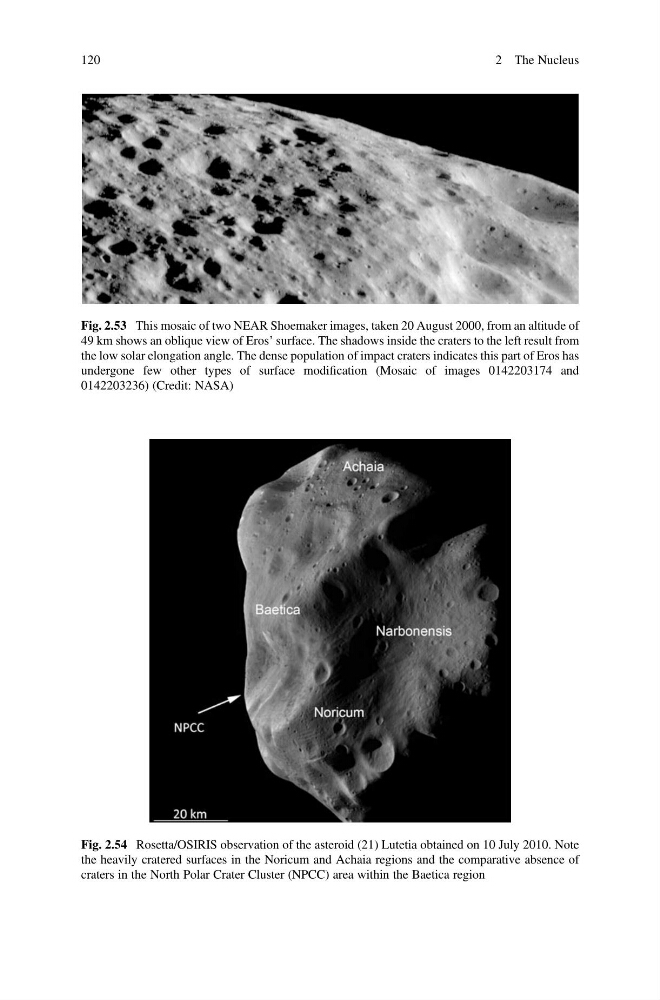
Fig. 2.53 This mosaic of two NEAR Shoemaker images, taken 20 August 2000, from an altitude of
49 km shows an oblique view of Eros’ surface. The shadows inside the craters to the left result from
the low solar elongation angle. The dense population of impact craters indicates this part of Eros has
undergone few other types of surface modification (Mosaic of images 0142203174 and
0142203236) (Credit: NASA)
Fig. 2.54 Rosetta/OSIRIS observation of the asteroid (21) Lutetia obtained on 10 July 2010. Note
the heavily cratered surfaces in the Noricum and Achaia regions and the comparative absence of
craters in the North Polar Crater Cluster (NPCC) area within the Baetica region
120
2 The Nucleus
49 km shows an oblique view of Eros’ surface. The shadows inside the craters to the left result from
the low solar elongation angle. The dense population of impact craters indicates this part of Eros has
undergone few other types of surface modification (Mosaic of images 0142203174 and
0142203236) (Credit: NASA)
Fig. 2.54 Rosetta/OSIRIS observation of the asteroid (21) Lutetia obtained on 10 July 2010. Note
the heavily cratered surfaces in the Noricum and Achaia regions and the comparative absence of
craters in the North Polar Crater Cluster (NPCC) area within the Baetica region
120
2 The Nucleus