

has become rather important with particular emphasis on studying changes arising
from subtle differences in the initial conditions. This research direction is however in
its infancy.
2.10.3 Impact Cratering
Atmosphere-less bodies in the Solar System generally show evidence of impact
cratering and the basic mechanics is described in, for example, Greeley (2013). Even
small bodies such as asteroids have surfaces that are strongly influenced by impact
processes. The Near Earth Asteroid Rendezvous (NEAR) spacecraft was renamed
NEAR Shoemaker after its 1996 launch. The spacecraft completed a rendezvous
with the asteroid (433) Eros and orbited it several times completing a full mapping
before touching down on the surface of the asteroid on 12 February 2001 (Veverka
et al. 2001). Close-up observations of (433) Eros before landing revealed a high
surface density of impact craters (Fig. 2.53).
Surface modification to erase or bury ancient impact craters has been seen on
inactive small bodies. An example is the asteroid (21) Lutetia (Fig. 2.54) which was
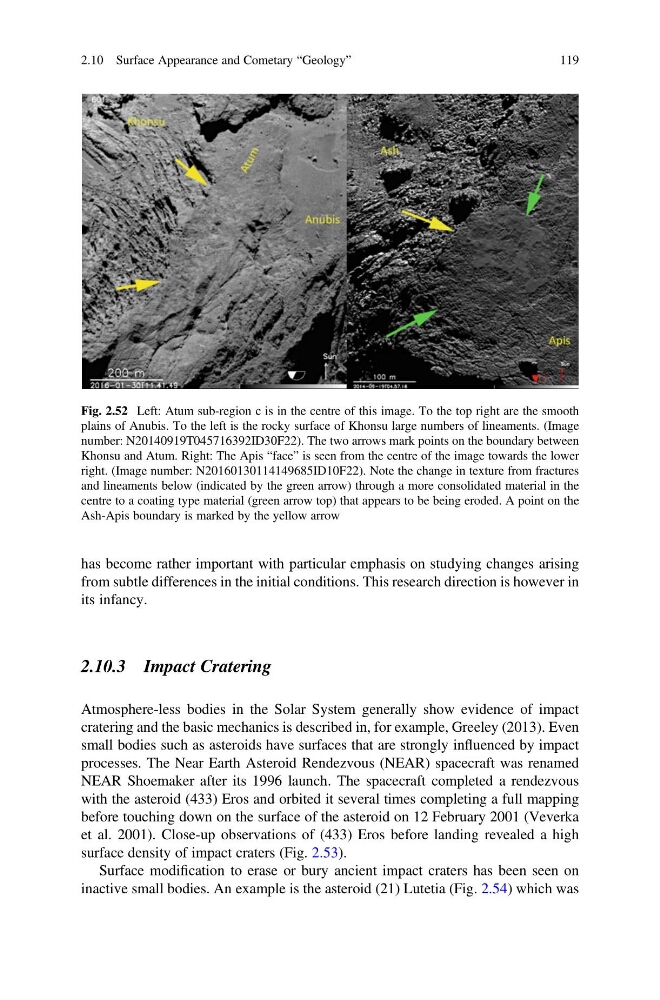
Fig. 2.52 Left: Atum sub-region c is in the centre of this image. To the top right are the smooth
plains of Anubis. To the left is the rocky surface of Khonsu large numbers of lineaments. (Image
number: N20140919T045716392ID30F22). The two arrows mark points on the boundary between
Khonsu and Atum. Right: The Apis “face” is seen from the centre of the image towards the lower
right. (Image number: N20160130114149685ID10F22). Note the change in texture from fractures
and lineaments below (indicated by the green arrow) through a more consolidated material in the
centre to a coating type material (green arrow top) that appears to be being eroded. A point on the
Ash-Apis boundary is marked by the yellow arrow
2.10 Surface Appearance and Cometary “Geology”
119
from subtle differences in the initial conditions. This research direction is however in
its infancy.
2.10.3 Impact Cratering
Atmosphere-less bodies in the Solar System generally show evidence of impact
cratering and the basic mechanics is described in, for example, Greeley (2013). Even
small bodies such as asteroids have surfaces that are strongly influenced by impact
processes. The Near Earth Asteroid Rendezvous (NEAR) spacecraft was renamed
NEAR Shoemaker after its 1996 launch. The spacecraft completed a rendezvous
with the asteroid (433) Eros and orbited it several times completing a full mapping
before touching down on the surface of the asteroid on 12 February 2001 (Veverka
et al. 2001). Close-up observations of (433) Eros before landing revealed a high
surface density of impact craters (Fig. 2.53).
Surface modification to erase or bury ancient impact craters has been seen on
inactive small bodies. An example is the asteroid (21) Lutetia (Fig. 2.54) which was
Fig. 2.52 Left: Atum sub-region c is in the centre of this image. To the top right are the smooth
plains of Anubis. To the left is the rocky surface of Khonsu large numbers of lineaments. (Image
number: N20140919T045716392ID30F22). The two arrows mark points on the boundary between
Khonsu and Atum. Right: The Apis “face” is seen from the centre of the image towards the lower
right. (Image number: N20160130114149685ID10F22). Note the change in texture from fractures
and lineaments below (indicated by the green arrow) through a more consolidated material in the
centre to a coating type material (green arrow top) that appears to be being eroded. A point on the
Ash-Apis boundary is marked by the yellow arrow
2.10 Surface Appearance and Cometary “Geology”
119