

26.9 Conclusion
Malaysia has recognised the importance of the peatland ecosystems in the country
and has been taking actions on improving the management practices of peatland,
both the cultivated peatland areas and protecting the peat swamp forests. With the
implementation of the National Action Plan for Peatlands (NAPP) 2011–2020 and
new NAPP for 2021–2030 to be developed by the Ministry of Energy and Natural
Resources (KeTSA), National Programme on Implementing Peat Fire Prevention to
Combat Haze in Malaysia by the Department of Environment (DOE) of the Ministry
of Environment and Water (KASA) with a revised and updated version of the
Standard Operating Procedure (SOP) for Implementing Peat Fire Prevention
Programme to Combat Haze in Malaysia and draft Master Plan for Management
of Fire Prone Peatland in Malaysia 2021–2030.
The Malaysian Sustainable Palm Oil (MSPO) Standard under the Ministry of
Primary Industries and Commodities (MPIC) will strengthen protection of peatlands,
as part of its international commitment to enhance the sustainability of the oil palm
sector. In view of this, the government has been taking proactive action in communicating with the buyers/traders, in particular the European Union countries, China
and India for palm oil deals. Internally, efforts are being encouraged from the private
sector and smallholders, as well as the CSOs, NGOs and local communities to share
responsibility and roles in promoting and practising sustainable management practices for peatland ecosystems in the country, for a better environment.
Acknowledgements The involvement of the Global Environment Centre (GEC) in preparing this
paper has been supported under the Technical Assistance and Knowledge Exchange for Sustainable
Management of Peatland Ecosystems in Malaysia Project (TAKE-SMPEM) funded by the International Fund for Agricultural Department (IFAD).
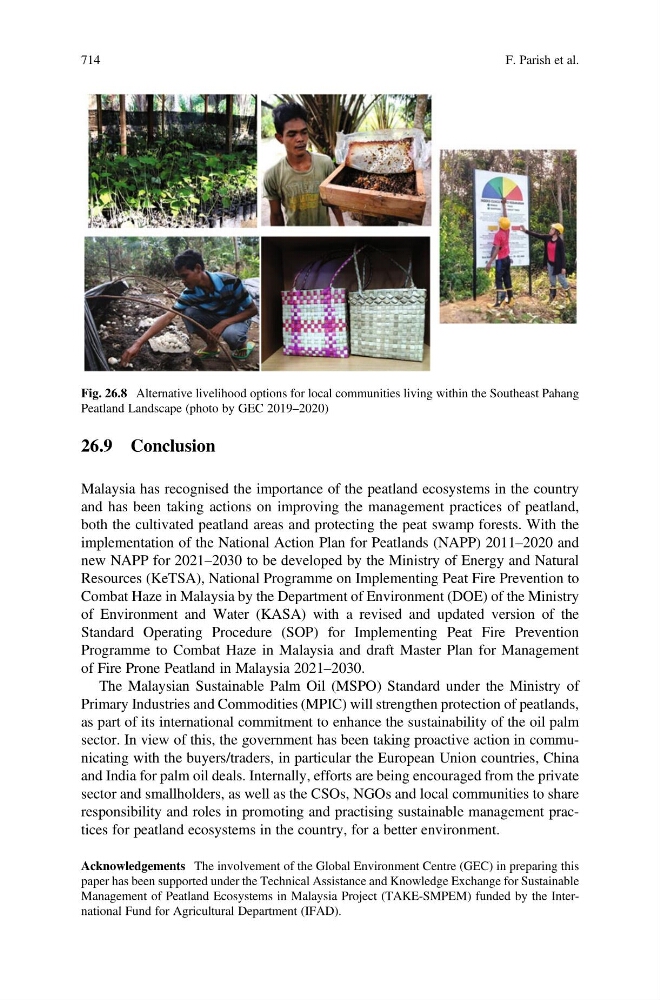
Fig. 26.8 Alternative livelihood options for local communities living within the Southeast Pahang
Peatland Landscape (photo by GEC 2019–2020)
714
F. Parish et al.