

areas in this area were drained from unsustainable logging activity decades ago
through logging canals. The community involved are indigenous people from Jakun
tribe who lives on the degraded peatland with frequent fire, located in between the
plantation and forest reserve.
The objective of this programme is to conserve and rehabilitate degraded peatland
area as well as developing a sustainable peatland management programme while
improving the living standard of the local community. The programme began with
developing capacity of the plantation company and the local community in rehabilitating the degraded peatland area by increasing water table through canal blocks,
then set up community nursery for fast growing tree species for enrichment planting,
organise forest tree replanting, establish local committee for fire patrolling and
monitoring and introduce low carbon livelihood options to improve food intake
and household income. The activities were undertaken with involvement and discussions with the local communities and consent given by the community prior to
the actual actions on the ground. Other key stakeholders including the government
agencies have been duly informed on the progress of the rehabilitation programme.
With implementation of the programme, the landscape approach with multistakeholder partnership has demonstrated good results of which the degraded
peatland areas have been rewetted, natural regeneration is starting with enrichment
planting undertaken, fish catch is better compared to earlier days, the local
community’s household income is improved with intervention of the livelihood
activities—backyard community nurseries, bee-keeping, occasional mushroom
farming, handicraft and community fire patrol (Fig. 26.8).
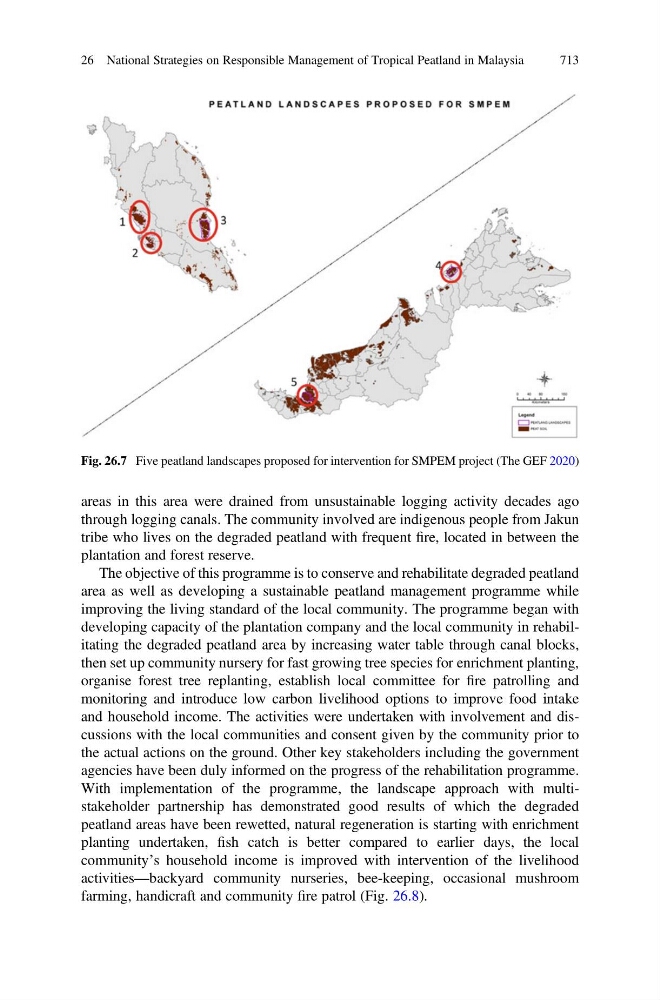
Fig. 26.7 Five peatland landscapes proposed for intervention for SMPEM project (The GEF 2020)
26 National Strategies on Responsible Management of Tropical Peatland in Malaysia
713