

The correlation coefficient of the groundwater level and surface water level
showed that Jajangkit had a more positive value or a stronger correlation compared
to Ulin (Fig. 20.16). This means that the surface water level increase in Jajangkit
canal compared to Ulin canal is closely related to the surrounding groundwater level
and vice versa, especially during rainy season. The highest correlation between
groundwater level and surface water levels occurred in rainy season both in Jajangkit
and Ulin canals, meaning that during rainy season there was a tendency of groundwater level and surface water levels to vary. In A and C areas of Jajangkit, the
correlation of two parameters showed up to 400 m distance from the canal, whereas
in B and D areas, the correlation was still up to 200 m. Meanwhile, the downstream
area (areas G and H) of Ulin revealed a stronger correlation than that of the upstream
area (areas E and F) up to 100 m distance from the canal. It should be noted that,
when move further, the value started to decrease (Fig. 20.16).
During dry season, the correlation coefficient between groundwater level and
surface water levels indicated a weak and even negative value in some locations
away from the canal (Fig. 20.16). Moreover, during dry season, the upstream side
(areas A and B) had more negative correlations than the downstream area (areas C
and D) of Jajangkit. It means that the increase of surface water level due to high tide
during dry season did not contribute much to the groundwater level up to 50 m away
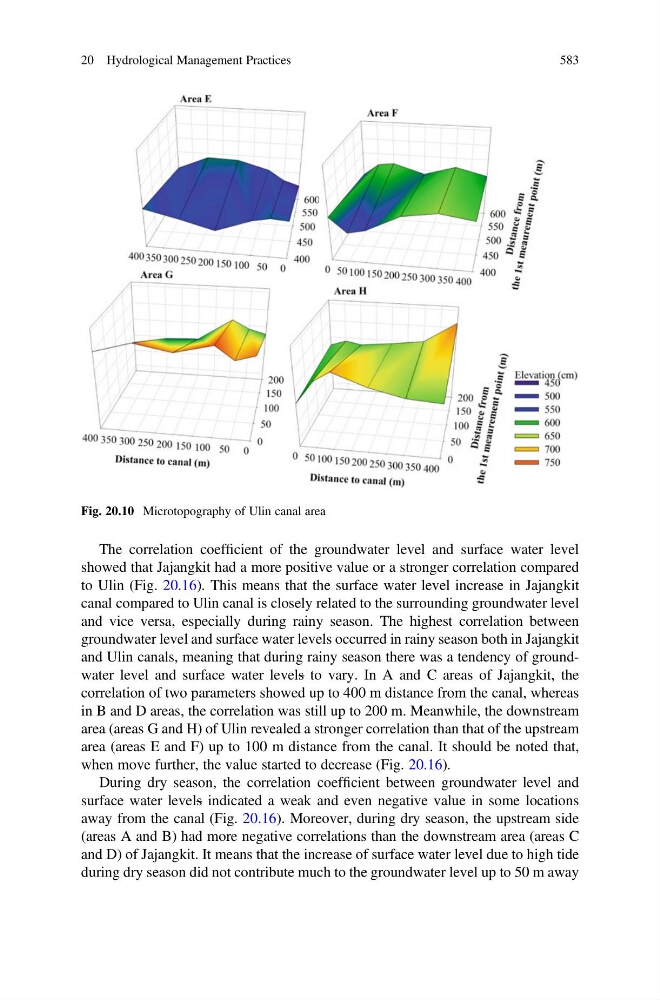
Fig. 20.10 Microtopography of Ulin canal area
20 Hydrological Management Practices
583
showed that Jajangkit had a more positive value or a stronger correlation compared
to Ulin (Fig. 20.16). This means that the surface water level increase in Jajangkit
canal compared to Ulin canal is closely related to the surrounding groundwater level
and vice versa, especially during rainy season. The highest correlation between
groundwater level and surface water levels occurred in rainy season both in Jajangkit
and Ulin canals, meaning that during rainy season there was a tendency of groundwater level and surface water levels to vary. In A and C areas of Jajangkit, the
correlation of two parameters showed up to 400 m distance from the canal, whereas
in B and D areas, the correlation was still up to 200 m. Meanwhile, the downstream
area (areas G and H) of Ulin revealed a stronger correlation than that of the upstream
area (areas E and F) up to 100 m distance from the canal. It should be noted that,
when move further, the value started to decrease (Fig. 20.16).
During dry season, the correlation coefficient between groundwater level and
surface water levels indicated a weak and even negative value in some locations
away from the canal (Fig. 20.16). Moreover, during dry season, the upstream side
(areas A and B) had more negative correlations than the downstream area (areas C
and D) of Jajangkit. It means that the increase of surface water level due to high tide
during dry season did not contribute much to the groundwater level up to 50 m away
Fig. 20.10 Microtopography of Ulin canal area
20 Hydrological Management Practices
583