

1.5.1 Peat Material
As peat matter is composed of carbon fiber that is made of mainly lignin, peat matter
contains very few nutrients and desorbs nutrient ions (rather than adsorbing nutrients), especially under low pH conditions. Peat interacts with water molecules by the
physical van der Waals force which, together with bulk density, determines the soil
water holding capacity. Thus, the main functions of peat are to support plants and
provide water retention in peatlands.
The cation absorption capacity of organic matter (peat soil) is extremely low at
low pH (less than 4.0) (Fig. 1.11). Thus, even if fertilizer is applied to peat soil, all
nutrients, especially K
+
, leach immediately through desorption mechanisms. As K
+
is always in ionic form (does not form compounds), it leaches easily. As other
nutrients are absorbed to some extent by microorganisms and form chemical compounds, the chemical compounds are retained and decompose slowly in peat.
Additionally, organic matter is given a charge by COOH
À , and anionic (negative
charge) compounds adsorb slightly to organic matter.
1.5.2 Water
In water in peatland ecosystems, nutrients and oxygen are serious limiting factors.
Peatland water is supplied mainly from rain, the nutrient supply is very low, and
nutrients leach gradually due to rain (pH 5.6, acidic).
As the oxygen solubility in water is extremely low, plant roots cannot absorb
nutrients because the nutrient absorption process depends on respiratory energy,
which depends on an O 2 supply outside of the roots. Additionally, nodulation and N 2
fixation by legume plants strongly depend on oxygen.
Peat Material
-Carbon Fiber (mainly lignin)
Water
-Low Nutrient Content
-Low Oxygen Content
-High Humic Acid content
Peatland
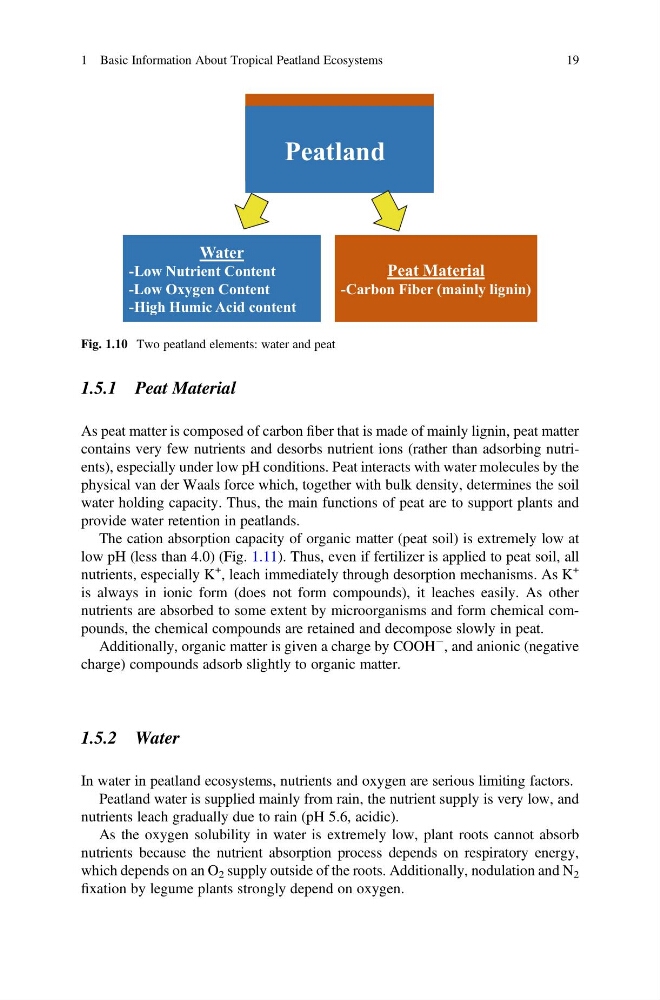
Fig. 1.10 Two peatland elements: water and peat
1 Basic Information About Tropical Peatland Ecosystems
19
As peat matter is composed of carbon fiber that is made of mainly lignin, peat matter
contains very few nutrients and desorbs nutrient ions (rather than adsorbing nutrients), especially under low pH conditions. Peat interacts with water molecules by the
physical van der Waals force which, together with bulk density, determines the soil
water holding capacity. Thus, the main functions of peat are to support plants and
provide water retention in peatlands.
The cation absorption capacity of organic matter (peat soil) is extremely low at
low pH (less than 4.0) (Fig. 1.11). Thus, even if fertilizer is applied to peat soil, all
nutrients, especially K
+
, leach immediately through desorption mechanisms. As K
+
is always in ionic form (does not form compounds), it leaches easily. As other
nutrients are absorbed to some extent by microorganisms and form chemical compounds, the chemical compounds are retained and decompose slowly in peat.
Additionally, organic matter is given a charge by COOH
À , and anionic (negative
charge) compounds adsorb slightly to organic matter.
1.5.2 Water
In water in peatland ecosystems, nutrients and oxygen are serious limiting factors.
Peatland water is supplied mainly from rain, the nutrient supply is very low, and
nutrients leach gradually due to rain (pH 5.6, acidic).
As the oxygen solubility in water is extremely low, plant roots cannot absorb
nutrients because the nutrient absorption process depends on respiratory energy,
which depends on an O 2 supply outside of the roots. Additionally, nodulation and N 2
fixation by legume plants strongly depend on oxygen.
Peat Material
-Carbon Fiber (mainly lignin)
Water
-Low Nutrient Content
-Low Oxygen Content
-High Humic Acid content
Peatland
Fig. 1.10 Two peatland elements: water and peat
1 Basic Information About Tropical Peatland Ecosystems
19