

16
A. Olszewska-Guizzo
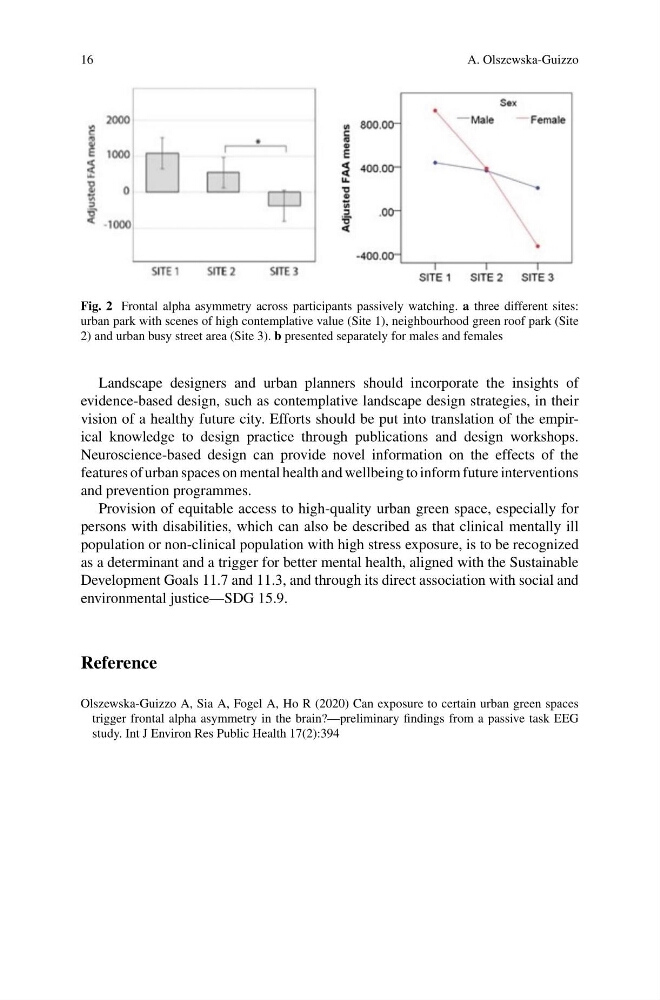
Fig. 2 Frontal alpha asymmetry across participants passively watching. a three different sites:
urban park with scenes of high contemplative value (Site 1), neighbourhood green roof park (Site
2) and urban busy street area (Site 3). b presented separately for males and females
Landscape designers and urban planners should incorporate the insights of
evidence-based design, such as contemplative landscape design strategies, in their
vision of a healthy future city. Efforts should be put into translation of the empirical knowledge to design practice through publications and design workshops.
Neuroscience-based design can provide novel information on the effects of the
features of urban spaces on mental health and wellbeing to inform future interventions
and prevention programmes.
Provision of equitable access to high-quality urban green space, especially for
persons with disabilities, which can also be described as that clinical mentally ill
population or non-clinical population with high stress exposure, is to be recognized
as a determinant and a trigger for better mental health, aligned with the Sustainable
Development Goals 11.7 and 11.3, and through its direct association with social and
environmental justice—SDG 15.9.
Reference
Olszewska-Guizzo A, Sia A, Fogel A, Ho R (2020) Can exposure to certain urban green spaces
trigger frontal alpha asymmetry in the brain?—preliminary findings from a passive task EEG
study. Int J Environ Res Public Health 17(2):394
A. Olszewska-Guizzo
Fig. 2 Frontal alpha asymmetry across participants passively watching. a three different sites:
urban park with scenes of high contemplative value (Site 1), neighbourhood green roof park (Site
2) and urban busy street area (Site 3). b presented separately for males and females
Landscape designers and urban planners should incorporate the insights of
evidence-based design, such as contemplative landscape design strategies, in their
vision of a healthy future city. Efforts should be put into translation of the empirical knowledge to design practice through publications and design workshops.
Neuroscience-based design can provide novel information on the effects of the
features of urban spaces on mental health and wellbeing to inform future interventions
and prevention programmes.
Provision of equitable access to high-quality urban green space, especially for
persons with disabilities, which can also be described as that clinical mentally ill
population or non-clinical population with high stress exposure, is to be recognized
as a determinant and a trigger for better mental health, aligned with the Sustainable
Development Goals 11.7 and 11.3, and through its direct association with social and
environmental justice—SDG 15.9.
Reference
Olszewska-Guizzo A, Sia A, Fogel A, Ho R (2020) Can exposure to certain urban green spaces
trigger frontal alpha asymmetry in the brain?—preliminary findings from a passive task EEG
study. Int J Environ Res Public Health 17(2):394