

Neuroscience-Based Urban Design for Mentally Healthy Cities
15
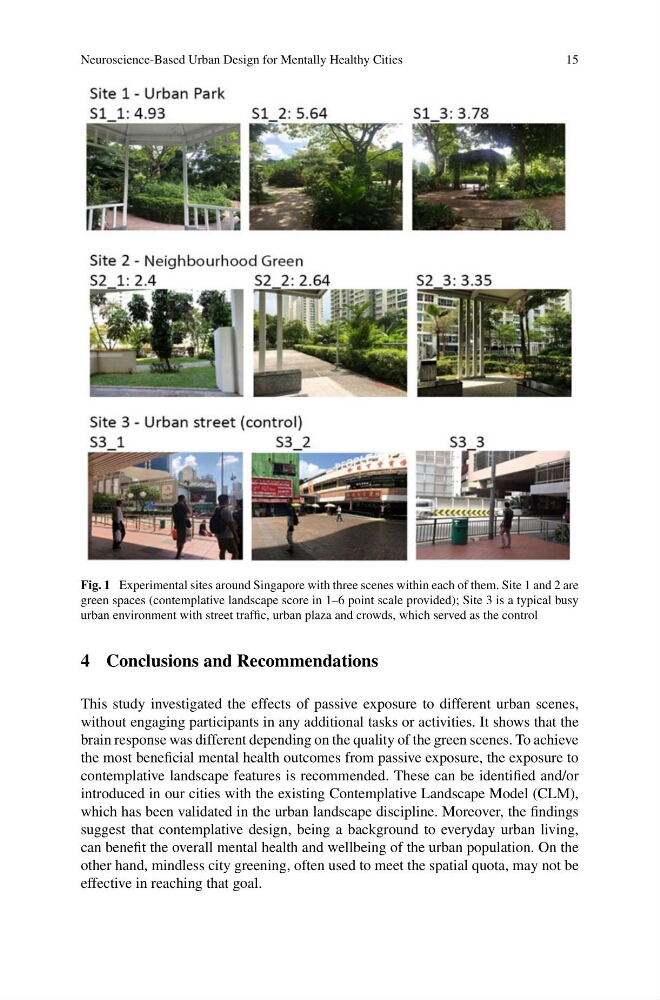
Fig. 1 Experimental sites around Singapore with three scenes within each of them. Site 1 and 2 are
green spaces (contemplative landscape score in 1–6 point scale provided); Site 3 is a typical busy
urban environment with street traffic, urban plaza and crowds, which served as the control
4 Conclusions and Recommendations
This study investigated the effects of passive exposure to different urban scenes,
without engaging participants in any additional tasks or activities. It shows that the
brain response was different depending on the quality of the green scenes. To achieve
the most beneficial mental health outcomes from passive exposure, the exposure to
contemplative landscape features is recommended. These can be identified and/or
introduced in our cities with the existing Contemplative Landscape Model (CLM),
which has been validated in the urban landscape discipline. Moreover, the findings
suggest that contemplative design, being a background to everyday urban living,
can benefit the overall mental health and wellbeing of the urban population. On the
other hand, mindless city greening, often used to meet the spatial quota, may not be
effective in reaching that goal.
15
Fig. 1 Experimental sites around Singapore with three scenes within each of them. Site 1 and 2 are
green spaces (contemplative landscape score in 1–6 point scale provided); Site 3 is a typical busy
urban environment with street traffic, urban plaza and crowds, which served as the control
4 Conclusions and Recommendations
This study investigated the effects of passive exposure to different urban scenes,
without engaging participants in any additional tasks or activities. It shows that the
brain response was different depending on the quality of the green scenes. To achieve
the most beneficial mental health outcomes from passive exposure, the exposure to
contemplative landscape features is recommended. These can be identified and/or
introduced in our cities with the existing Contemplative Landscape Model (CLM),
which has been validated in the urban landscape discipline. Moreover, the findings
suggest that contemplative design, being a background to everyday urban living,
can benefit the overall mental health and wellbeing of the urban population. On the
other hand, mindless city greening, often used to meet the spatial quota, may not be
effective in reaching that goal.