

8 Accelerator Engineering and Technology: Accelerator Technology
475
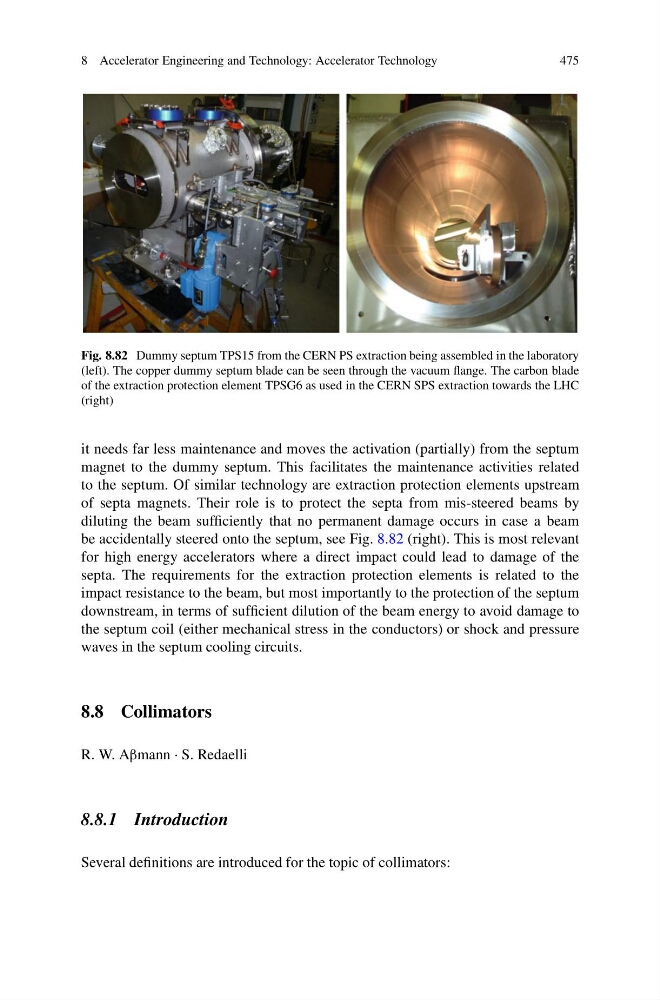
Fig. 8.82 Dummy septum TPS15 from the CERN PS extraction being assembled in the laboratory
(left). The copper dummy septum blade can be seen through the vacuum flange. The carbon blade
of the extraction protection element TPSG6 as used in the CERN SPS extraction towards the LHC
(right)
it needs far less maintenance and moves the activation (partially) from the septum
magnet to the dummy septum. This facilitates the maintenance activities related
to the septum. Of similar technology are extraction protection elements upstream
of septa magnets. Their role is to protect the septa from mis-steered beams by
diluting the beam sufficiently that no permanent damage occurs in case a beam
be accidentally steered onto the septum, see Fig. 8.82 (right). This is most relevant
for high energy accelerators where a direct impact could lead to damage of the
septa. The requirements for the extraction protection elements is related to the
impact resistance to the beam, but most importantly to the protection of the septum
downstream, in terms of sufficient dilution of the beam energy to avoid damage to
the septum coil (either mechanical stress in the conductors) or shock and pressure
waves in the septum cooling circuits.
8.8 Collimators
R. W. Aβmann · S. Redaelli
8.8.1 Introduction
Several definitions are introduced for the topic of collimators:
475
Fig. 8.82 Dummy septum TPS15 from the CERN PS extraction being assembled in the laboratory
(left). The copper dummy septum blade can be seen through the vacuum flange. The carbon blade
of the extraction protection element TPSG6 as used in the CERN SPS extraction towards the LHC
(right)
it needs far less maintenance and moves the activation (partially) from the septum
magnet to the dummy septum. This facilitates the maintenance activities related
to the septum. Of similar technology are extraction protection elements upstream
of septa magnets. Their role is to protect the septa from mis-steered beams by
diluting the beam sufficiently that no permanent damage occurs in case a beam
be accidentally steered onto the septum, see Fig. 8.82 (right). This is most relevant
for high energy accelerators where a direct impact could lead to damage of the
septa. The requirements for the extraction protection elements is related to the
impact resistance to the beam, but most importantly to the protection of the septum
downstream, in terms of sufficient dilution of the beam energy to avoid damage to
the septum coil (either mechanical stress in the conductors) or shock and pressure
waves in the septum cooling circuits.
8.8 Collimators
R. W. Aβmann · S. Redaelli
8.8.1 Introduction
Several definitions are introduced for the topic of collimators: