

negative effect on the performance of agricultural system. And finally, it is essential
to examine which AWCB are right and available for valorization (AgroCycle 2017).
4.2 Optimal Use of All Biomass
Van Zanten et al. (2019) specify that the use farm animals contributes to circular
food systems. They introduced the biophysical concepts of circularity in the food
systems and determined that the basic building block of circular food systems is
plant biomass (see Fig. 4.3).
Based on Fig. 4.3, arable land is used for the production of nutritious food from
plant biomass. Biomass that is not fit for human consumption is used as animal feed
through recycling. To provide soil fertility, by-products and manures, like food
waste, animal and human excreta, and crop residues, are used. In fact, by-products
are produced during the production and consumption of foods from plant material
(Van Zanten et al. 2019). As mentioned earlier, these by-products are either edible or
inedible for humans (Halloran et al. 2014). To apply circularity in food systems, we
need to prevent by-products that humans can consume by reusing them as food for
people. Finally, unavoidable edible and inedible by-products should be recycled to
fertilize soil or feed animals. Through this process, not only can we use the
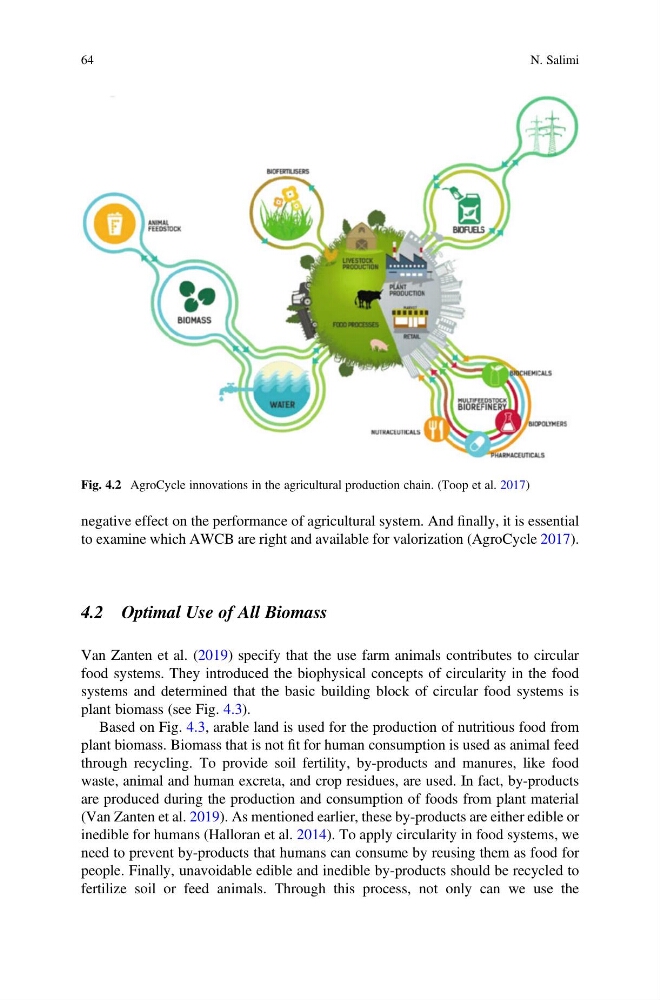
Fig. 4.2 AgroCycle innovations in the agricultural production chain. (Toop et al. 2017)
64
N. Salimi
to examine which AWCB are right and available for valorization (AgroCycle 2017).
4.2 Optimal Use of All Biomass
Van Zanten et al. (2019) specify that the use farm animals contributes to circular
food systems. They introduced the biophysical concepts of circularity in the food
systems and determined that the basic building block of circular food systems is
plant biomass (see Fig. 4.3).
Based on Fig. 4.3, arable land is used for the production of nutritious food from
plant biomass. Biomass that is not fit for human consumption is used as animal feed
through recycling. To provide soil fertility, by-products and manures, like food
waste, animal and human excreta, and crop residues, are used. In fact, by-products
are produced during the production and consumption of foods from plant material
(Van Zanten et al. 2019). As mentioned earlier, these by-products are either edible or
inedible for humans (Halloran et al. 2014). To apply circularity in food systems, we
need to prevent by-products that humans can consume by reusing them as food for
people. Finally, unavoidable edible and inedible by-products should be recycled to
fertilize soil or feed animals. Through this process, not only can we use the
Fig. 4.2 AgroCycle innovations in the agricultural production chain. (Toop et al. 2017)
64
N. Salimi