

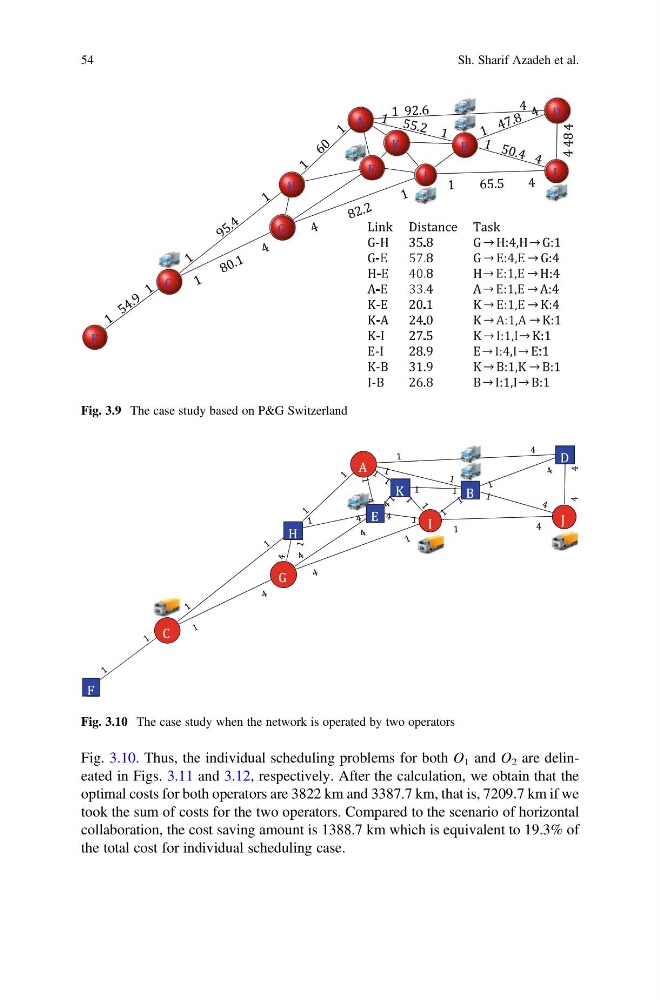
Fig. 3.10. Thus, the individual scheduling problems for both O 1 and O 2 are delineated in Figs. 3.11 and 3.12, respectively. After the calculation, we obtain that the
optimal costs for both operators are 3822 km and 3387.7 km, that is, 7209.7 km if we
took the sum of costs for the two operators. Compared to the scenario of horizontal
collaboration, the cost saving amount is 1388.7 km which is equivalent to 19.3% of
the total cost for individual scheduling case.
Fig. 3.9 The case study based on P&G Switzerland
Fig. 3.10 The case study when the network is operated by two operators
54
Sh. Sharif Azadeh et al.
optimal costs for both operators are 3822 km and 3387.7 km, that is, 7209.7 km if we
took the sum of costs for the two operators. Compared to the scenario of horizontal
collaboration, the cost saving amount is 1388.7 km which is equivalent to 19.3% of
the total cost for individual scheduling case.
Fig. 3.9 The case study based on P&G Switzerland
Fig. 3.10 The case study when the network is operated by two operators
54
Sh. Sharif Azadeh et al.