

A second case involves the most recent analyses of a Dutch variable road pricing
scheme (MuConsult 2018). This study involved the use of expert judgement and the
Dutch national freight transport model, BASGOED, for the assessment of impacts
on transport flows. It was assumed that part of the charges would be absorbed by
efficiency improvements in the logistics process, without detailed consideration of
the background of these changes. The remaining part of the charges would propagate
to the shippers and lead to changes in mode choice and trade patterns, similar as in
the EU case. The idea that carriers would work more efficiently in response to the
charges was based on the assumption that they would use larger trucks and transport
bigger shipments. This conforms to the EOQ principle, which dictates that firms will
order bigger shipments to reduce the costs of transport. The choice of shipment size,
however, was not part of the model. In an additional exercise (De Bok et al. 2019),
this effect was studied simultaneously with the choice of vehicle type. The finding
was that the efficiency effect indeed existed, but was less prominent than assumed
before. Increasing shipments create larger inventory costs for firms and will therefore
restrain the increase of shipment size.
7 Global Supply Chains
At the global level, decarbonization through pricing is a major challenge, due to
international competition. Choices made in response to pricing policy by consumers,
producers and logistics service providers may lead to shifts in trade or transport
activities from one country to another. A policy where countries price differently,
and some not at all, may induce shifts of activities to so-called pollution havens.
There have been few evaluations of a worldwide pricing policy on global trade and
transport (Lee et al. 2013; Zeshan and Ko 2016); these have not considered impacts
of a full internalization on both trade, economy and network flows. The policy
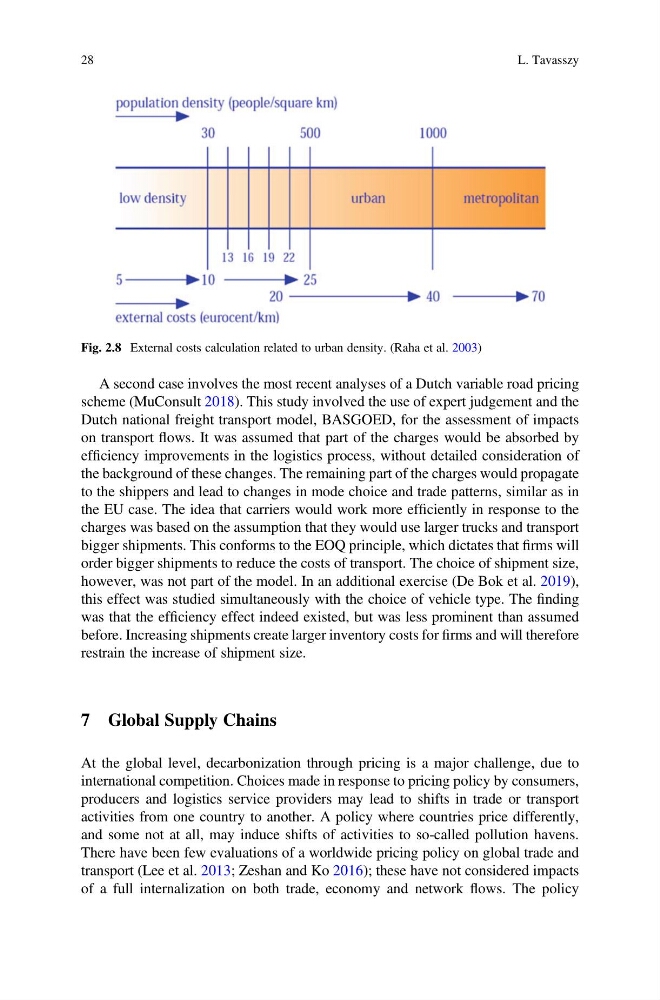
Fig. 2.8 External costs calculation related to urban density. (Raha et al. 2003)
28
L. Tavasszy
scheme (MuConsult 2018). This study involved the use of expert judgement and the
Dutch national freight transport model, BASGOED, for the assessment of impacts
on transport flows. It was assumed that part of the charges would be absorbed by
efficiency improvements in the logistics process, without detailed consideration of
the background of these changes. The remaining part of the charges would propagate
to the shippers and lead to changes in mode choice and trade patterns, similar as in
the EU case. The idea that carriers would work more efficiently in response to the
charges was based on the assumption that they would use larger trucks and transport
bigger shipments. This conforms to the EOQ principle, which dictates that firms will
order bigger shipments to reduce the costs of transport. The choice of shipment size,
however, was not part of the model. In an additional exercise (De Bok et al. 2019),
this effect was studied simultaneously with the choice of vehicle type. The finding
was that the efficiency effect indeed existed, but was less prominent than assumed
before. Increasing shipments create larger inventory costs for firms and will therefore
restrain the increase of shipment size.
7 Global Supply Chains
At the global level, decarbonization through pricing is a major challenge, due to
international competition. Choices made in response to pricing policy by consumers,
producers and logistics service providers may lead to shifts in trade or transport
activities from one country to another. A policy where countries price differently,
and some not at all, may induce shifts of activities to so-called pollution havens.
There have been few evaluations of a worldwide pricing policy on global trade and
transport (Lee et al. 2013; Zeshan and Ko 2016); these have not considered impacts
of a full internalization on both trade, economy and network flows. The policy
Fig. 2.8 External costs calculation related to urban density. (Raha et al. 2003)
28
L. Tavasszy