

sensors, and environmental remediation (Thangamuthu et al. 2019; Novoselov et al.
2004, 2005). Graphene derivatives such as graphene oxide (GO) and reduced
graphene oxide (RGO) are high performance carbon materials which has high
specific surface area and rich functional groups on its surface (Geim 2009; Allen
et al. 2010; Patel et al. 2019; Pei and Cheng 2012; Mauter and Elimelech 2008)
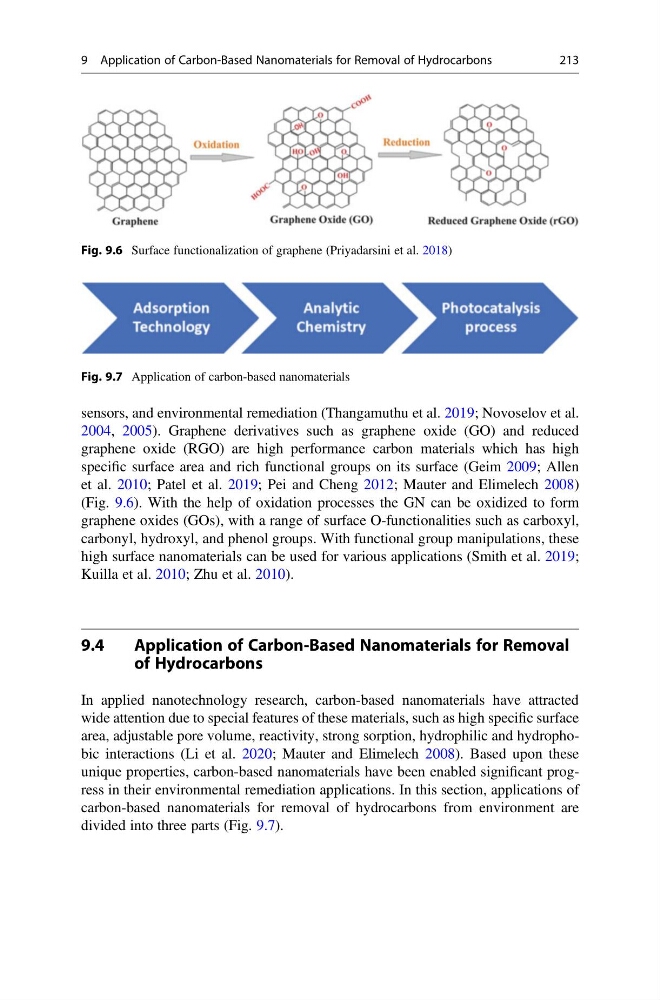
(Fig. 9.6). With the help of oxidation processes the GN can be oxidized to form
graphene oxides (GOs), with a range of surface O-functionalities such as carboxyl,
carbonyl, hydroxyl, and phenol groups. With functional group manipulations, these
high surface nanomaterials can be used for various applications (Smith et al. 2019;
Kuilla et al. 2010; Zhu et al. 2010).
9.4
Application of Carbon-Based Nanomaterials for Removal
of Hydrocarbons
In applied nanotechnology research, carbon-based nanomaterials have attracted
wide attention due to special features of these materials, such as high specific surface
area, adjustable pore volume, reactivity, strong sorption, hydrophilic and hydrophobic interactions (Li et al. 2020; Mauter and Elimelech 2008). Based upon these
unique properties, carbon-based nanomaterials have been enabled significant progress in their environmental remediation applications. In this section, applications of
carbon-based nanomaterials for removal of hydrocarbons from environment are
divided into three parts (Fig. 9.7).
Fig. 9.6 Surface functionalization of graphene (Priyadarsini et al. 2018)
Fig. 9.7 Application of carbon-based nanomaterials
9 Application of Carbon-Based Nanomaterials for Removal of Hydrocarbons
213
2004, 2005). Graphene derivatives such as graphene oxide (GO) and reduced
graphene oxide (RGO) are high performance carbon materials which has high
specific surface area and rich functional groups on its surface (Geim 2009; Allen
et al. 2010; Patel et al. 2019; Pei and Cheng 2012; Mauter and Elimelech 2008)
(Fig. 9.6). With the help of oxidation processes the GN can be oxidized to form
graphene oxides (GOs), with a range of surface O-functionalities such as carboxyl,
carbonyl, hydroxyl, and phenol groups. With functional group manipulations, these
high surface nanomaterials can be used for various applications (Smith et al. 2019;
Kuilla et al. 2010; Zhu et al. 2010).
9.4
Application of Carbon-Based Nanomaterials for Removal
of Hydrocarbons
In applied nanotechnology research, carbon-based nanomaterials have attracted
wide attention due to special features of these materials, such as high specific surface
area, adjustable pore volume, reactivity, strong sorption, hydrophilic and hydrophobic interactions (Li et al. 2020; Mauter and Elimelech 2008). Based upon these
unique properties, carbon-based nanomaterials have been enabled significant progress in their environmental remediation applications. In this section, applications of
carbon-based nanomaterials for removal of hydrocarbons from environment are
divided into three parts (Fig. 9.7).
Fig. 9.6 Surface functionalization of graphene (Priyadarsini et al. 2018)
Fig. 9.7 Application of carbon-based nanomaterials
9 Application of Carbon-Based Nanomaterials for Removal of Hydrocarbons
213