

difficult to maintain and apply. It is however much wise and easy to prevent such
water contaminating activities on prior basis. The pollutants in waters can broadly be
classified into synthetic as well as biological pollutants (Sharma and Bhattacharya
2017). With recent advancements in industrial processes, synthetic pollutants hold
the maximum share of water pollution in terms of toxicity as well as its quantity in
the aquatic environment. However, the impact of organic matter can also not be
neglected; such organic material which decomposes in aquatic region consumes
oxygen and hence decreases its oxygen levels, creating a low oxygen aquatic region
for the living aquatic beings such as fish. The excess nitrates used in crops result in
growth of algae (Venkateswarlu 1969) and therefore harm the aquatic beings by
preventing the proper exposure of sunlight to the plants deep inside the aquatic
region. In this chapter various types of water pollution and their impact on aquatic
ecology have been discussed in detail. Some methods and means to reduce and treat
such activities have also been discussed.
In recent years, the increasing toxic effects of solid waste have not only degraded
the quality of land but have also affected the health of living being by disturbing the
ecosystem. Excessive use of fertilizers and e-waste has raised concerns over our
ability to even sustain a healthy life for our future generations. Therefore, it is
essential in this era of rapid industrial growth to dispose such waste effectively
and quickly to reduce its toxic effects on our precious land which is limited in size.
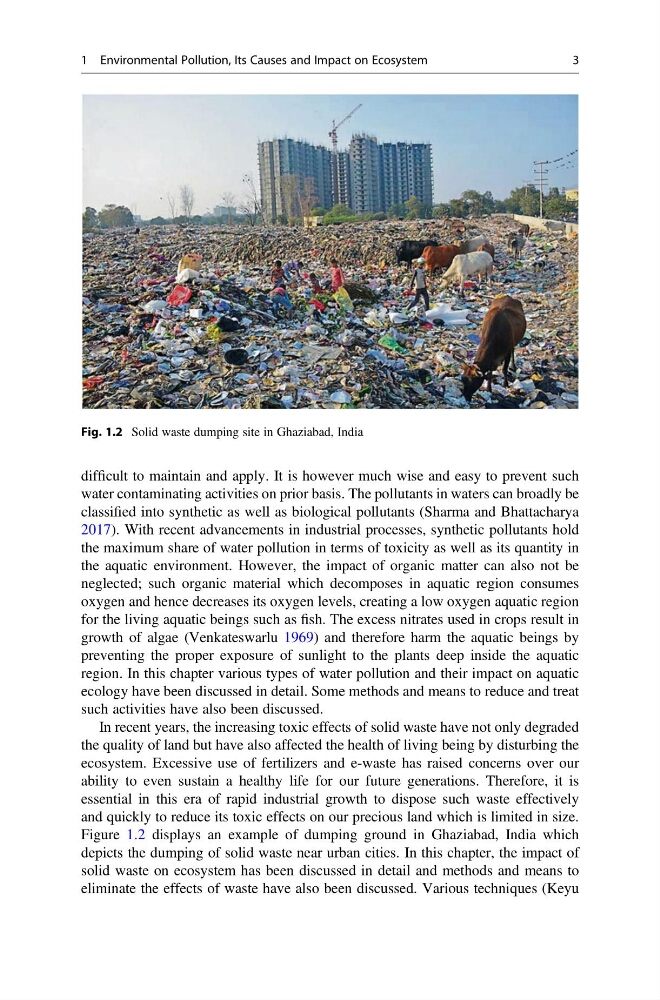
Figure 1.2 displays an example of dumping ground in Ghaziabad, India which
depicts the dumping of solid waste near urban cities. In this chapter, the impact of
solid waste on ecosystem has been discussed in detail and methods and means to
eliminate the effects of waste have also been discussed. Various techniques (Keyu
Fig. 1.2 Solid waste dumping site in Ghaziabad, India
1 Environmental Pollution, Its Causes and Impact on Ecosystem
3
water contaminating activities on prior basis. The pollutants in waters can broadly be
classified into synthetic as well as biological pollutants (Sharma and Bhattacharya
2017). With recent advancements in industrial processes, synthetic pollutants hold
the maximum share of water pollution in terms of toxicity as well as its quantity in
the aquatic environment. However, the impact of organic matter can also not be
neglected; such organic material which decomposes in aquatic region consumes
oxygen and hence decreases its oxygen levels, creating a low oxygen aquatic region
for the living aquatic beings such as fish. The excess nitrates used in crops result in
growth of algae (Venkateswarlu 1969) and therefore harm the aquatic beings by
preventing the proper exposure of sunlight to the plants deep inside the aquatic
region. In this chapter various types of water pollution and their impact on aquatic
ecology have been discussed in detail. Some methods and means to reduce and treat
such activities have also been discussed.
In recent years, the increasing toxic effects of solid waste have not only degraded
the quality of land but have also affected the health of living being by disturbing the
ecosystem. Excessive use of fertilizers and e-waste has raised concerns over our
ability to even sustain a healthy life for our future generations. Therefore, it is
essential in this era of rapid industrial growth to dispose such waste effectively
and quickly to reduce its toxic effects on our precious land which is limited in size.
Figure 1.2 displays an example of dumping ground in Ghaziabad, India which
depicts the dumping of solid waste near urban cities. In this chapter, the impact of
solid waste on ecosystem has been discussed in detail and methods and means to
eliminate the effects of waste have also been discussed. Various techniques (Keyu
Fig. 1.2 Solid waste dumping site in Ghaziabad, India
1 Environmental Pollution, Its Causes and Impact on Ecosystem
3