

304
Using LCA, the environmental burdens from a product, process, or activity via
materials and energy balances can be defined and reduced as well as the waste discharges, its impacts on the environment, and the environmental improvement opportunities over the whole life cycle [67]. This holistic LCA approach in decision-making
over other environmental assessment approaches includes all the burdens and
impacts, and focuses on the emissions and wastes generated [15].
Muñoz et al. [234] carried out a LCA based on the two pilot plants of INETI and
PSA, which treated 1 m
3
of methyphenylglycerine (MPG) to destroy nonbiodegradable and toxic compounds to a level that met the quality of aquatic ecosystems with
both homogeneous photo-Fenton and heterogeneous photocatalysis. Other technically rational assumptions were also made to facilitate the estimation of energy and
materials consumed and produced. Nine impact categories of the possible largescale photocatalytic water treatment process were included in the analysis, namely
global warming potential, ozone depletion potential, human toxicity potential,
freshwater aquatic toxicity potential, photochemical oxidant formation potential,
acidification potential, eutrophication potential, nonrenewable energy consumption,
and land use.
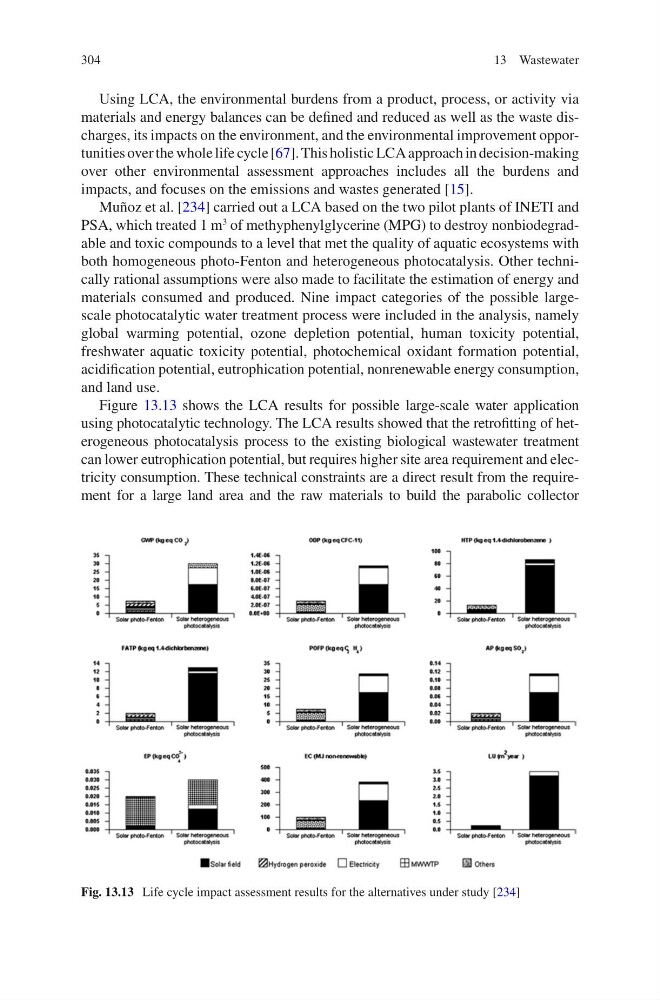
Figure 13.13 shows the LCA results for possible large-scale water application
using photocatalytic technology. The LCA results showed that the retrofitting of heterogeneous photocatalysis process to the existing biological wastewater treatment
can lower eutrophication potential, but requires higher site area requirement and electricity consumption. These technical constraints are a direct result from the requirement for a large land area and the raw materials to build the parabolic collector
Fig. 13.13 Life cycle impact assessment results for the alternatives under study [234]
13 Wastewater
Using LCA, the environmental burdens from a product, process, or activity via
materials and energy balances can be defined and reduced as well as the waste discharges, its impacts on the environment, and the environmental improvement opportunities over the whole life cycle [67]. This holistic LCA approach in decision-making
over other environmental assessment approaches includes all the burdens and
impacts, and focuses on the emissions and wastes generated [15].
Muñoz et al. [234] carried out a LCA based on the two pilot plants of INETI and
PSA, which treated 1 m
3
of methyphenylglycerine (MPG) to destroy nonbiodegradable and toxic compounds to a level that met the quality of aquatic ecosystems with
both homogeneous photo-Fenton and heterogeneous photocatalysis. Other technically rational assumptions were also made to facilitate the estimation of energy and
materials consumed and produced. Nine impact categories of the possible largescale photocatalytic water treatment process were included in the analysis, namely
global warming potential, ozone depletion potential, human toxicity potential,
freshwater aquatic toxicity potential, photochemical oxidant formation potential,
acidification potential, eutrophication potential, nonrenewable energy consumption,
and land use.
Figure 13.13 shows the LCA results for possible large-scale water application
using photocatalytic technology. The LCA results showed that the retrofitting of heterogeneous photocatalysis process to the existing biological wastewater treatment
can lower eutrophication potential, but requires higher site area requirement and electricity consumption. These technical constraints are a direct result from the requirement for a large land area and the raw materials to build the parabolic collector
Fig. 13.13 Life cycle impact assessment results for the alternatives under study [234]
13 Wastewater