

266
In terms of rate determination, the overall rate of reaction is equal to the slowest
step. When the mass transfer steps (1 and 5) are very fast compared with the reaction steps (2, 3, and 4), the organic concentrations in the immediate vicinity of the
active sites are indistinguishable from those in the bulk liquid phase. In this scene,
the mass transfer steps are not rate limiting and do not affect the overall rate of photocatalytic reaction. Vinodgopal and Kamat [317] reported the dependence of the
photodegradation rate of the organic surrogate on surface coverage of the photocatalysts used. This outlines the importance of molecule adsorption or surface contact
with the catalyst during the photocatalytic degradation. If the mass transfer steps are
rate limiting, a change in the aeration or liquid flow conditions past the TiO 2 photocatalyst may alter the overall photocatalytic reaction rate.
Similarly, the surface interaction of microorganisms with the catalyst used during the photo-disinfection is essential for enhancing the inactivation rate. When the
generated ROS contacts closely with the microorganisms, the cell wall will be the
initial site of attack [207]. The lipopolysaccharide layer of the cell external wall is
the initial site attacked by the photoinduced ROS. This is followed by the site attack
on the peptidoglycan layer, peroxidation of the lipid membrane, and eventual oxidation on the protein membrane. All these will cause a rapid leakage of potassium ions
from the bacterial cells, resulting in direct reduction of cell viability. The decrease
in cell viability is usually linked to the peroxidation of polyunsaturated phospholipid components of the cell membrane (i.e., loss of essential cell functions) and
eventually leads to cell death. The formation of oxidative stress and its effects on the
cell membrane can be observed using advanced atomic force microscopy or attenuated total reflection Fourier transform infrared spectroscopy. The rate of adsorption
and the eventual photoinactivation is known to positively correlate to the bactericidal effect of TiO 2 catalyst. In this instance, the transfer of bacterial cell to the close
vicinity of the surface-generated ROS site remains as the rate-limiting step in the
photo-disinfection reaction.
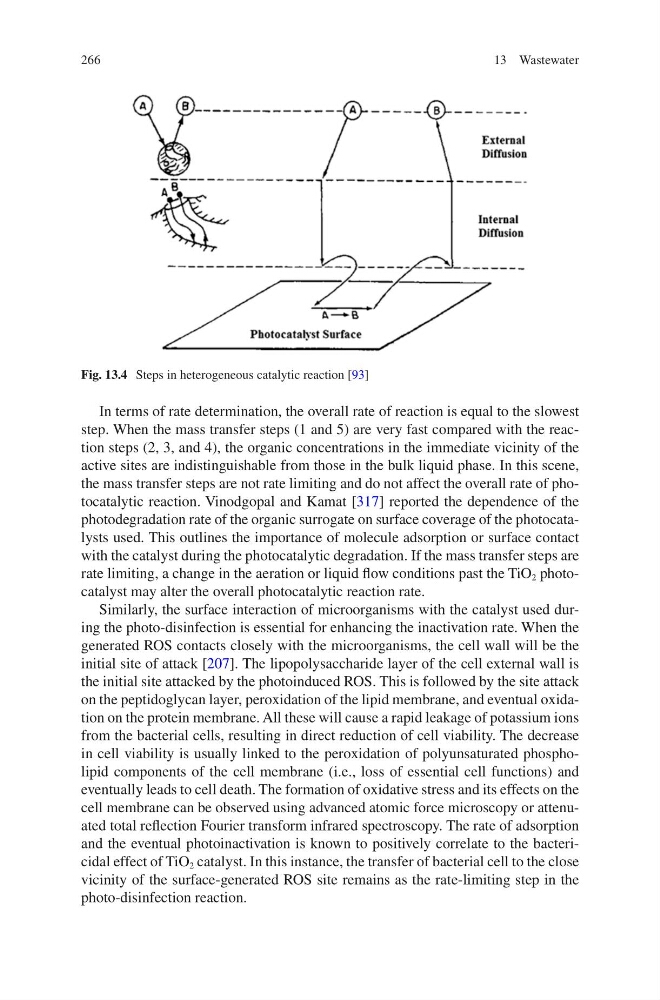
Fig. 13.4 Steps in heterogeneous catalytic reaction [93]
13 Wastewater
In terms of rate determination, the overall rate of reaction is equal to the slowest
step. When the mass transfer steps (1 and 5) are very fast compared with the reaction steps (2, 3, and 4), the organic concentrations in the immediate vicinity of the
active sites are indistinguishable from those in the bulk liquid phase. In this scene,
the mass transfer steps are not rate limiting and do not affect the overall rate of photocatalytic reaction. Vinodgopal and Kamat [317] reported the dependence of the
photodegradation rate of the organic surrogate on surface coverage of the photocatalysts used. This outlines the importance of molecule adsorption or surface contact
with the catalyst during the photocatalytic degradation. If the mass transfer steps are
rate limiting, a change in the aeration or liquid flow conditions past the TiO 2 photocatalyst may alter the overall photocatalytic reaction rate.
Similarly, the surface interaction of microorganisms with the catalyst used during the photo-disinfection is essential for enhancing the inactivation rate. When the
generated ROS contacts closely with the microorganisms, the cell wall will be the
initial site of attack [207]. The lipopolysaccharide layer of the cell external wall is
the initial site attacked by the photoinduced ROS. This is followed by the site attack
on the peptidoglycan layer, peroxidation of the lipid membrane, and eventual oxidation on the protein membrane. All these will cause a rapid leakage of potassium ions
from the bacterial cells, resulting in direct reduction of cell viability. The decrease
in cell viability is usually linked to the peroxidation of polyunsaturated phospholipid components of the cell membrane (i.e., loss of essential cell functions) and
eventually leads to cell death. The formation of oxidative stress and its effects on the
cell membrane can be observed using advanced atomic force microscopy or attenuated total reflection Fourier transform infrared spectroscopy. The rate of adsorption
and the eventual photoinactivation is known to positively correlate to the bactericidal effect of TiO 2 catalyst. In this instance, the transfer of bacterial cell to the close
vicinity of the surface-generated ROS site remains as the rate-limiting step in the
photo-disinfection reaction.
Fig. 13.4 Steps in heterogeneous catalytic reaction [93]
13 Wastewater