

known as cold acclimatization – is a complicated response to stress, which involves a
complex cross-link between signal transduction and gene expression. In Arabidopsis
thaliana, cold acclimatization involves rapid, cold-induced expression of transcriptional activators, followed by expression of genes that are mobilized in response to
cold stress. Most fruit species suffer from a negative low-temperature effect when
stored in a refrigerator (0 to 7
C). Prunus spp., including Prunus persica (L.) Batsch,
are highly susceptible to chilling stress (overcooling). The main symptoms of overcooling injuries in peach fruits are dehydration (lack of juice), browning or redness of
the mesocarp, sharpness or fleshiness of the flesh. Peach cooling symptoms develop
during storage at room temperature after prolonged refrigeration storage [38].
Temperature is also one of the most important factors for maintaining the quality
of peaches after harvesting. Some of the metabolic activities such as maturation and
degradation of substances decrease by decreasing the temperatures. However, the
injuries caused by the low temperatures deteriorates significantly the quality of the
fruit during storage and the shelf life is limited. The emergence of cooling damage is
often associated with oxidative stress due to increased production of reactive oxygen
species such as superoxide anion (O
2À ), hydrogen peroxide (H 2 O 2 ), hydroxyl
radical, nitric oxide, and peroxynitrite. Oxidative damage is considered an early
response to sensitive tissues to cooling. If the production of ROS increases dramatically, as happens under stress in the environment, the hydroxyl radical reacts with
membrane lipids, resulting in lipid peroxidation and membrane destruction.
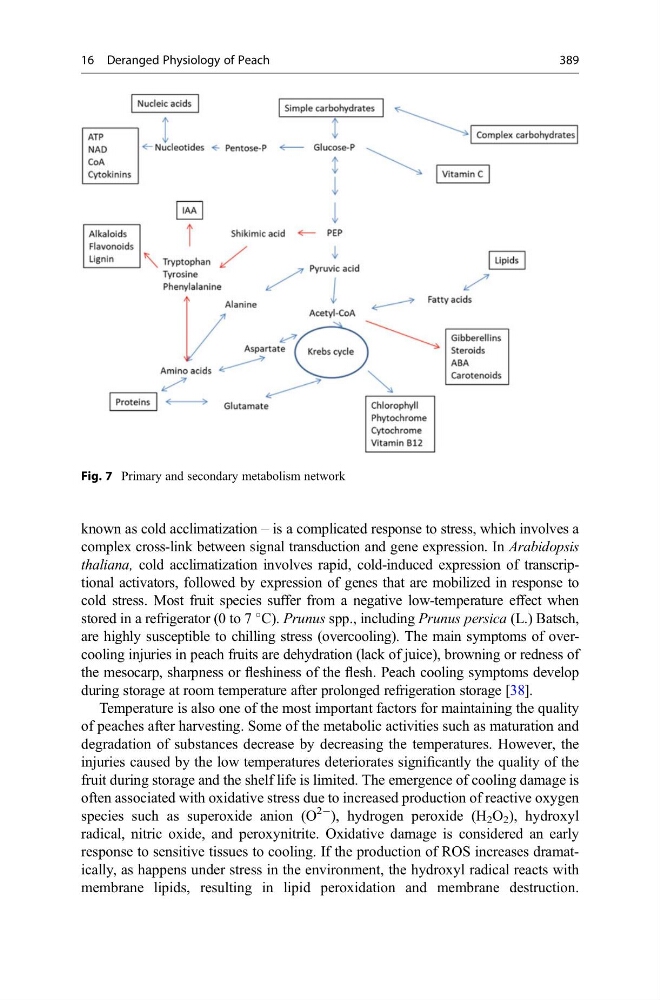
Fig. 7 Primary and secondary metabolism network
16 Deranged Physiology of Peach
389
complex cross-link between signal transduction and gene expression. In Arabidopsis
thaliana, cold acclimatization involves rapid, cold-induced expression of transcriptional activators, followed by expression of genes that are mobilized in response to
cold stress. Most fruit species suffer from a negative low-temperature effect when
stored in a refrigerator (0 to 7
C). Prunus spp., including Prunus persica (L.) Batsch,
are highly susceptible to chilling stress (overcooling). The main symptoms of overcooling injuries in peach fruits are dehydration (lack of juice), browning or redness of
the mesocarp, sharpness or fleshiness of the flesh. Peach cooling symptoms develop
during storage at room temperature after prolonged refrigeration storage [38].
Temperature is also one of the most important factors for maintaining the quality
of peaches after harvesting. Some of the metabolic activities such as maturation and
degradation of substances decrease by decreasing the temperatures. However, the
injuries caused by the low temperatures deteriorates significantly the quality of the
fruit during storage and the shelf life is limited. The emergence of cooling damage is
often associated with oxidative stress due to increased production of reactive oxygen
species such as superoxide anion (O
2À ), hydrogen peroxide (H 2 O 2 ), hydroxyl
radical, nitric oxide, and peroxynitrite. Oxidative damage is considered an early
response to sensitive tissues to cooling. If the production of ROS increases dramatically, as happens under stress in the environment, the hydroxyl radical reacts with
membrane lipids, resulting in lipid peroxidation and membrane destruction.
Fig. 7 Primary and secondary metabolism network
16 Deranged Physiology of Peach
389