

terpenoids are synthesized by condensation of isoprene units and are classified
according to the number of five carbon atoms present in the basic structure
[15]. Many aromatic molecules such as menthol, linalool, geraniol, and
caryophyllene are formed from monoterpenes (C10) with two isoprene units and
sesquiterpene (C15) with three isoprene units. Other bioactive compounds such as
diterpenes (C20), triterpenes (C30), and tetraterpenes (C40) show very special
properties [13].
A characteristic feature of phenolic compounds is the presence of at least one
aromatic ring with one or more hydroxyl groups attached. There are more than 8000
phenolic compounds in the plant kingdom [16]. Phenols range from simple, low
molecular, single aromatic rings to large and complex tannins and polyphenol
derivatives. They can be classified based on the number and location of their carbon
atoms and usually found conjugated to sugars and organic acids. Phenols can be
classified into two groups: flavonoids and nonflavonoids [13].
Flavonoids are polyphenol compounds containing 15 carbon atoms with 2 aromatic rings attached through a triangle bridge. They are the most abundant phenolic
compounds and are present in high concentrations in the epidermis of the leaves and
the skin of the fruits. Their main function in plants is to participate in protective
processes against high UV radiation, infections, oxidative stress. They also contribute to the pigmentation of plant parts, stimulate nitrogen-fixing microorganisms, and
increase the resistance of plants to diseases [17]. The major subclasses of flavonoids
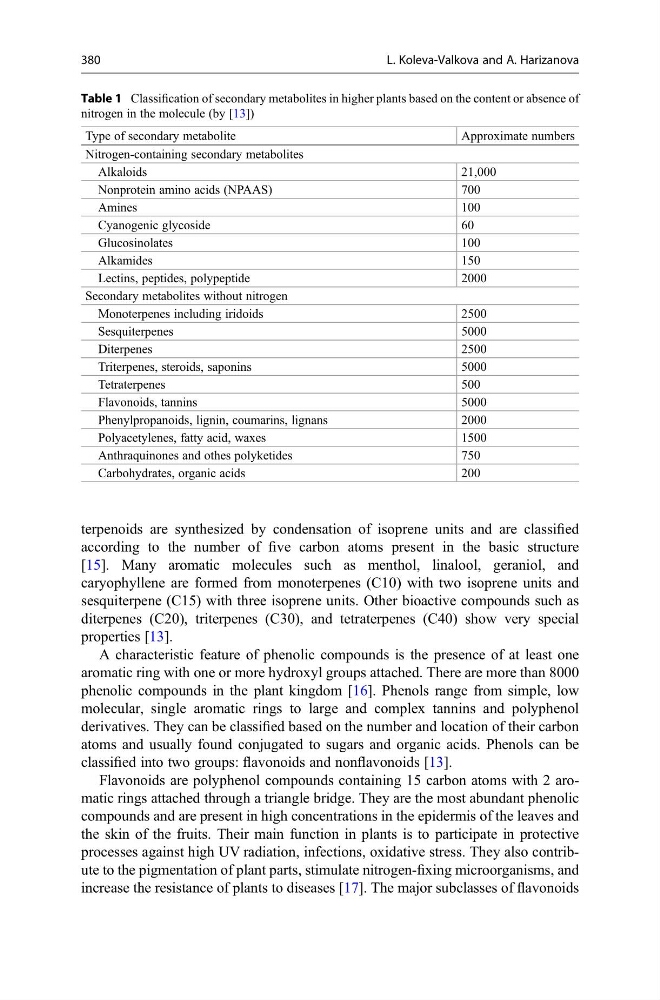
Table 1 Classification of secondary metabolites in higher plants based on the content or absence of
nitrogen in the molecule (by [13])
Type of secondary metabolite
Approximate numbers
Nitrogen-containing secondary metabolites
Alkaloids
21,000
Nonprotein amino acids (NPAAS)
700
Amines
100
Cyanogenic glycoside
60
Glucosinolates
100
Alkamides
150
Lectins, peptides, polypeptide
2000
Secondary metabolites without nitrogen
Monoterpenes including iridoids
2500
Sesquiterpenes
5000
Diterpenes
2500
Triterpenes, steroids, saponins
5000
Tetraterpenes
500
Flavonoids, tannins
5000
Phenylpropanoids, lignin, coumarins, lignans
2000
Polyacetylenes, fatty acid, waxes
1500
Anthraquinones and othes polyketides
750
Carbohydrates, organic acids
200
380
L. Koleva-Valkova and A. Harizanova
according to the number of five carbon atoms present in the basic structure
[15]. Many aromatic molecules such as menthol, linalool, geraniol, and
caryophyllene are formed from monoterpenes (C10) with two isoprene units and
sesquiterpene (C15) with three isoprene units. Other bioactive compounds such as
diterpenes (C20), triterpenes (C30), and tetraterpenes (C40) show very special
properties [13].
A characteristic feature of phenolic compounds is the presence of at least one
aromatic ring with one or more hydroxyl groups attached. There are more than 8000
phenolic compounds in the plant kingdom [16]. Phenols range from simple, low
molecular, single aromatic rings to large and complex tannins and polyphenol
derivatives. They can be classified based on the number and location of their carbon
atoms and usually found conjugated to sugars and organic acids. Phenols can be
classified into two groups: flavonoids and nonflavonoids [13].
Flavonoids are polyphenol compounds containing 15 carbon atoms with 2 aromatic rings attached through a triangle bridge. They are the most abundant phenolic
compounds and are present in high concentrations in the epidermis of the leaves and
the skin of the fruits. Their main function in plants is to participate in protective
processes against high UV radiation, infections, oxidative stress. They also contribute to the pigmentation of plant parts, stimulate nitrogen-fixing microorganisms, and
increase the resistance of plants to diseases [17]. The major subclasses of flavonoids
Table 1 Classification of secondary metabolites in higher plants based on the content or absence of
nitrogen in the molecule (by [13])
Type of secondary metabolite
Approximate numbers
Nitrogen-containing secondary metabolites
Alkaloids
21,000
Nonprotein amino acids (NPAAS)
700
Amines
100
Cyanogenic glycoside
60
Glucosinolates
100
Alkamides
150
Lectins, peptides, polypeptide
2000
Secondary metabolites without nitrogen
Monoterpenes including iridoids
2500
Sesquiterpenes
5000
Diterpenes
2500
Triterpenes, steroids, saponins
5000
Tetraterpenes
500
Flavonoids, tannins
5000
Phenylpropanoids, lignin, coumarins, lignans
2000
Polyacetylenes, fatty acid, waxes
1500
Anthraquinones and othes polyketides
750
Carbohydrates, organic acids
200
380
L. Koleva-Valkova and A. Harizanova