

the zeaxanthin is converted through antheraxanthin into violaxanthin and vice versa
[101]. It may be considered that this cycle occurs in the photobionts of lichens.
4.1.3 Shikimate Pathway
The shikimate pathway provides a route to aromatic compounds, particularly the
aromatic amino acids and their derivatives. The pathway is employed by microorganisms and plants but not by animals. A central intermediate in the pathway is
shikimic acid. The shikimate pathway begins with a coupling of phosphoenolpyruvate (from glycolysis) and D-erythrose 4-phosphate (from the pentose phosphate
cycle) by aldol-type reaction. Then by elimination of phosphate and another aldoltype reaction, a cyclic product 3-dehydroquinic acid is formed. Next step involves
dehydration and reduction of carbonyl function.
Phosphoenolpyruvate combines with shikimic acid 3-phosphate to an intermediate in which 1,2-elimination of phosphoric acid in side-chain and then
1,4-elimination of phosphoric acid leads to chorismic acid. The reaction transforming chorismic acid to prephenic acid is Claisen rearrangement which transfer
the side-chain so that it becomes directly bonded to the carbocycle. Next reaction
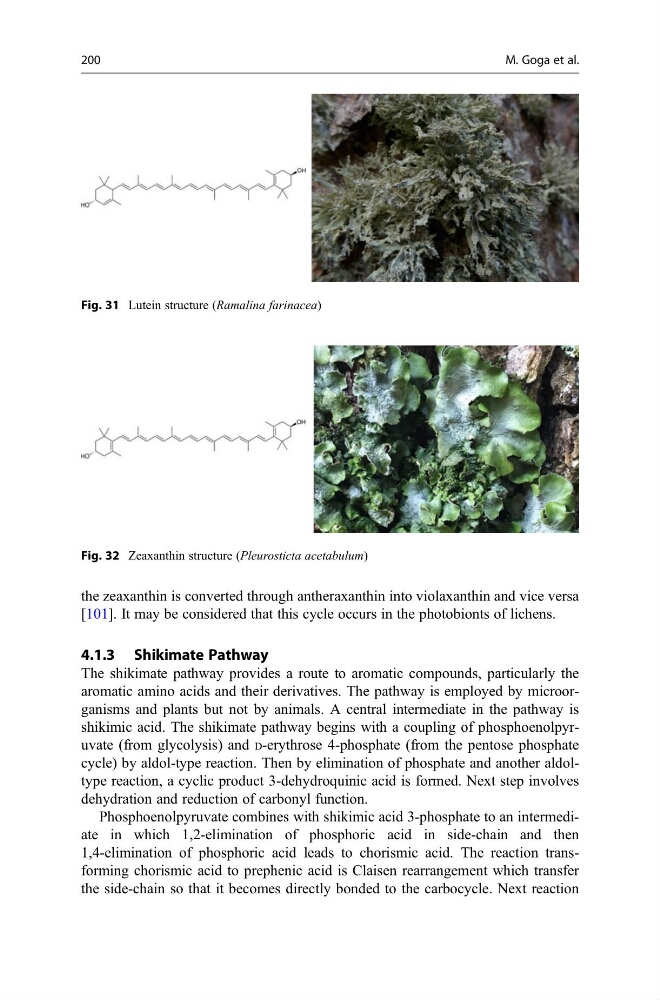
Fig. 31 Lutein structure (Ramalina farinacea)
Fig. 32 Zeaxanthin structure (Pleurosticta acetabulum)
200
M. Goga et al.
[101]. It may be considered that this cycle occurs in the photobionts of lichens.
4.1.3 Shikimate Pathway
The shikimate pathway provides a route to aromatic compounds, particularly the
aromatic amino acids and their derivatives. The pathway is employed by microorganisms and plants but not by animals. A central intermediate in the pathway is
shikimic acid. The shikimate pathway begins with a coupling of phosphoenolpyruvate (from glycolysis) and D-erythrose 4-phosphate (from the pentose phosphate
cycle) by aldol-type reaction. Then by elimination of phosphate and another aldoltype reaction, a cyclic product 3-dehydroquinic acid is formed. Next step involves
dehydration and reduction of carbonyl function.
Phosphoenolpyruvate combines with shikimic acid 3-phosphate to an intermediate in which 1,2-elimination of phosphoric acid in side-chain and then
1,4-elimination of phosphoric acid leads to chorismic acid. The reaction transforming chorismic acid to prephenic acid is Claisen rearrangement which transfer
the side-chain so that it becomes directly bonded to the carbocycle. Next reaction
Fig. 31 Lutein structure (Ramalina farinacea)
Fig. 32 Zeaxanthin structure (Pleurosticta acetabulum)
200
M. Goga et al.