

species carotenoids by column and thin-layer chromatography. Lichen encrustations
from Diploschistes scruposus showed characteristic vibrational spectra using Raman
spectroscopy [99]. Nowadays it is a frequent practice to measure total carotenoids
spectrophotometrically and using high-performance liquid chromatography (HPLC)
techniques which facilitated the separation and identification of plastid pigments.
Lutein
Lutein (Fig. 31) mainly occurs in higher plants but was also found in lichens and
algae growing near to shaded habitats, because at sunny sites it is replaced by lutein
epoxide. The growth of lichens in poorly lit places is possible due to the mechanism
called chromatic adaptation by an increasing of photosynthetically active
pigments [100].
Zeaxanthin
The presence of this carotenoid (Fig. 32) together with violaxanthin in plants is
influenced by intensity of light in xanthophyll cycle. In case that insolation is
intensive, the accumulation of zeaxanthin occurs. When light intensity decreases,
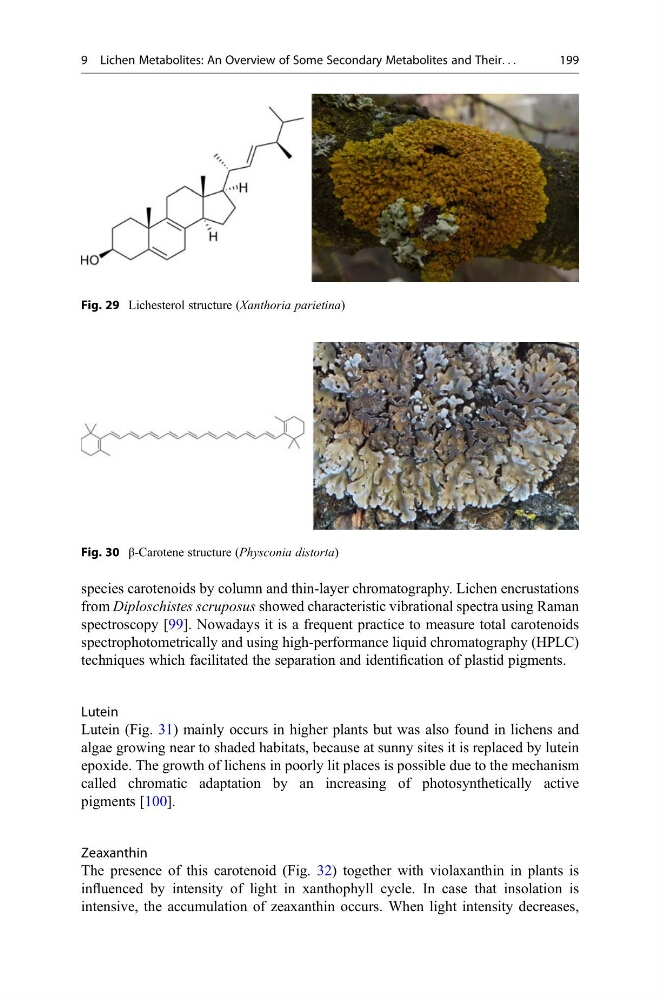
Fig. 29 Lichesterol structure (Xanthoria parietina)
Fig. 30 β-Carotene structure (Physconia distorta)
9 Lichen Metabolites: An Overview of Some Secondary Metabolites and Their. . .
199
from Diploschistes scruposus showed characteristic vibrational spectra using Raman
spectroscopy [99]. Nowadays it is a frequent practice to measure total carotenoids
spectrophotometrically and using high-performance liquid chromatography (HPLC)
techniques which facilitated the separation and identification of plastid pigments.
Lutein
Lutein (Fig. 31) mainly occurs in higher plants but was also found in lichens and
algae growing near to shaded habitats, because at sunny sites it is replaced by lutein
epoxide. The growth of lichens in poorly lit places is possible due to the mechanism
called chromatic adaptation by an increasing of photosynthetically active
pigments [100].
Zeaxanthin
The presence of this carotenoid (Fig. 32) together with violaxanthin in plants is
influenced by intensity of light in xanthophyll cycle. In case that insolation is
intensive, the accumulation of zeaxanthin occurs. When light intensity decreases,
Fig. 29 Lichesterol structure (Xanthoria parietina)
Fig. 30 β-Carotene structure (Physconia distorta)
9 Lichen Metabolites: An Overview of Some Secondary Metabolites and Their. . .
199