

lecanoric acid and its orsellinate derivates against cancer cell lines (HEP-2, MCF-7,
786-0, and murine melanoma cell) and structural modifications increased activity.
Promising antioxidant activity of lecanoric acid in SOR (superoxide radical) was
demonstrated [43]. This compound showed relatively strong antimicrobial effects
against 6 bacteria and 10 fungi containing human, animal, and plant pathogens,
mycotoxin producers, as well as food-spoilage organisms [44, 45]. Lecanoric acid
was also reported as a potent fungitoxic compound, which was tested against fungus
Cladosporium sphaerospermum [46].
Gyrophoric Acid
Gyrophoric acid demonstrated antioxidant, antibacterial, cytotoxic, and antitumor
activities (Fig. 8). This lichen compound is a common metabolite in Umbilicaria
lichen species. Antioxidant activity of lichen members in family Umbilicariaceae
was demonstrated [47]. Antibacterial activity of gyrophoric acid was showed against
some foodborne bacteria and fungi [48]. Gyrophoric acid was highly effective
against cancer cell lines (HL-60, A2780, Jurkat), where cytotoxicity and
pro-apoptosis activity were confirmed [49].
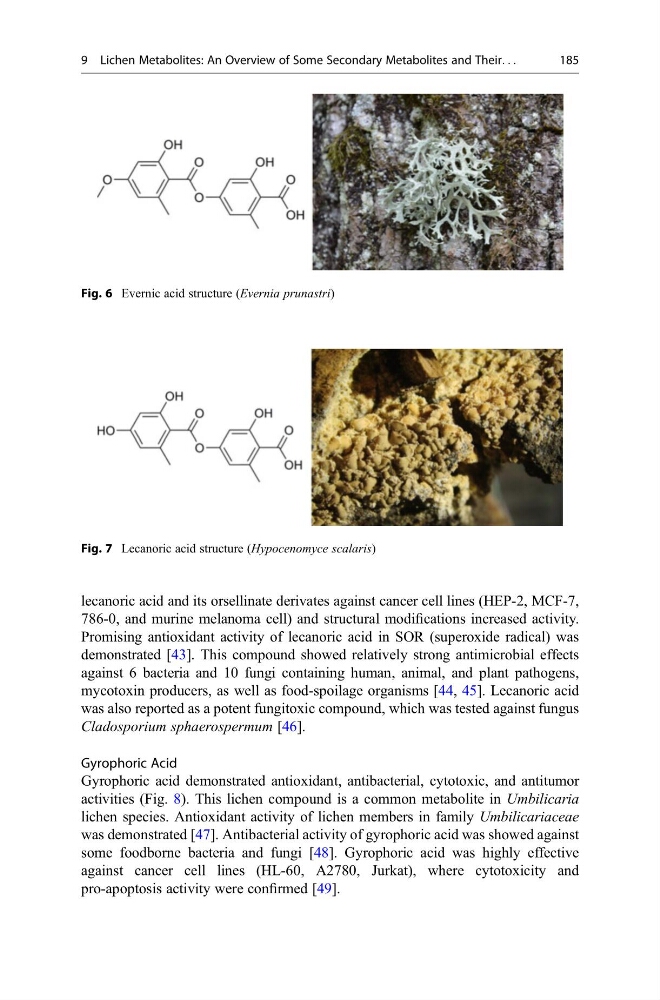
Fig. 7 Lecanoric acid structure (Hypocenomyce scalaris)
Fig. 6 Evernic acid structure (Evernia prunastri)
9 Lichen Metabolites: An Overview of Some Secondary Metabolites and Their. . .
185
786-0, and murine melanoma cell) and structural modifications increased activity.
Promising antioxidant activity of lecanoric acid in SOR (superoxide radical) was
demonstrated [43]. This compound showed relatively strong antimicrobial effects
against 6 bacteria and 10 fungi containing human, animal, and plant pathogens,
mycotoxin producers, as well as food-spoilage organisms [44, 45]. Lecanoric acid
was also reported as a potent fungitoxic compound, which was tested against fungus
Cladosporium sphaerospermum [46].
Gyrophoric Acid
Gyrophoric acid demonstrated antioxidant, antibacterial, cytotoxic, and antitumor
activities (Fig. 8). This lichen compound is a common metabolite in Umbilicaria
lichen species. Antioxidant activity of lichen members in family Umbilicariaceae
was demonstrated [47]. Antibacterial activity of gyrophoric acid was showed against
some foodborne bacteria and fungi [48]. Gyrophoric acid was highly effective
against cancer cell lines (HL-60, A2780, Jurkat), where cytotoxicity and
pro-apoptosis activity were confirmed [49].
Fig. 7 Lecanoric acid structure (Hypocenomyce scalaris)
Fig. 6 Evernic acid structure (Evernia prunastri)
9 Lichen Metabolites: An Overview of Some Secondary Metabolites and Their. . .
185