

694
complexes produce higher molecular weight polyethylene compared to that of the
Co-based systems. Longer polymerization times and use of methylaluminoxane in
low concentrations produced monomodal, narrow dispersity, and really high molecular weight polyethylene. The copolymerization of ethylene and propylene is sluggish in Fe-PBI-based systems. During homopolymerization of polypropylene, the
regioregularity of polymer decreases with the decrease in steric bulk of ligands in
the catalyst. These are the first reports on isotactic polypropylene synthesis via
2,1-insertion using late metal systems [40]. The PBI catalysts synthesized using
small-size ligands, preferably possessing a single ortho-substituent on the imine
aryl group, are known to produce high-quality polymers in absence of chain walking. The PBI oligomerization catalysts also exhibit high turnover frequencies
(100,000 kg/g of Fe/h) [41]. Advantageously, these oligomerizations can be carried
out over a large range of temperature and pressure and at a lower pressure compared
to the previously utilized 11–200 atm. Use of similar tridentate ligands in Ru system
exhibited low activity. For example, the complex based on pyridylbis (oxazoline)
pyridine (pybox) and Ru produced 0.28–2.14 kg of polyethylene/mol of Ru/h at
25–60 °C and 6–12 atm [42]. This low activity was attributed to limited participation of Ru in the polymerization process.
N
R 1
N
R 1
N
R
R
R
R
M
X X
O
N
N
N
H
N
N
N
N
N
NMe 2
NMe 2
Si N
Si
PPh 2
PPh 2
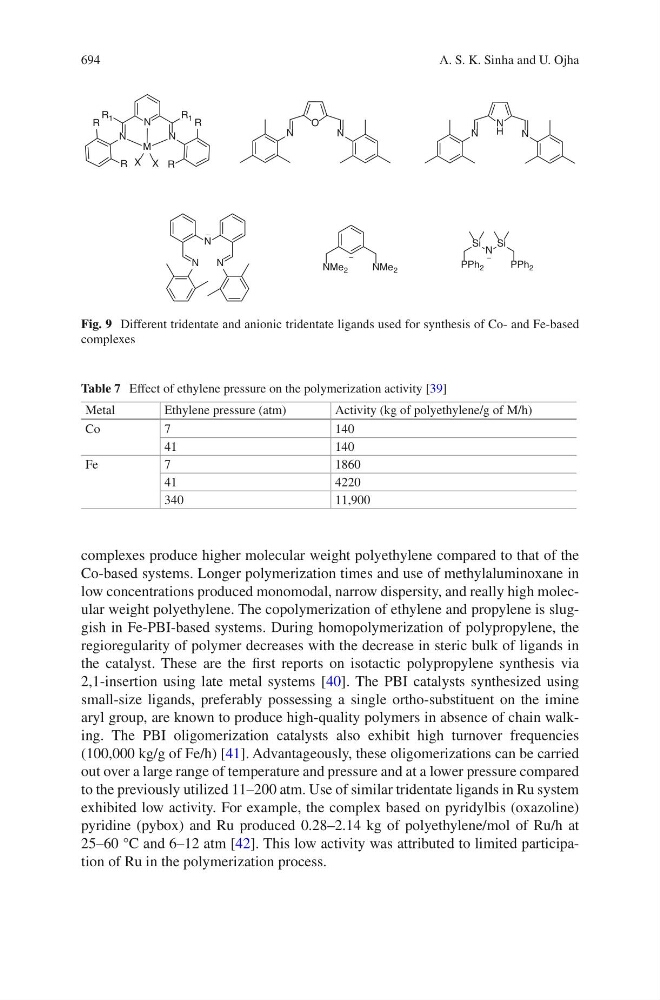
Fig. 9 Different tridentate and anionic tridentate ligands used for synthesis of Co- and Fe-based
complexes
Table 7 Effect of ethylene pressure on the polymerization activity [39]
Metal
Ethylene pressure (atm)
Activity (kg of polyethylene/g of M/h)
Co
7
140
41
140
Fe
7
1860
41
4220
340
11,900
A. S. K. Sinha and U. Ojha