

132
Dehydrogenation of Ethylbenzene Under Adiabatic Conditions
Styrene is commercially produced by the catalytic dehydrogenation of ethylbenzene under adiabatic conditions. Globally, 75% of the styrene plants operate using
this process. IG Farbe first discovered and developed this process in 1931. The
technology for this process was further modified, and commercialization of the
improved technology was done by an American styrene-producing company,
ABBLummus/UOP under the name of Classic SM™ process. The catalyst for this
reaction is the iron oxide promoted with potassium wherein the potassium-ferrite
phase, KFeO 2 , is reported to be the active phase for the ethylbenzene dehydrogenation [147, 148]. The average life of the catalyst is approximately 1–2 years [149].
Formation of coke takes place by the polymerization of the product styrene, which
is promoted by the presence of Brönsted basic sites during the course of the reaction, which subsequently decomposes to graphite-like structures via dehydrogenation on the catalyst surface [150]. The catalyst is regenerated in the presence of
steam wherein the gasification process of carbonaceous deposits is reported to take
place in the presence of potassium. Carbon deposited on the catalyst surface forms
carbon monoxide (CO) and carbon dioxide (CO 2 ) in the presence of steam
(C + H 2 O → CO + H 2 followed by CO + H 2 O → CO 2 + H 2 ).
The flow scheme of a typical adiabatic EB dehydrogenation plant as used by,
e.g., ABB Lummus/UOP is shown in Fig. 11 and contains the following process
steps and units [151]: (1) a superheater up to a maximum temperature of ≈993 K for
the generation of steam to achieve a temperature of 913 K required for the reaction.
(2) Two adiabatic, fixed-bed, radial flow reactors, which comprise the dehydrogenation unit, and the outlet stream of the first reactor is reheated before passing through
the second reactor as there is a drop in the process temperature under adiabatic reaction conditions. Steam is also used for dilution of the vaporized feed, which is a
mixture of fresh ethylbenzene in combination with the recycled ethylbenzene from
the distillation tower. The optimum styrene yield is achieved at the minimum cost of
the utility by adjusting the feed ratio of steam to ethylbenzene. With this, the conversion of ethylbenzene in the first reactor is about 35 and 65% overall.
As low pressures favor the reaction, the reactors are operated under a vacuum of
0.5–0.8 atm. (3) An efficient heat recovery system is used to recover the heat from
the reactor effluent to minimize the energy consumption. (4) The effluent from the
reactor is condensed and (5) separated into vent (off) gas and (6) a stream of steam
condensate. The off-gas stream (5) consisting mainly of hydrogen and carbon dioxide is used as fuel for generation of steam in the superheater or as a feed stream for
generation of chemical hydrogen after compression and recovery of the aromatics
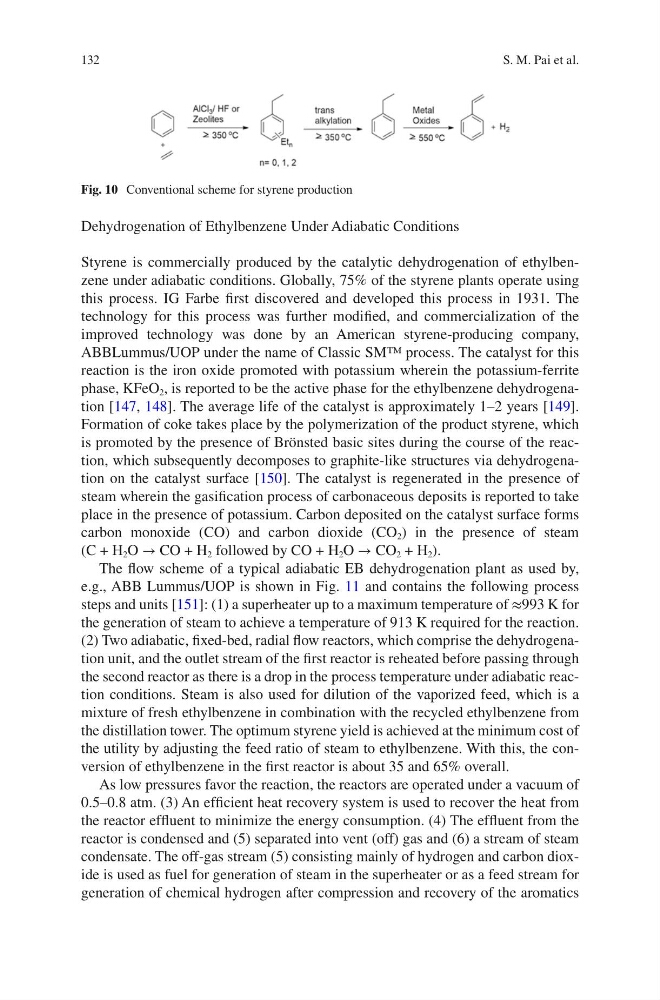
Fig. 10 Conventional scheme for styrene production
S. M. Pai et al.
Dehydrogenation of Ethylbenzene Under Adiabatic Conditions
Styrene is commercially produced by the catalytic dehydrogenation of ethylbenzene under adiabatic conditions. Globally, 75% of the styrene plants operate using
this process. IG Farbe first discovered and developed this process in 1931. The
technology for this process was further modified, and commercialization of the
improved technology was done by an American styrene-producing company,
ABBLummus/UOP under the name of Classic SM™ process. The catalyst for this
reaction is the iron oxide promoted with potassium wherein the potassium-ferrite
phase, KFeO 2 , is reported to be the active phase for the ethylbenzene dehydrogenation [147, 148]. The average life of the catalyst is approximately 1–2 years [149].
Formation of coke takes place by the polymerization of the product styrene, which
is promoted by the presence of Brönsted basic sites during the course of the reaction, which subsequently decomposes to graphite-like structures via dehydrogenation on the catalyst surface [150]. The catalyst is regenerated in the presence of
steam wherein the gasification process of carbonaceous deposits is reported to take
place in the presence of potassium. Carbon deposited on the catalyst surface forms
carbon monoxide (CO) and carbon dioxide (CO 2 ) in the presence of steam
(C + H 2 O → CO + H 2 followed by CO + H 2 O → CO 2 + H 2 ).
The flow scheme of a typical adiabatic EB dehydrogenation plant as used by,
e.g., ABB Lummus/UOP is shown in Fig. 11 and contains the following process
steps and units [151]: (1) a superheater up to a maximum temperature of ≈993 K for
the generation of steam to achieve a temperature of 913 K required for the reaction.
(2) Two adiabatic, fixed-bed, radial flow reactors, which comprise the dehydrogenation unit, and the outlet stream of the first reactor is reheated before passing through
the second reactor as there is a drop in the process temperature under adiabatic reaction conditions. Steam is also used for dilution of the vaporized feed, which is a
mixture of fresh ethylbenzene in combination with the recycled ethylbenzene from
the distillation tower. The optimum styrene yield is achieved at the minimum cost of
the utility by adjusting the feed ratio of steam to ethylbenzene. With this, the conversion of ethylbenzene in the first reactor is about 35 and 65% overall.
As low pressures favor the reaction, the reactors are operated under a vacuum of
0.5–0.8 atm. (3) An efficient heat recovery system is used to recover the heat from
the reactor effluent to minimize the energy consumption. (4) The effluent from the
reactor is condensed and (5) separated into vent (off) gas and (6) a stream of steam
condensate. The off-gas stream (5) consisting mainly of hydrogen and carbon dioxide is used as fuel for generation of steam in the superheater or as a feed stream for
generation of chemical hydrogen after compression and recovery of the aromatics
Fig. 10 Conventional scheme for styrene production
S. M. Pai et al.